Tag Archives: view sites

Exploration

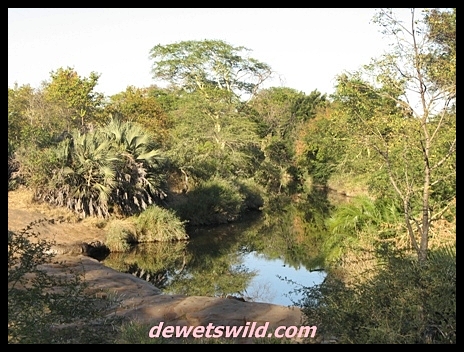
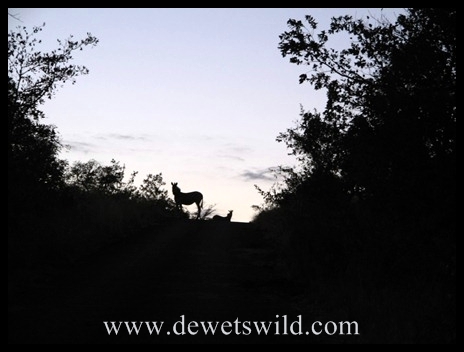
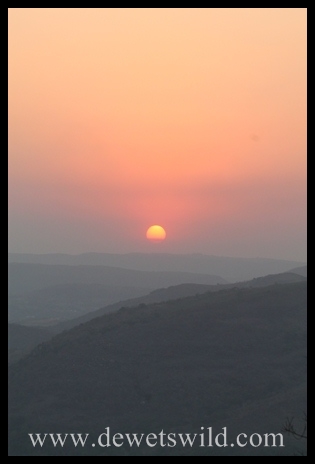
We arrived at Ithala Game Reserve this morning, and will be exploring the area along winding routes like this one for the next four days (you can click on the image for a clearer view):

We’re participating in the online adventure travel magazine LetsBeWild.com‘s Wild Weekly Photo Challenge for bloggers. This week’s challenge is “Exploration“.

Marakele National Park

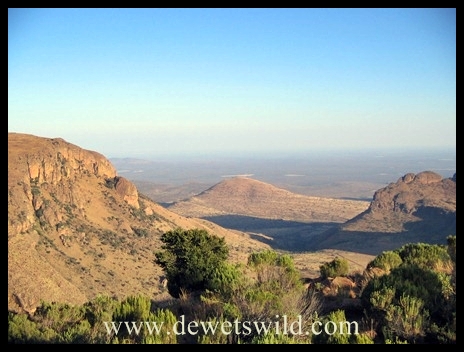
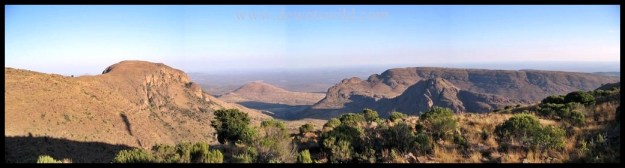
The aptly named Marakele National Park is most certainly a “place of sanctuary” to much of South Africa’s indigenous wildlife, as the translation of the Tswana name suggests.

Located in the Waterberg mountain range in the Limpopo Province, there are two main reasons for the park’s extraordinary diversity of plant and animal life. Firstly, it is located in the transition zone between the country’s drier western and wetter eastern climatic zones. Secondly, it has an impressive altitudinal range between 980 and 2100m above sea level. Thus the park has a rich variety of habitats housing a wide variety of fauna and flora – many of which is endangered or unique to the area, and as a result it forms a core area of the Waterberg Biosphere Reserve.

The Waterberg cycad (Encephalartos eugene-maraisii) is one example of a rare plant species finding sanctuary here at Marakele. This plant was named in honour of naturalist, author and poet Eugene Marais who spent much of his life here in the Waterberg, his work inspired by the beautiful landscapes, fascinating wildlife and warm people of the region.

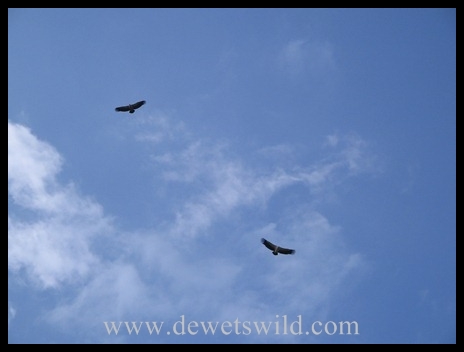
Marakele may be home to Africa’s Big Five, but pride of place certainly goes to the population of Cape Griffon vultures that have made their home among the towering cliffs – at 800 breeding pairs it is one of the biggest colonies of these endangered birds left on the planet.

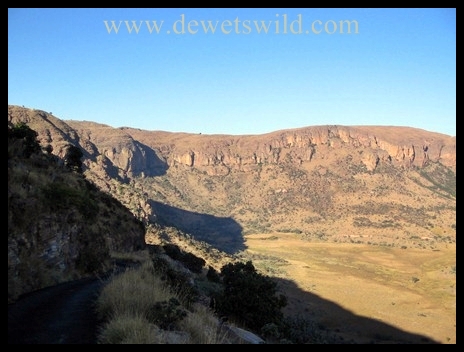
The best place to see the vultures are from the Lenong viewpoint located high on a cliff edge, where they soar by in breath-taking proximity. The very narrow road leading up to the viewpoint may be one of the steepest and most hair-raising drives in South Africa, but the spectacular views from the top is a sight to behold and treasure.


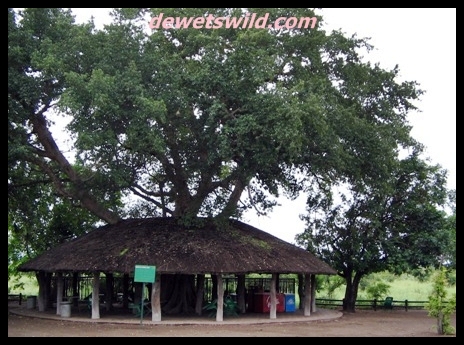
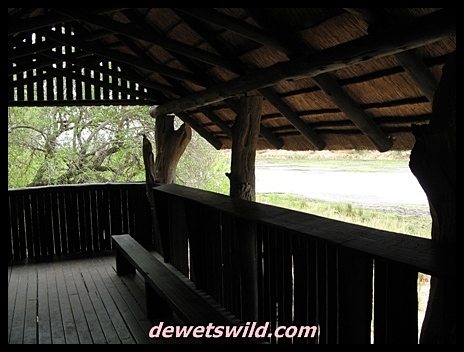
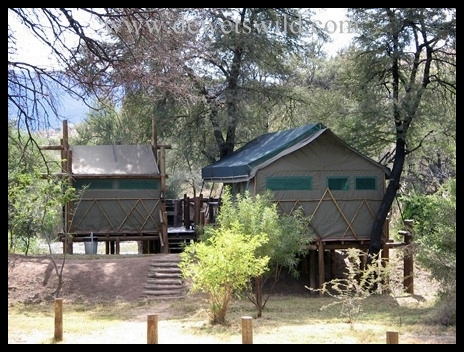
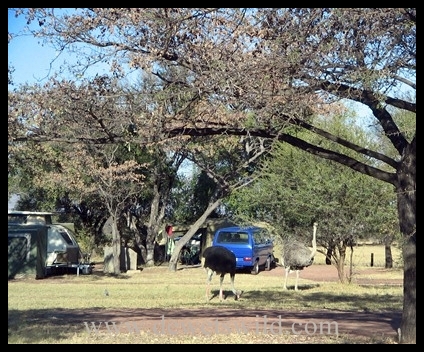
The Park was originally proclaimed in 1986 (then named Kransberg after a prominent peak in the Waterberg range) and has been continuously expanded to its current size of almost 650km². Accommodation is available at Tlopi Tented Camp while the Bontle Camping Area provides decent facilities for caravanners and campers. Guided activities are on offer, and other facilities include a hide next to a waterhole that provides excellent opportunities to photograph birds and game, and two rustic picnic spots.

Visit Marakele National Park and you will soon realise that humans too can find sanctuary from the humdrum of everyday life here.

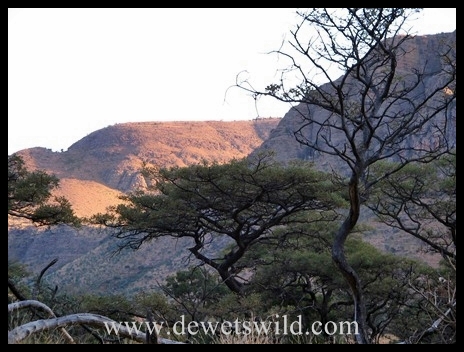
Sunset over Marakele National Park

Mapungubwe National Park


In the far north-west corner of South Africa’s Limpopo Province, on the border with Botswana and Zimbabwe, is a national park that protects not only a rich and diverse natural landscape, but also a fascinating cultural heritage.

Mapungubwe National Park was officially proclaimed only in 1995 (originally called Vhembe-Dongola National Park) and was conferred World Heritage Site status in 2003, but the area’s rich history dates back much further than that. Atop the inconspicuous Mapungubwe Hill, archaeologists have uncovered evidence of a thriving and advanced African civilisation, dating back to between 900 and 1250AD, trading with countries as far away as Egypt, India and China. This rich cultural heritage is today showcased in an award-winning interpretive centre and guided tours are presented to the archaeological site on and around Mapungubwe Hill.

The Park however has much more to offer nature enthusiasts though. The Park is home to large predators like lion, leopard and spotted hyena, a large number of elephants, many antelope species, zebra and giraffe, a huge variety of birds, reptiles and invertebrates, and interesting plant life – not least of which is the impressive baobabs.

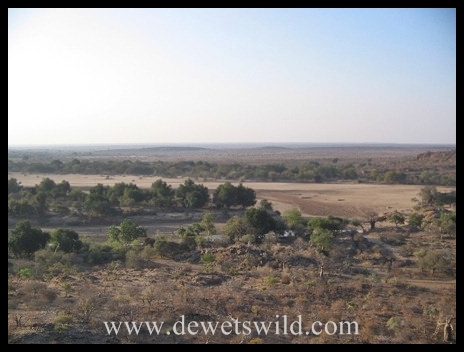
From a cliff-top viewpoint there are magnificent views over the confluence of the Limpopo and Shashe rivers where South Africa, Botswana and Zimbabwe meets, with a well laid-out picnic site nearby.

2056 Confluence uitkyk

In the same general vicinity a unique raised walkway – high enough for elephants to walk underneath with ease and almost a kilometre in length – leads through the riverine vegetation on the banks of the Limpopo. Here the fever trees, with their yellow trunks, are particularly beautiful – a notice board at the start of the trail calls into memory a quote from one of Rudyard Kipling’s’ Just So Stories, The Elephant’s Child: “…till at last he came to the banks of the great grey-green, greasy Limpopo River, all set about with fever-trees…”.

The Maloutswa Hide, in the western section of the Park, is another highlight not to be missed. Here, in a shaded, spacious wooden building overlooking a large pan one can easily while away hours watching the animals and birds come and go to slake their thirst at the water’s edge.

SANParks offer overnight accommodation in four camps (Leokwe Rest Camp, Limpopo Forest Tented Camp, Tshugulu Lodge and Vhembe Wilderness Camp) and camping at the Mazhou Campsite, and a variety of guided activities are also on offer.

Today grand plans are being implemented to establish a unified trans frontier conservation area centred on Mapungubwe by incorporating state and private land from the three neighbouring countries – a praise-worthy initiative well worth supporting.

Peaceful

This tranquil sunrise scene was photographed near Skukuza in the Kruger National Park, ironically at a location called Lake Panic due to the large number of crocodiles and other predators and other dangerous animals that lurk in the vicinity. To us, there is no place where we feel more at peace than in the Kruger Park.

Peaceful

We’re participating in the online adventure travel magazine LetsBeWild.com‘s Wild Weekly Photo Challenge for bloggers. This week’s challenge was “Peaceful” and we’re very happy to have been awarded another honorable mention for our entry!

Honorable Mention

Green

A collection of images depicting the splendour of the natural vegetation found in South Africa’s wild places.

(click on an image to view the picture carousel):

Karoo National Park


Wide open spaces in an ancient thirst land

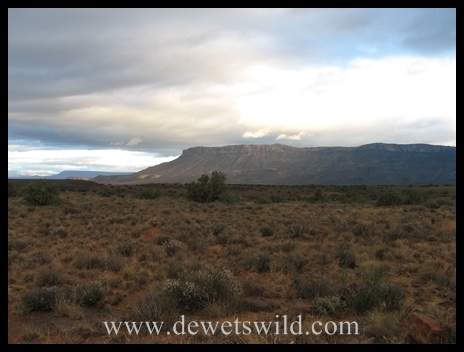
In South Africa’s Western Cape Province, near the historic town of Beaufort-West, lies the Karoo National Park: 88,113 hectares of semi-desert plains and towering mountains.

Inside the Park, altitudes vary between 840 meters above sea level in the valleys to over 1900 meters on top of the Nuweveld Mountains, the average annual rainfall is only 236mm and temperatures can range between -5°C on winter nights to 41°C on summer days.

The wide range of habitats in the park, from scrub- and grasslands to dense riverine thickets, provide a safe haven to 202 bird species, 59 kinds of mammals (including lion, buffalo and black rhinoceros), 66 types of reptiles and, surprisingly for such an arid region, 8 species of frog.

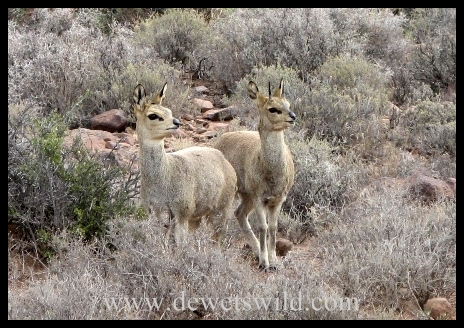
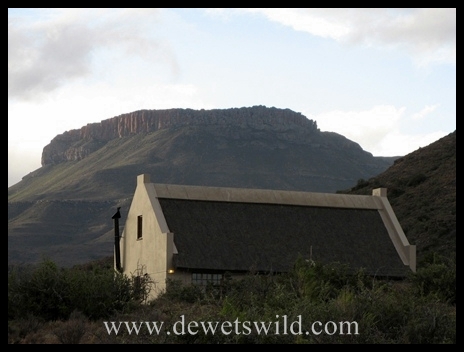
Accommodation and camping is available at the award-winning rest camp, opened in 1989, complete with a well-stocked little shop, restaurant and meeting venue. Visitors can enjoy bird-watching from a hide near the camp, guided walks, two beautiful picnic areas, an interesting information centre in an old barn, a swimming pool, and 4×4 trails. Guided and self-drive game viewing is possible along a well-maintained network of scenic roads, the routes having been given delightful names such as Klipspringer Pass, Potlekkertjie Loop and Lammertjies Leegte.

The Karoo is rich in fossils dating back as far as 255 million years ago, and visitors can explore this fascinating aspect of the park along the fossil trail (a 300m paved walkway) in the camp.

The Karoo National Park is easily accessible, lying as it is along South Africa’s main North-South highway (N1) and is often used as a stop-over by weary travellers. It is however a fascinating and rewarding destination in its own right, worthy of more than just a passing glance.

Tsitsikamma

Fairy tale forests and rugged rocky shores

Tsitsikamma was South Africa’s first coastal national park, and has recently been incorporated into the newly proclaimed Garden Route National Park which spans the borders of the Eastern and Western Cape Provinces.

The Garden Route is one of South Africa’s best known tourist attractions, and the Tsitsikamma is a very popular destination, especially in summer. Accommodation and camping is provided by the South African National Parks at Nature’s Valley and Storms River Mouth – the former in a beautiful forest setting near the Groot River estuary and the latter right on the rocky shores of the Indian Ocean.

Hiking is a popular pastime in the Tsitsikamma, and at Storms River Mouth there’s a variety of trails to suit most tastes and fitness levels. The most popular of these lead to a suspension bridge, 77 meters long, across the Storms River just before it empties into the sea.

The wide range of habitats provides refuge to a rich diversity of plants, small animals and birds and the scenery is extraordinarily spectacular.

Many visitors spend weeks at a time here in the Tsitsikamma, and once you’ve experienced it for yourself it is easy to understand why.

Hluhluwe-Imfolozi Park, August 2012

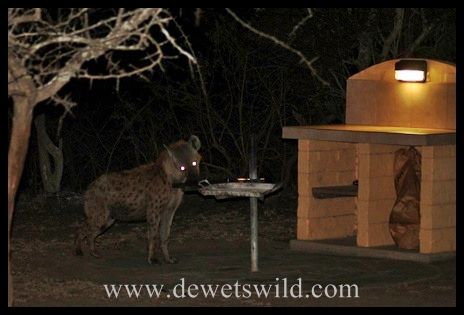
“I don’t think we’re going to braai* tonight, that hyena just licked the grid clean”

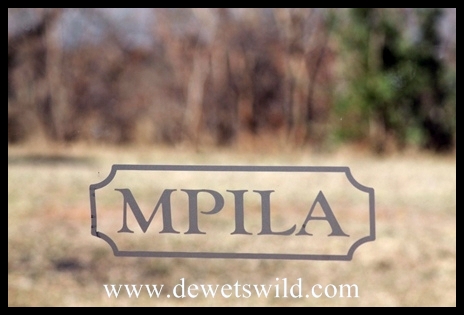
The sun has just set over Mpila Rest Camp on the first night of our latest visit, and we are relaxing in our accommodation when we notice the movement outside – a spotted hyena sniffing around looking for an easy snack. That’s exactly the kind of reason why we return to South Africa’s oldest game reserve so often – it is true wilderness. Mpila is unfenced – there’s a single strand of electrical wire around the camp to keep the elephants out – and that scuffling sound you’ve heard behind you in the dark could have been anything from a sounder of bush pigs or a group of grumpy old buffalo bulls to a patrolling hyena or a lurking lioness. Maybe it was just your imagination, but better move a little closer to the door just in case…

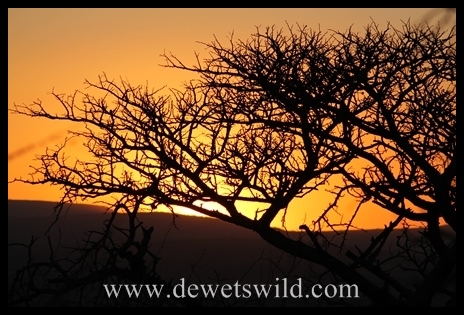
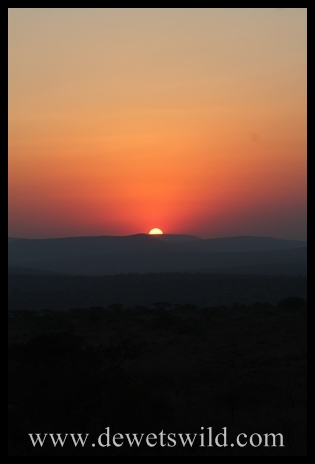
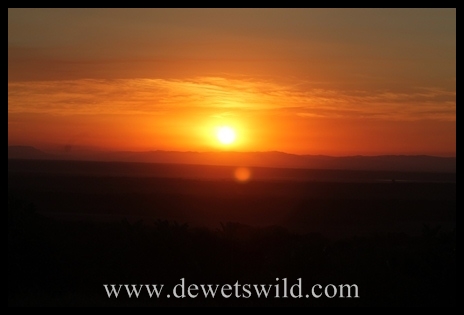
Scenically, Hluhluwe-Imfolozi doesn’t have to stand back for any of Africa’s other great reserves, and its rolling hills and clear skies make for spectacular sunrises and sunsets.

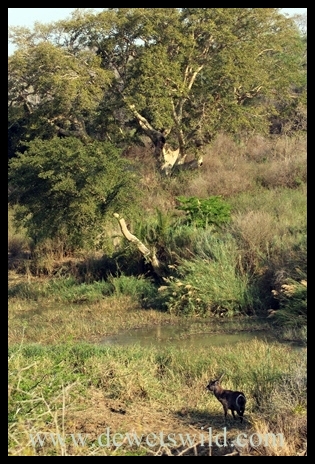
Of course the wildlife is Hluhluwe-Imfolozi’s main attraction, and, like with every visit before, were not disappointed with our sightings.

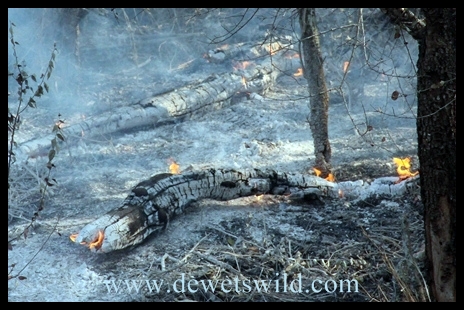
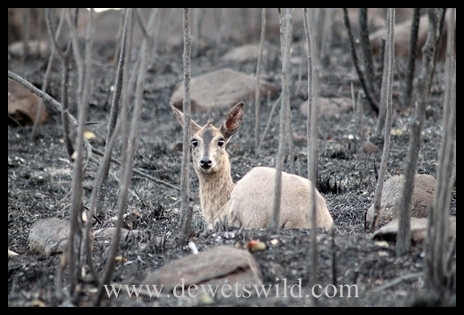
Unfortunately a runaway fire ravaged a huge area of the park just a day prior to our visit. By the time we departed five nights later, tree trunks were still smouldering and strong winds caused the flames to flare up frequently.

The Hluhluwe and Umfolozi Game Reserves in northern Kwazulu-Natal were formally proclaimed in 1895, and long before then this area was the exclusive hunting preserve of the Zulu royals. The Park has two medium-sized rest camps: Hilltop, forested and modern, in the northern Hluhluwe section, and our favourite Mpila, in the southern Imfolozi section. There’s also a number of exclusive small bush lodges throughout the Park. Good game viewing roads, a number of photographic hides and picnic spots and scenic viewpoints make for an ideal self-guided safari experience, though guided drives, walks and wilderness trails are available as well.

It is always with heavy hearts that we drive away from Hluhluwe-Imfolozi Park – it’s one of those places that you miss the moment you leave.

* A “braai” is the traditional South African equivalent of a barbeque

Cape Vidal and the Eastern Shores of Lake Saint Lucia (August 2012)


A testament to the resilience of nature!


During August 2012, we had the pleasure of returning to one of our favourite nature destinations: Cape Vidal, situated in the iSimangaliso Wetland Park on the northern coastline of South Africa.

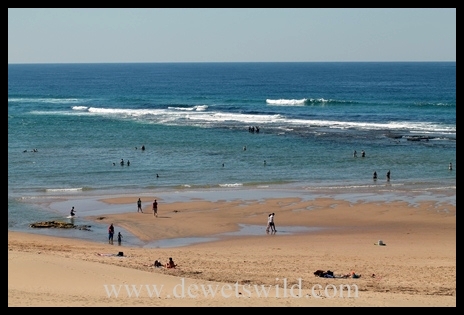
Cape Vidal is a popular beach resort, and not without reason. The unspoilt beach stretches as far as the eye can see and the warm blue waters of the Indian Ocean provide endless opportunity for swimming, snorkelling, fishing etc.

The beach at Cape Vidal

The beach at Cape Vidal

We frequently visit the area and it was an immense pleasure to see how quickly nature is claiming back its rightful place following the removal of the exotic and thirsty pine plantations which, not so long ago, covered huge tracts of land here on the eastern shores of Lake Saint Lucia. Large wetlands have re-appeared and now play host to big flocks of waterfowl, pods of hippopotamus and numerous crocodiles.

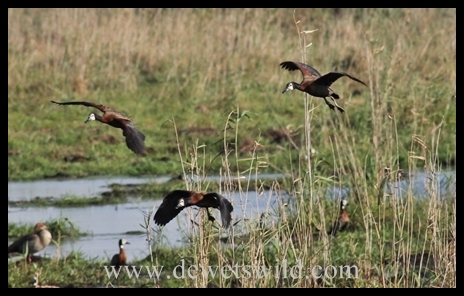
Whistling Ducks

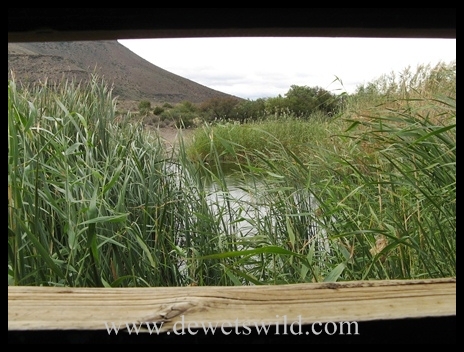
We were also delighted to experience many of the new amenities that the Park authorities have built for visitor’s enjoyment. At Catalina Bay a viewing platform overlooking Lake Saint Lucia is the perfect spot for sundowners and one can easily spend hours at the new photographic hide overlooking the Mfazana Pan.

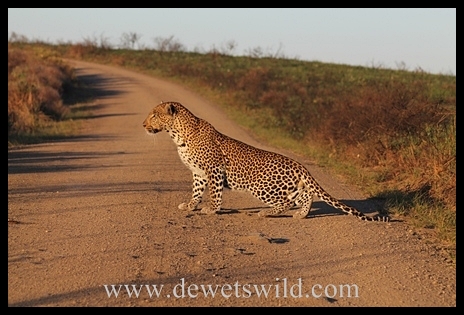
We had excellent leopard sightings during our three day visit, seeing no less than five different individuals. The best by far was of a beautiful male ambushing four warthogs in the early morning as they bolted from the hole in which they spent the night before, only to have the tables turned on him and being chased back into the forest by the bold hogs.

We were amazed to find a colony of fruit bats hanging above the parking spot at our chalet accommodation – normally the daytime roosts of these creatures are very difficult to spot.

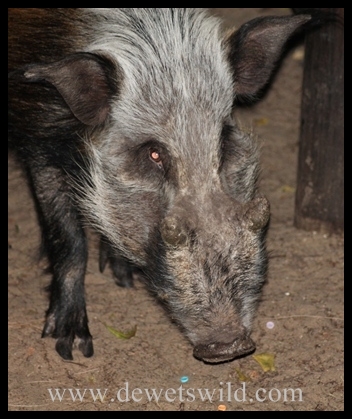
A pair of bushpigs also paid us a visit one evening as we were enjoying dinner outside.

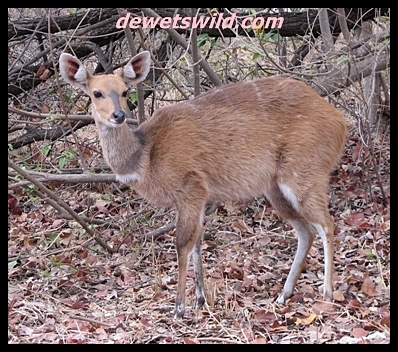
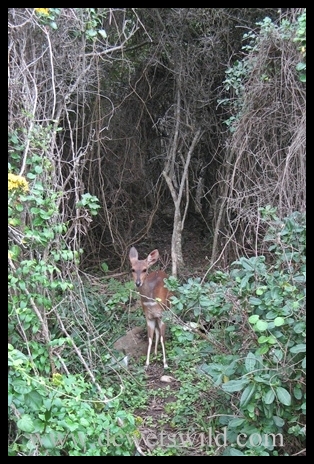
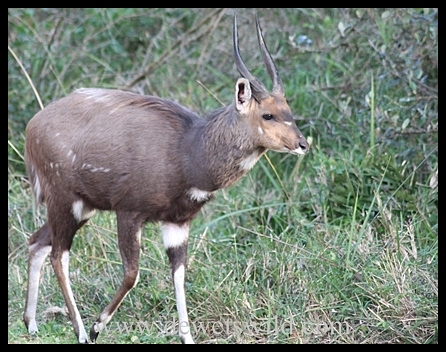
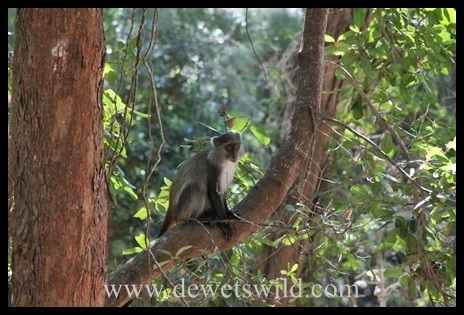
Bushbuck and samango monkeys are frequently seen both in the camp and while driving around, and reedbuck occur in large numbers in the swamps and reed beds that surround the lake and pans.

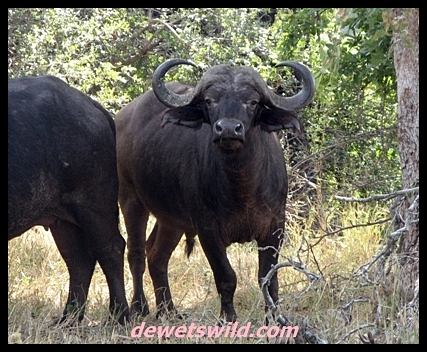
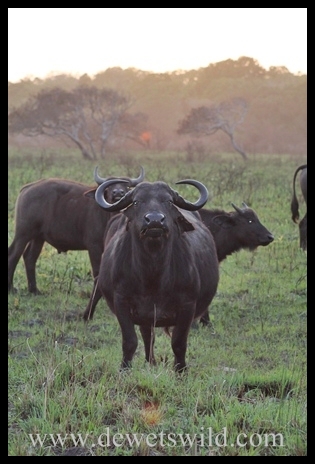
There are a number of large buffalo herds in the area and they are not always happy to have humans in vehicles interrupt their grazing.

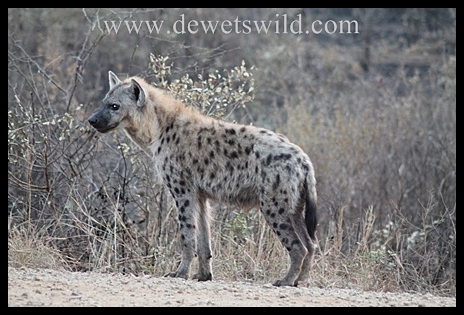
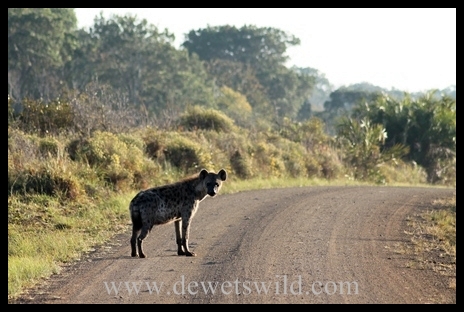
A real surprise find was the female spotted hyena we encountered on a gravel loop road early one morning – we followed her for several kilometres and watched as she attacked, without success, a small group of reedbuck before disappearing from sight.

iSimangaliso means “miracle and wonder” and it is one of South Africa’s most diverse nature reserves. Cape Vidal is an excellent base from which to explore a most beautiful part of it and there’s no doubting that we’ll return as often as we possibly can.

Shingwedzi, Kruger National Park

Heaven could definitely be a place on earth. It is called Shingwedzi.

Shingwedzi

Shingwedzi is our favourite rest camp in the Kruger National Park. Located in the far north of the Park, on the bank of the Shingwedzi river, it’s as far away from the hustle and bustle of the city as you could hope to get.

Shingwedzi Sunrise

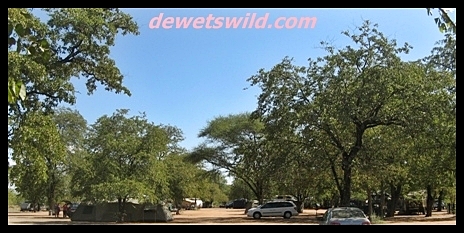
Shingwedzi feels genuinely untouched by the passing of time. The exteriors of the huts built when the camp first opened in the 1930’s have remained largely unchanged, though the interiors have been modernized over the years, and the camping area is very, very spacious. Over the years additional accommodation units and facilities have been provided and these days the camp has a restaurant with a thatched veranda overlooking the river,  a medium-sized shop stocked with curios and basic commodities and a filling station, while the swimming pool offers welcome respite from the heat of Shingwedzi’s tropical summers. None of the additions however has detracted from Shingwedzi’s old-world charm.
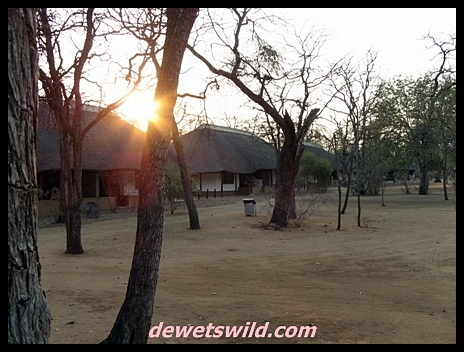
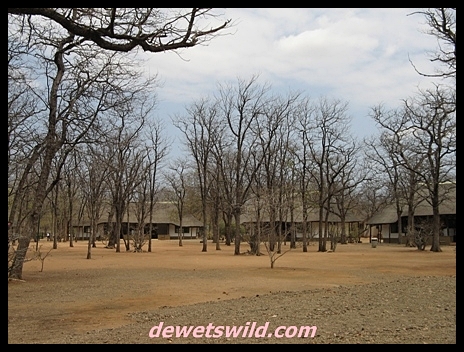
Shingwedzi bungalows

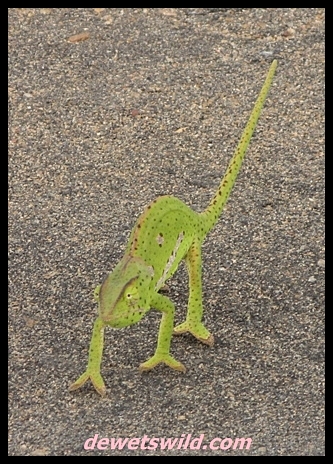
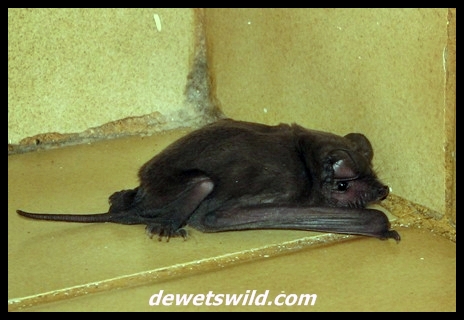
Inside the camp, small animals and birds abound and have become quite accustomed to having people in close proximity, providing excellent photographic opportunities.
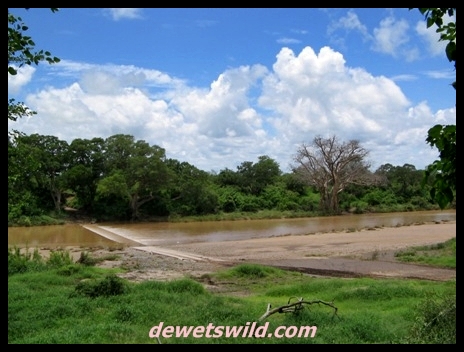
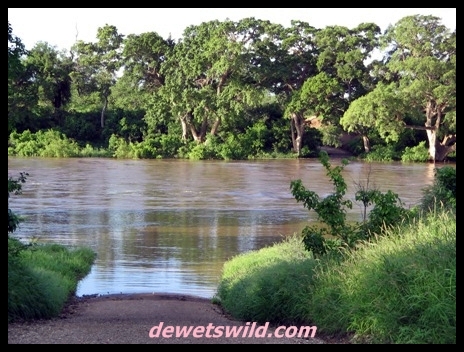
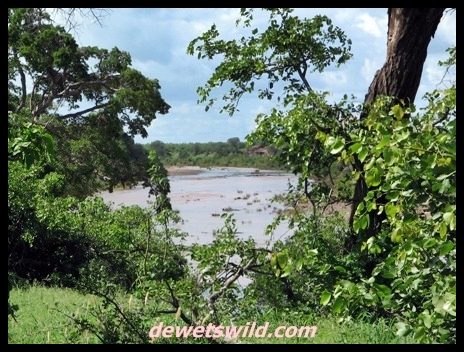
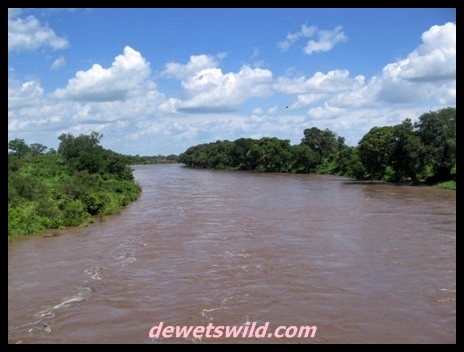
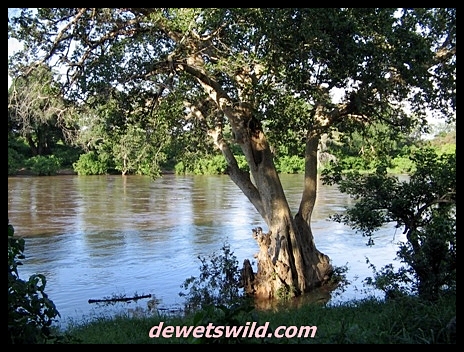
The Shingwedzi is a temperamental river; devoid of surface water for most of the dry season it can quickly swell to incredible dimensions after a deluge. We witnessed one such flash flood in January 2006; the pictures below were taken one day apart:

The low level causeway across the river outside Shingwedzi’s southern gate is a particularly beautiful spot to while away the last minutes just before the gates close in the evening, and there’s always some interesting birds and animals in the vicinity.

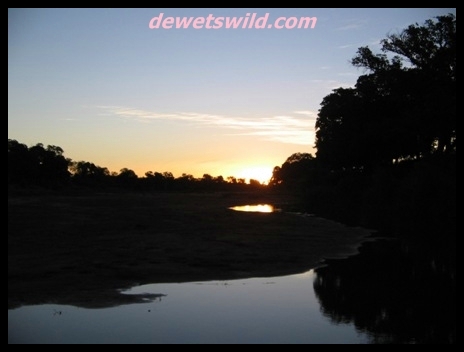
There are three excellent game-viewing drives to undertake from Shingwedzi. The first, to the south-west (road S52), follows both the southern and northern banks of the Shingwedzi river towards the Tshange viewpoint. The spectacular cliffs and pools at Red Rocks are well worth the short detour along the way.
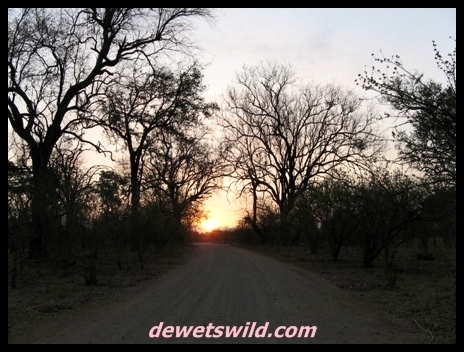
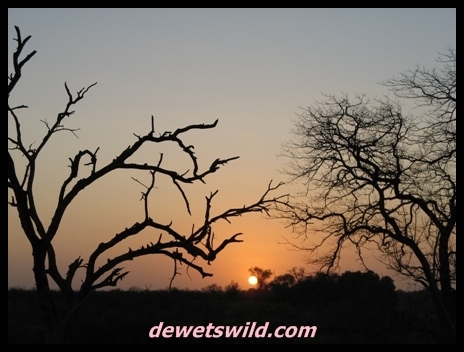
The second route (S56) follows the course of the Mphongolo river to the north, through beautiful riverine woodland, and ends at the Babalala picnic site.
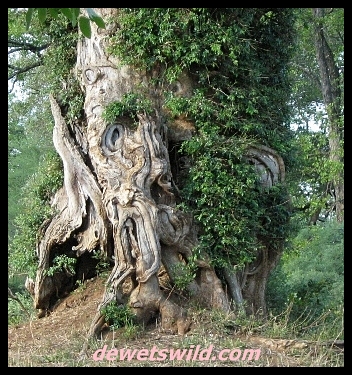
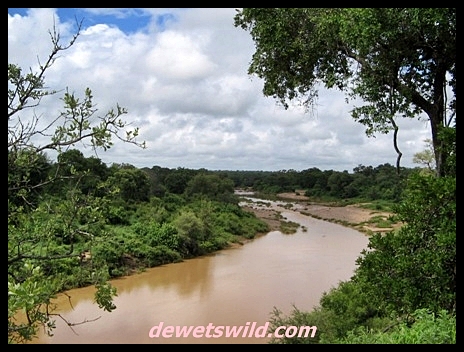
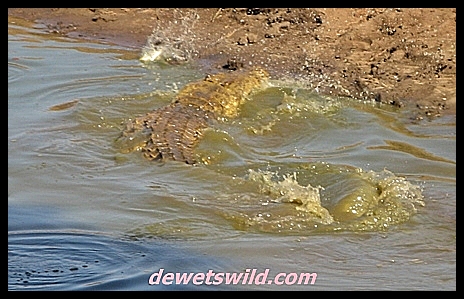
Our favourite Kruger Park route of all (the S50) follows the Shingwedzi River in a south-easterly direction towards the Lebombo Mountains. Numerous little loops offer peaceful vantage points over the waters of the Kanniedood Dam and the hides at Nyawutsi and Kanniedood are enjoyable alternatives to driving around. Along this route we’ve often seen crocodiles using their bodies to herd schools of fish to the bank where they can then be picked off easily.

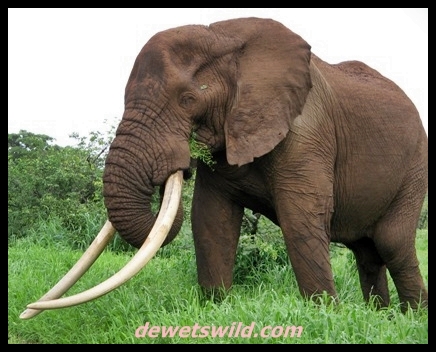
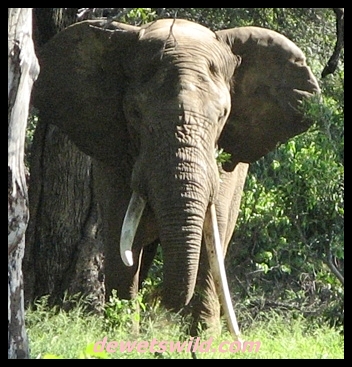
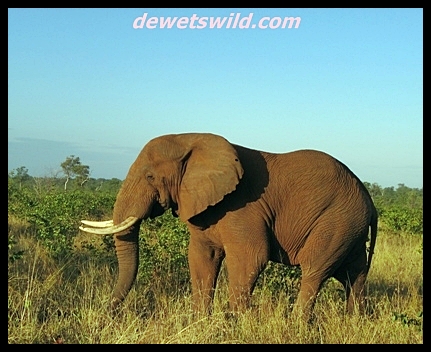
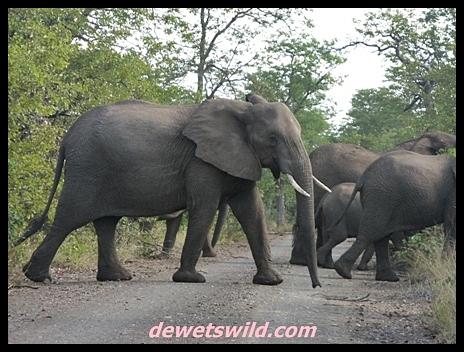
This is elephant country. Large breeding herds, bachelor groups and lone bulls can be expected along any of the drives that radiate from Shingwedzi, and not all of them are equally happy to share their living space with curious humans so are best appreciated from a safe distance. Over the years we’ve had the pleasure of encountering a number of elephant bulls carrying extraordinary ivory whilst staying at Shingwedzi.
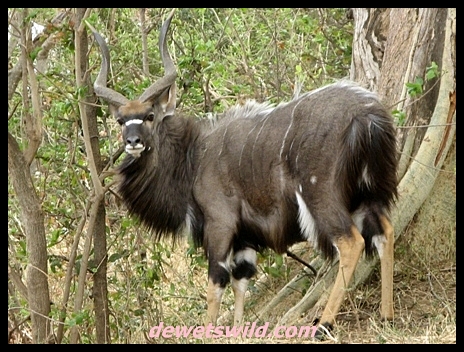
Another reason why we like Shingwedzi so much is that you have a very good chance of getting good sightings of the rarer antelope species that occur in the Kruger National Park.
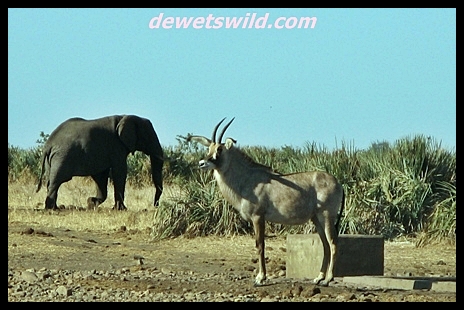
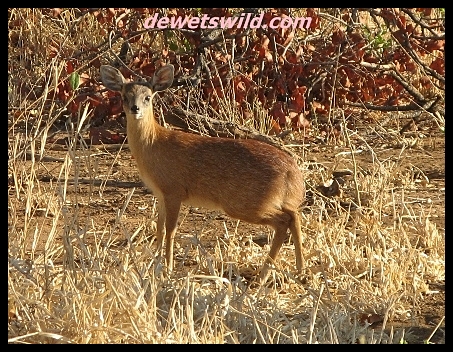
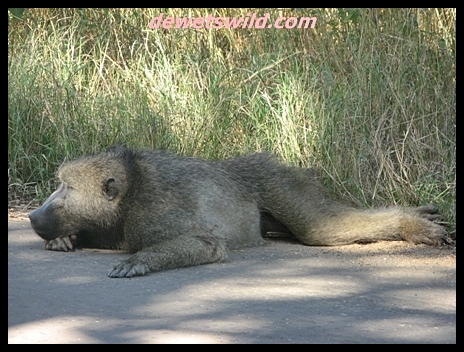
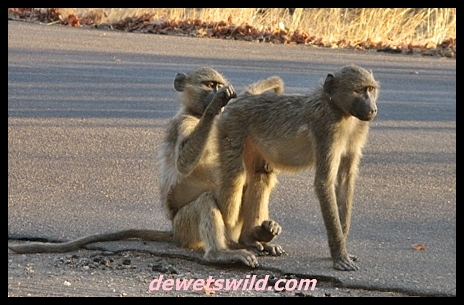
In the late afternoon one often find baboons and vervet monkeys lounging in and under the large trees on the river banks, getting ready for the dark of night ahead. Their antics can keep you entertained for hours.
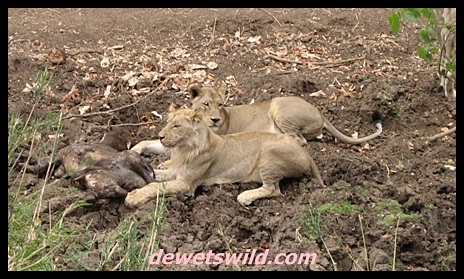
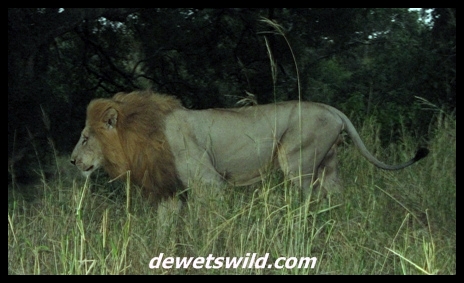
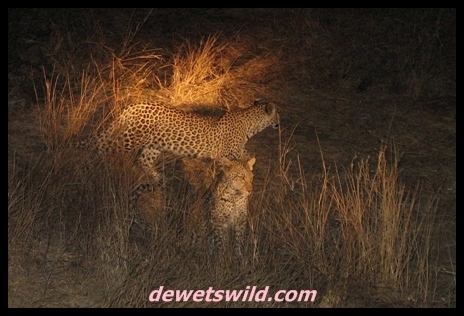
In the far north of Kruger, Shingwedzi is your best bet at finding Africa’s mega predators, with hyena, leopard and lion being relatively plentiful and often found along any of the roads in the region. Taking part in one of the guided night drives on offer often results in good sightings of these sought-after animals.
And now that I’ve pondered over all the reasons Shingwedzi’s so close to our hearts, I still can come to only one conclusion.

It’s true: Shingwedzi is heaven on earth.