Tag Archives: vacation

Delicate

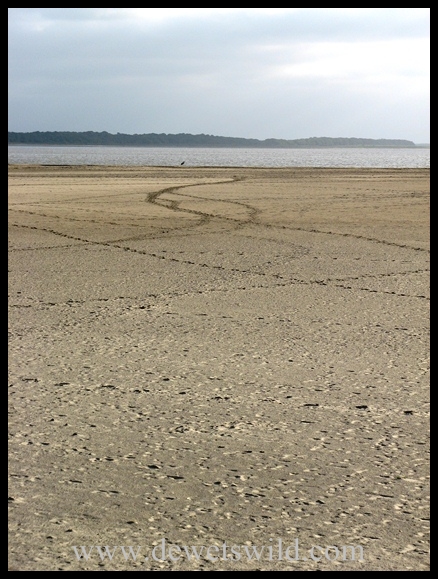
A multitude of animal footprints crossing the delicate mud flats of Lake Saint Lucia, in the iSimangaliso Wetland Park.

Delicate

For more of this weeks challenge go to Weekly Photo Challenge: Delicate.

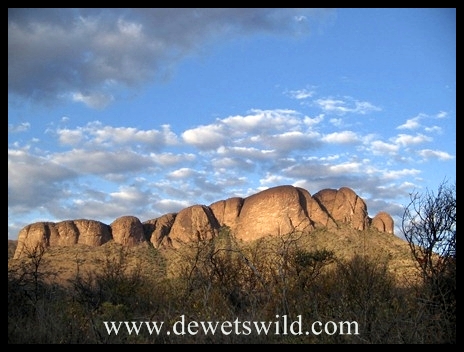
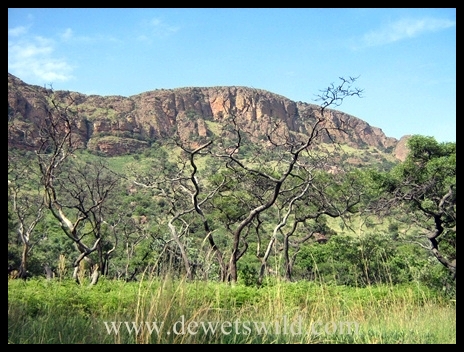
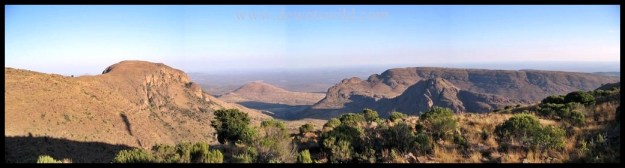
Mapungubwe National Park


In the far north-west corner of South Africa’s Limpopo Province, on the border with Botswana and Zimbabwe, is a national park that protects not only a rich and diverse natural landscape, but also a fascinating cultural heritage.

Mapungubwe National Park was officially proclaimed only in 1995 (originally called Vhembe-Dongola National Park) and was conferred World Heritage Site status in 2003, but the area’s rich history dates back much further than that. Atop the inconspicuous Mapungubwe Hill, archaeologists have uncovered evidence of a thriving and advanced African civilisation, dating back to between 900 and 1250AD, trading with countries as far away as Egypt, India and China. This rich cultural heritage is today showcased in an award-winning interpretive centre and guided tours are presented to the archaeological site on and around Mapungubwe Hill.

The Park however has much more to offer nature enthusiasts though. The Park is home to large predators like lion, leopard and spotted hyena, a large number of elephants, many antelope species, zebra and giraffe, a huge variety of birds, reptiles and invertebrates, and interesting plant life – not least of which is the impressive baobabs.

From a cliff-top viewpoint there are magnificent views over the confluence of the Limpopo and Shashe rivers where South Africa, Botswana and Zimbabwe meets, with a well laid-out picnic site nearby.
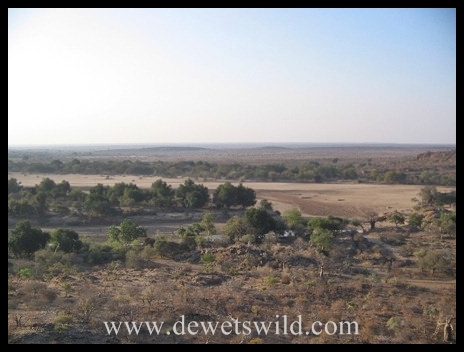
2056 Confluence uitkyk

In the same general vicinity a unique raised walkway – high enough for elephants to walk underneath with ease and almost a kilometre in length – leads through the riverine vegetation on the banks of the Limpopo. Here the fever trees, with their yellow trunks, are particularly beautiful – a notice board at the start of the trail calls into memory a quote from one of Rudyard Kipling’s’ Just So Stories, The Elephant’s Child: “…till at last he came to the banks of the great grey-green, greasy Limpopo River, all set about with fever-trees…”.

The Maloutswa Hide, in the western section of the Park, is another highlight not to be missed. Here, in a shaded, spacious wooden building overlooking a large pan one can easily while away hours watching the animals and birds come and go to slake their thirst at the water’s edge.

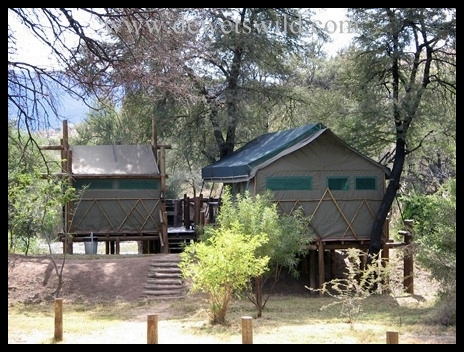
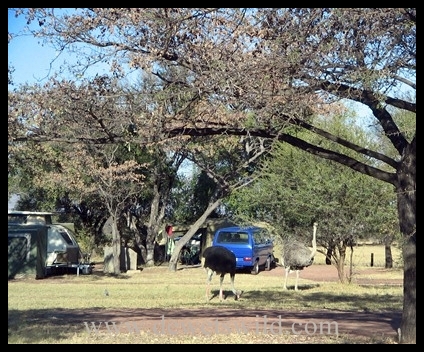
SANParks offer overnight accommodation in four camps (Leokwe Rest Camp, Limpopo Forest Tented Camp, Tshugulu Lodge and Vhembe Wilderness Camp) and camping at the Mazhou Campsite, and a variety of guided activities are also on offer.

Today grand plans are being implemented to establish a unified trans frontier conservation area centred on Mapungubwe by incorporating state and private land from the three neighbouring countries – a praise-worthy initiative well worth supporting.

Peaceful

This tranquil sunrise scene was photographed near Skukuza in the Kruger National Park, ironically at a location called Lake Panic due to the large number of crocodiles and other predators and other dangerous animals that lurk in the vicinity. To us, there is no place where we feel more at peace than in the Kruger Park.

Peaceful

We’re participating in the online adventure travel magazine LetsBeWild.com‘s Wild Weekly Photo Challenge for bloggers. This week’s challenge was “Peaceful” and we’re very happy to have been awarded another honorable mention for our entry!

Honorable Mention

Reflections

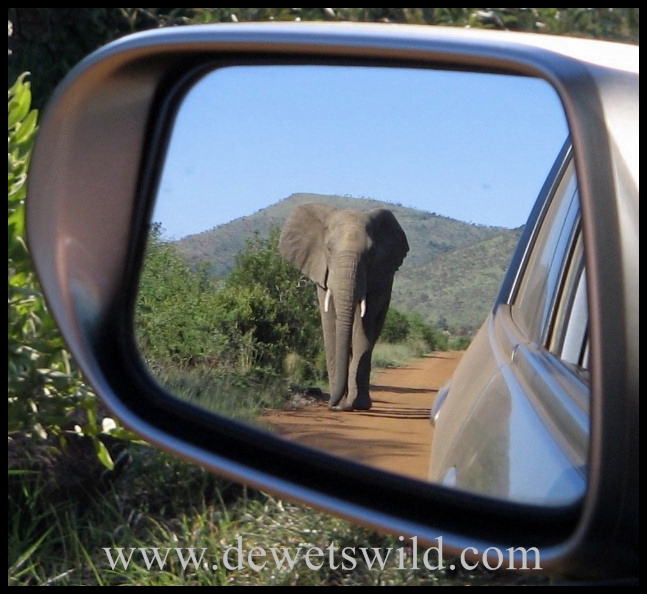
A young elephant bull, intent on stamping his newly realised authority on the humans (and their vehicles) visiting the Pilanesberg National Park, in the North West Province of South Africa. He followed us in this fashion for quite a distance, letting us know every now and then, with a shake of the ears or a quickened pace or two, that our presence on his turf is not appreciated.

Reflections

Texture in Nature

For this week’s Wild Weekly Photo Challenge for bloggers, by online adventure travel magazine LetsBeWild.com, themed “Texture in Nature“, we decided on submitting a collection of shots depicting the intertidal pools of the iSimangaliso Wetland Park. Few people fail to be fascinated by the wildlife hiding away in these seashore retreats – perhaps because it is a window into a world so vastly different from our own?

(click on an image to view the pictures in a carousel)


Cathedral Peak

Cathedral Peak is another beautiful part of the uKhahlamba Drakensberg Park (a World Heritage Site). Located in the central Drakensberg, the area is well-known for its dramatic scenery: Craggy peaks (Cathedral Peak itself rises to an altitude of over 3000 metres) and sheer rock faces, steep grass-covered slopes and deep valleys vegetated by indigenous forests and drained by crystal-clear mountain streams.

These magnificent surroundings make the Cathedral Peak area a favourite haunt for hikers with numerous trails ranging from a few hours to several days in length traversing the mountain range (with a large number of caves providing an interesting overnight camping option). Other activities on offer include trout fishing, bird and game viewing, mountain biking and a guided drive along Mike’s Pass for stunning vistas of the escarpment.

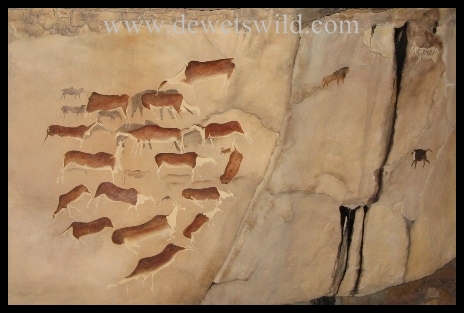
Accommodation is available at the privately-operated Cathedral Peak Hotel, the luxurious Didima Camp, and a neat camping area with modern hot-and-cold ablution facilities. Didima, like its sister-Drakensberg Resorts at Royal Natal further north and Giant’s Castle further south, is operated by Ezemvelo KZN Wildlife. The accommodation units have been built in a unique style reminiscent of the caves that the area is so well-known for. These caves were in years past used as dwellings by the nomadic San people, and the San Rock Art Interpretive Centre at Didima is an excellent place to learn more about their fascinating art and culture.

Thankful

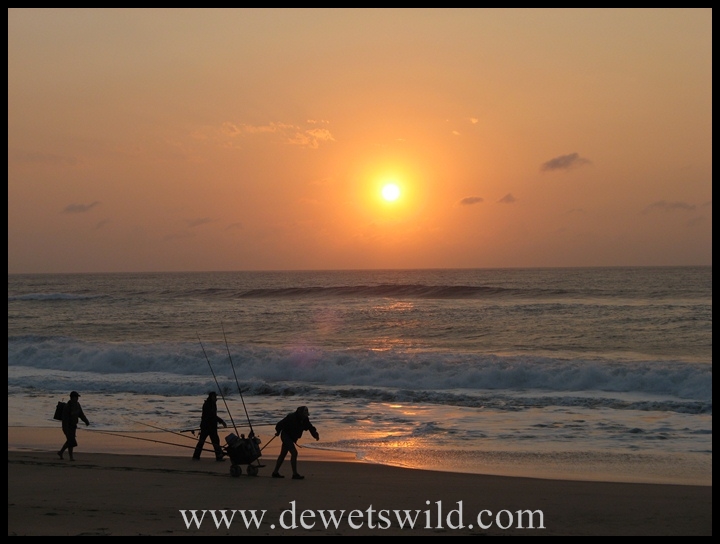
We are extremely thankful to be living in a country so richly blessed with natural splendour – this picture taken at sunrise  on the beach at Cape Vidal in the iSimangaliso Wetland Park.

Macro Photography

These close-up pictures of some smaller animal life was taken in the Mapungubwe National Park and World Heritage Site, in the far North-West corner of South Africa  where it borders Botswana and Zimbabwe:

Caterpillar

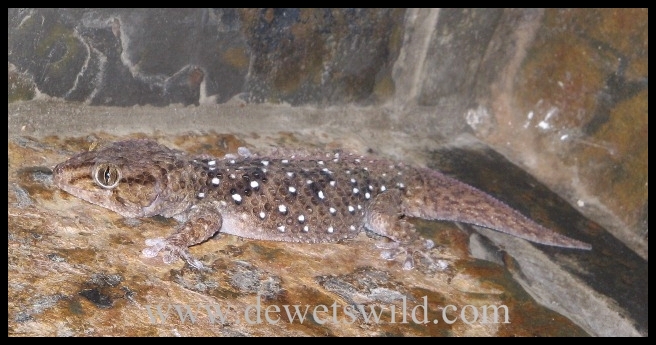
Superbly camouflaged gecko in a chalet at Mapungubwe National Park

Huge cricket sharing our outdoor shower in Mapungubwe National Park

We’re participating in the online adventure travel magazine LetsBeWild.com‘s Wild Weekly Photo Challenge. This week’s challenge is Macro Photography.

Inspiration

de Wets Wild is inspired by spending time together in South Africa’s wild places – as in this picture featuring Dries and an eight-month old Joubert negotiating a trail in the Moreletakloof Nature Reserve in Pretoria, South Africa.

Giant’s Castle Game Reserve

The Giant’s Castle Game Reserve was established in 1903 and is named after a peak, 3314-m high, that towers imposingly over the valleys of the reserve.  Located in western KwaZulu-Natal Province on the border with Lesotho, the reserve is today an integral part of the uKhahlamba Drakensberg Park, a world heritage site.

Specifically proclaimed for the protection of the last remaining free-roaming populations of eland (the biggest antelope in Africa) in Natal, the area where the reserve is located today was also home to the San-Bushmen, hunter-gatherers that were driven from the area by the middle of the nineteenth century and of whom the only remaining proof of their occupation is the vast number of paintings that adorn the walls of caves and rock overhangs in the area. Ironically so, for the San revered the eland as the most sacred of animals.

One hundred and nine years after the reserve’s foundation, the eland and a wealth of other animals, birds and plants all find protection here, but the magnificent mountain scenery still leaves the most lasting impression on visitors.