Making good on his escape, this large male baboon was being chased from the hut it was raiding at Thendele Camp, in the Royal Natal National Park

Making good on his escape, this large male baboon was being chased from the hut it was raiding at Thendele Camp, in the Royal Natal National Park
For the final challenge of 2012, we decided to submit a selection of photographs of the various accommodation units we stayed in while exploring South Africa’s wild places this year (you can click on the images for a clearer view).


Have a look here for more submissions in this week’s challenge.

Cathedral Peak is another beautiful part of the uKhahlamba Drakensberg Park (a World Heritage Site). Located in the central Drakensberg, the area is well-known for its dramatic scenery: Craggy peaks (Cathedral Peak itself rises to an altitude of over 3000 metres) and sheer rock faces, steep grass-covered slopes and deep valleys vegetated by indigenous forests and drained by crystal-clear mountain streams.


These magnificent surroundings make the Cathedral Peak area a favourite haunt for hikers with numerous trails ranging from a few hours to several days in length traversing the mountain range (with a large number of caves providing an interesting overnight camping option). Other activities on offer include trout fishing, bird and game viewing, mountain biking and a guided drive along Mike’s Pass for stunning vistas of the escarpment.

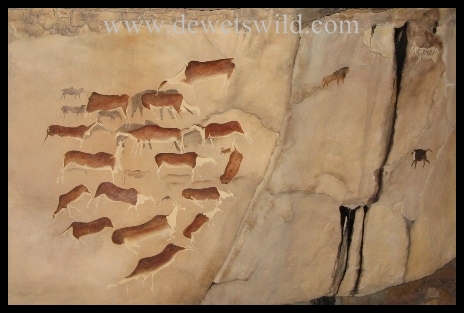
Accommodation is available at the privately-operated Cathedral Peak Hotel, the luxurious Didima Camp, and a neat camping area with modern hot-and-cold ablution facilities. Didima, like its sister-Drakensberg Resorts at Royal Natal further north and Giant’s Castle further south, is operated by Ezemvelo KZN Wildlife. The accommodation units have been built in a unique style reminiscent of the caves that the area is so well-known for. These caves were in years past used as dwellings by the nomadic San people, and the San Rock Art Interpretive Centre at Didima is an excellent place to learn more about their fascinating art and culture.


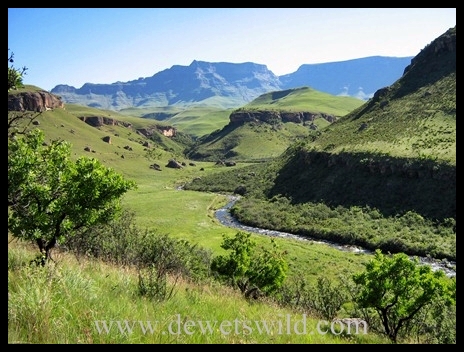
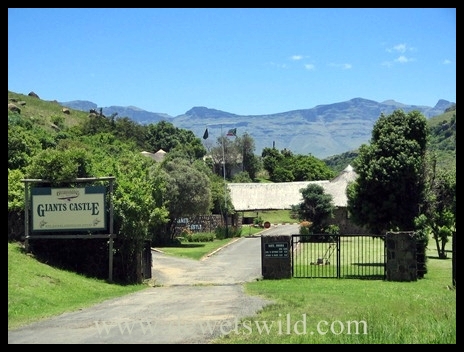
The Giant’s Castle Game Reserve was established in 1903 and is named after a peak, 3314-m high, that towers imposingly over the valleys of the reserve. Located in western KwaZulu-Natal Province on the border with Lesotho, the reserve is today an integral part of the uKhahlamba Drakensberg Park, a world heritage site.
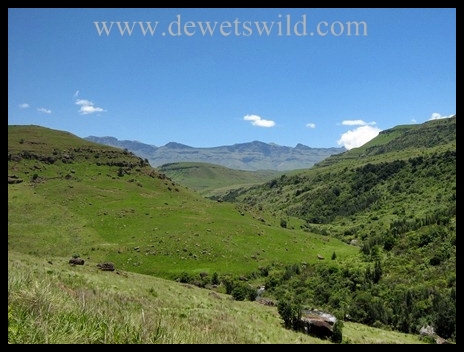


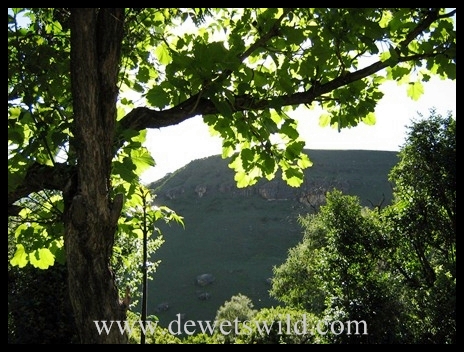
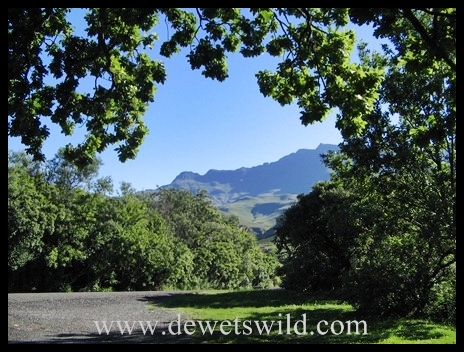
Specifically proclaimed for the protection of the last remaining free-roaming populations of eland (the biggest antelope in Africa) in Natal, the area where the reserve is located today was also home to the San-Bushmen, hunter-gatherers that were driven from the area by the middle of the nineteenth century and of whom the only remaining proof of their occupation is the vast number of paintings that adorn the walls of caves and rock overhangs in the area. Ironically so, for the San revered the eland as the most sacred of animals.
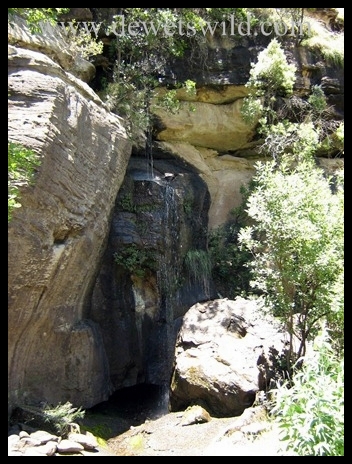
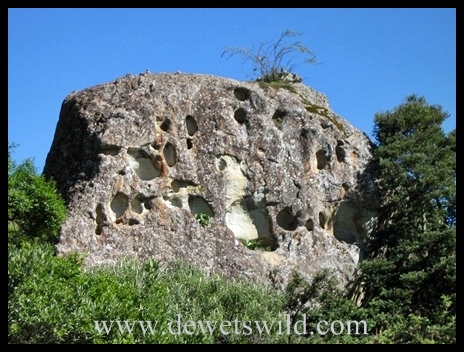
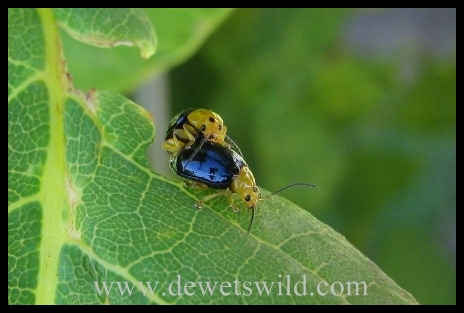
One hundred and nine years after the reserve’s foundation, the eland and a wealth of other animals, birds and plants all find protection here, but the magnificent mountain scenery still leaves the most lasting impression on visitors.
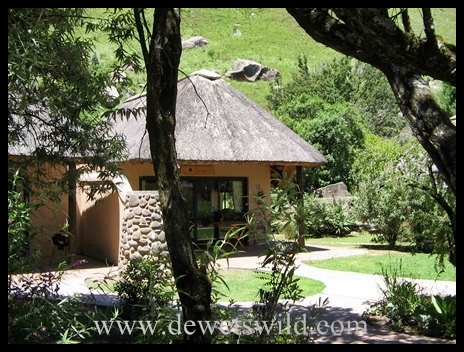
A collection of images depicting the splendour of the natural vegetation found in South Africa’s wild places.
(click on an image to view the picture carousel):


At 96 years of age, Royal Natal Park remains a jewel in South Africa’s rich conservation crown; proclaimed a nature reserve in 1916 the most spectacular Drakensberg scenery is to be found here and few vistas on earth can compare to the grandeur of the magnificent Amphitheatre formation.
Managed by Ezemvelo KZN Wildlife, this natural gem offers much for the outdoor enthusiast to get very excited about, from hiking, horse riding, swimming and trout fishing to more sedentary pastimes. Apart from the scenic Thendele hutted camp set high on a hillside with unobstructed views of the Tugela River and Amphitheatre, two exceptional camping areas – the larger Mahai and the smaller Rugged Glen, is available to guests who’d like to overnight inside the Park while a number of privately operated accommodation establishments are available outside the park boundaries within a short driving distance of the entrance gate.
Surprisingly dense mountain forest complete with giant yellowwoods and tree ferns can be found in the sheltered kloofs (wouldn’t one expect deep snow here rather than forests?) and crystal clear mountain streams rush downhill to join the headwaters of the Tugela River downstream of the Tugela Falls, one of the highest waterfalls on earth. Apart from the jaw-dropping scenery, the rich and varied birdlife and a nice variety of mammal species keep photographers occupied for hours. Watch out for the baboons though – they’ve grown very contemptuous of humans and need no invitation to pop into your unit, campsite or vehicle to relieve you of any food items they may find inside.
This reserve really is a must-see destination and it should be an easy 4 hour drive from Gauteng; unfortunately at the time of our recent visit (Easter 2012) the most direct route over the Oliviershoek Pass, or rather what’s left of it, was a harrowing pothole-dodging affair and inland visitors would be well advised to follow the N3 over Van Rheenen’s Pass and then access the reserve via the small town of Bergville – quite a detour in terms of distance but much safer and more enjoyable and just as long in terms of time spent on the road.
 DeWetsWild