Here’s a fun video Joubert took during our latest visit to the Kruger National Park of a dung beetle hard at work. Watch the female catching a lift!

Here’s a fun video Joubert took during our latest visit to the Kruger National Park of a dung beetle hard at work. Watch the female catching a lift!

Even if Spotted Hyenas were not the most numerous large predator around Skukuza Rest Camp in the Kruger National Park – and I think they are – they’re definitely the most frequently encountered, a fact borne out yet again by the many rendezvous we had with these fascinating creatures during our visit to the Skukuza-area earlier in January.
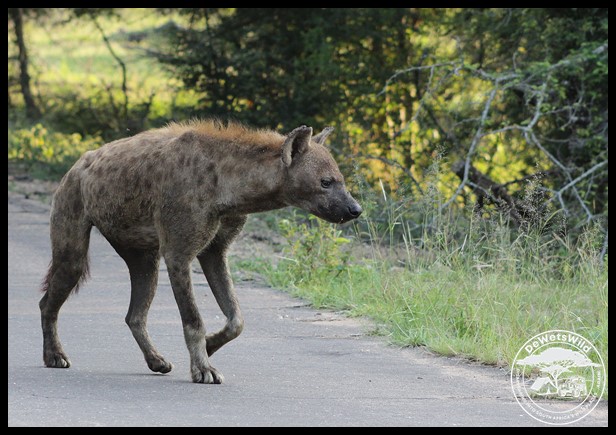
Spotted Hyena near Leeupan, north-east of Skukuza Rest Camp
On a night drive from camp, following the course of the Sabie River, we crossed paths with several clans all searching for food.
We paid frequent visits to a Hyena den just a few kilometres south of the camp, where the many curious cubs kept us well entertained. These encounters were definitely in the “cute and cuddly” category.


We were awed by their tenacity when we spent time with this group of four Hyenas who were following the hunting wild dogs we shared with you a few days ago. While they couldn’t keep up with the pace of the painted wolves they were not put off, hoping that if they stayed on the spoor of the dogs they would catch up with them and could steal their meal. As it turned out the kill was quickly consumed by the wild dogs and the hyenas were left without a morsel by the time they arrived, but I am sure this will not prevent them trying again!


Definitely the scariest run-in with a Spotted Hyena during this latest trip was with an individual who popped into the Tshokwane Picnic Spot while we were having breakfast. Luckily he didn’t stay long and moved off again without using those powerful jaws on any of the humans.


We’d love for you to join DeWetsWild on a guided tour of the Kruger National Park or to help you arrange a self-guided visit. Don’t hesitate to reach out!

We’ve just returned from another wonder-filled visit to the Kruger National Park, where as always we had great luck and enjoyed the most memorable experiences. One of those was this encounter with a pack of African Wild Dogs hunting along the Sand River while we followed behind until they caught, killed and devoured a young Impala early yesterday (11 January 2024) morning. This video – not for sensitive viewers – was taken by Joubert.
We’d love for you to join DeWetsWild on a guided tour of the Kruger National Park or to help you arrange a self-guided visit. Don’t hesitate to reach out!

Join us for a look back at the wonderfully wild South African destinations we visited during 2023. May 2024 be a blessed year for you and your family, memorable for all the best reasons.


DeWetsWild is proud to announce that we can now assist with reservations for and guided tours of what is unquestionably one of South Africa’s diamonds – the Tembe Elephant Park!
Visitors can look forward to spending time with some of the country’s biggest tuskers, lions, leopards, rhinos, buffaloes and rare species like African wild dogs and sunis, while staying in the comfortable accommodation offered by one of the continent’s most affordable full service lodges in a “Big 5” reserve and being looked after by the most hospitable people.
If you feel like treating yourself to a bush retreat, have a read here and then chat to me about Tembe Elephant Park!
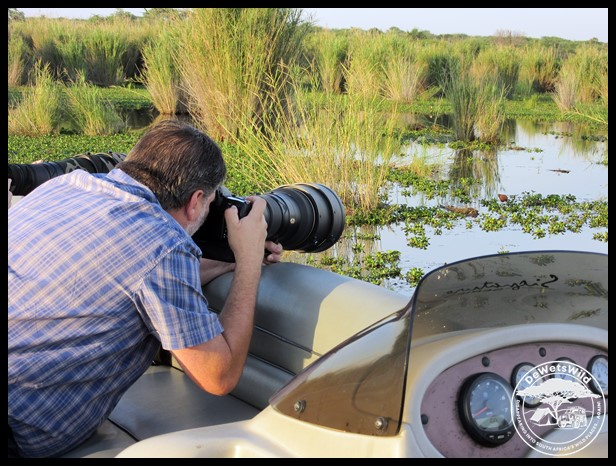
I recently had the opportunity to join friend and colleague Hannes Rossouw for a morning of bird photography on the Mongena Dam in the Dinokeng Game Reserve. It was an amazing experience, the sun rising beautifully over the calm water while we were drifting silently among the water plants to watch and photograph several kinds of water birds and other wildlife from close quarters. Having Hannes on hand to assist with camera settings and composition tips was of great value to me and the other participants. For anyone with a love for birds and photography this excursion with Hannes is an absolute must – keep an eye on his social media page for the date of the next trip.


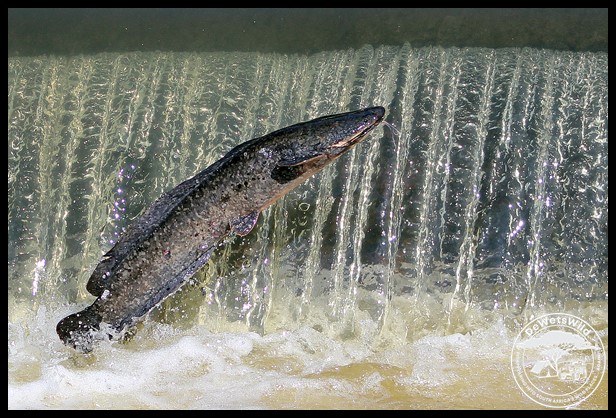
During a visit in November to Rietvlei Nature Reserve on Pretoria’s outskirts, along with friend and colleague Hannes Rossouw, we were treated to the show of hundreds of Sharptooth Catfish trying to move upstream following a good downpour the day before. What an amazing spectacle it was!


The reason why they’re moving upstream is to mate and lay eggs in newly inundated areas. These catfish were videoed at the Marais Dam in the reserve, vying for mating rights and the best spots to lay and fertilise their eggs.
Remember that I am available to escort you on a guided tour of the Rietvlei Nature Reserve when you visit Pretoria, and that Hannes will gladly accompany us if you’re looking for tips from an expert wildlife photography tutor!

As befits a conservation area of its stature, the iSimangaliso Wetland Park is extremely rich in fauna of all description. In this final post about our recent tour of the reserve I’ll be sharing some more of the wonderful animal sightings we had.
The tropical environment of northern Kwazulu-Natal is home to some very interesting invertebrate creatures – the Flatface Longhorn Beetle I showed you a few days ago being a fantastic example.


Fish and frogs must be finding the wet conditions prevailing now after suffering through a terrible drought not so long ago very much to their liking!


Even though most of them are shy and seldomly seen, iSimangaliso is home to an amazing array of reptiles as well – many of them rather dangerous!


We dedicated an entire post to the amazing diversity of birds that we found in iSimangaliso during our most recent trip.


Mammals are well represented at iSimangaliso, and zebras, giraffes, warthogs, various kinds of antelope and primates are regularly encountered along the routes traversing the Park.


Sitting outside watching our fire one evening at Mantuma Camp in the uMkhuze Game Reserve we were joined by a large herd of impalas and nyalas.
These Kudu bulls decided to have it out right in the middle of the road between St. Lucia and Cape Vidal.
While traveling along the grassland loop through the Eastern Shores section of the Park we came across a group of hyenas finishing off the remains of a buffalo.


At the other end of the scale are Africa’s grey behemoths, all of which are found at iSimangaliso. Without forgetting to mention the Humpback Whales and dolphins so often seen just offshore, I’ve also already given closer attention to elephants and buffaloes. Hippos were one of the main reasons for the establishment of the St. Lucia Game Reserve 128 years ago, and they are still very much in evidence. We also encountered White and Black Rhinos, but I won’t be sharing photo’s of them as they were in some easily recognisable spots.


Remember that DeWetsWild will gladly assist you with reservations and guided tours of the iSimangaliso Wetland Park if you’d like to visit this wonderful place as well.

The iSimangaliso Wetland Park is home to several hundred African Buffaloes, and they’re especially numerous in the Eastern Shores section of the reserve. They’re such powerful beasts with a well deserved reputation for a dangerous disposition, and it is always exciting to see them at close quarters.


Remember that DeWetsWild will gladly assist you with reservations and guided tours of the iSimangaliso Wetland Park if you’d like to visit this wonderful place as well.

More than 500 bird species have been recorded within the borders of the iSimangaliso Wetland Park, making it one of the country’s most rewarding bird-watching destinations – a fact that was once again proven to be undeniable during my latest tour of “The Place of Miracles and Wonders”. Even if I hadn’t ticked the Lesser Moorhen for the first time this would still have been a bumper birding trip! Lets start the birdwatching off with a few videos.
African Pygmy Kingfishers are little winged jewels and in our experience iSimangaliso is one of the best possible places to search for them during summer.
Another bird that you are more likely to see in iSimangaliso than probably anywhere else in South Africa is the Crested Guineafowl.
Grey-headed Gulls are the most commonly observed of their family on the beaches of iSimangaliso. This one found a dead fish but is struggling to gulp it down!
There were so many Hamerkops to be seen all over the Park – they’re obviously enjoying the inundated conditions and the boom in fish and frog numbers associated with it!
Of course, with so much of the Park under water now it’s hardly a surprise that waterfowl are to be seen in exceptional numbers, but what was especially gratifying to me was the plentiful sightings of African Pygmy Geese and White-backed Ducks – elusive species I’ve only rarely seen previously.
At the KwaMalibala-hide this flock of White-faced Whistling Ducks dabbling and diving for food were great entertainment. In the hot weather their splashing seemed quite refreshing!
Altogether we managed to see and identify 174 different species of birds in the 10 days that we spent in the iSimangaliso Wetland Park on this latest tour that included the town of St. Lucia and its surrounds, the Eastern and Western shores sections and the uMkhuze Game Reserve.


Remember that DeWetsWild will gladly assist you with reservations and guided tours of the iSimangaliso Wetland Park if you’d like to visit this wonderful place as well.
 DeWetsWild