In the 20 years that I’ve been visiting the Hluhluwe-Imfolozi Park, I’ve never seen the Black Umfolozi River bone-dry at the bridge on the way to Mpila Camp. That changed when we visited in July 2015. A drought has the north of Kwazulu-Natal Province in its firm grasp and it is evident that the Park is unfortunately not escaping its ravages.
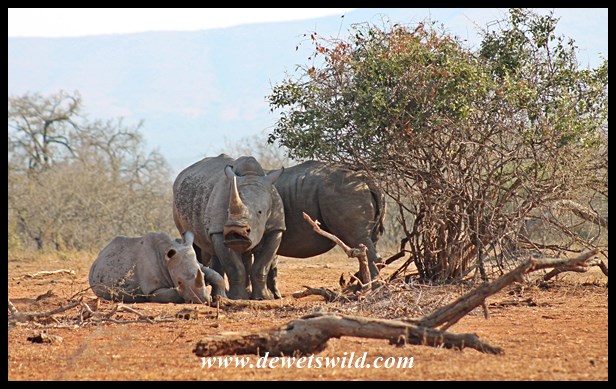
Travelling south-west after entering at Memorial Gate, through the Hluhluwe-section of the Park, we couldn’t help noticing how parched even this normally lush area has become, a marked contrast from when we visited in December 2014. Game-viewing was easy going, as animals were congregating in their numbers around the remaining water sources and the denuded vegetation provided little cover. After checking in at Mpila, we headed for Sontuli Loop, our favourite drive in the reserve.


The next morning saw us out exploring Imfolozi at the break of dawn. The animal population seems to be coping well with the harsh conditions and we had good sightings of several species of birds, mammals and reptiles. Unseasonably hot weather, in the low 30’s Celsius, saw us return to Mpila for a siesta during the midday heat before taking our afternoon drive to Ubhejane Hide .


Overnight a cold front accompanied by strong gusts of wind passed over the Park, seeing temperatures drop to less than half of what they were the previous day and overcast conditions prevailing throughout. This allowed us to stay out exploring for most of the day, visiting the Centenary Centre for lunch (we can highly recommend the ostrich burgers sold at the take-away kiosk!). A drive out to the extreme south-west corner of the reserve that afternoon put our minds at ease with the knowledge that the White Umfolozi River, that runs through the Park’s wilderness area, is still flowing, albeit only a trickle compared to the normal situation.


More of the same wintery weather greeted us as we woke on our last full day in the Park, and the hot cup of coffee and rusks we enjoyed that morning at Ubhejane Hide was indeed very welcome. By now we knew the few remaining pools at the viewpoint over the Black Umfolozi (near point 17 on the Park map) was like a magnet to wildlife, and finding three big male lions there guarding one of them was no surprise. The band of brothers remained in the same spot all day, doing what lions do best – sleeping! As for the de Wets, we headed for Sontuli Picnic Site for a lovely braai (South African barbeque) and then enjoyed our traditional last slow drive along Sontuli Loop at dusk before heading back to camp.


It’s unbelievable how quickly time passes when enjoying South Africa’s wild places. Leaving the Park on the morning of the 15th of July, we were concerned about the effects a prolonged drought would have on the Park’s vegetation and wildlife. Recent news about good rains falling in the area therefore was extremely welcome. It might not break the drought, but it will replenish the waterholes and hopefully carry the wildlife through to summer when (hopefully) more rain should come.

————————————————————————————————————————————–
For our July 2015 visit, we opted to enter and exit the Hluhluwe-Imfolozi Park at Memorial Gate, in the north of the reserve (a 7-hour, with stops, 570km drive from our home in Pretoria), and spent four nights at wonderfully wild Mpila Camp in the Imfolozi-section of the reserve.


The route from Pretoria to Memorial Gate
(drawn with Google Maps)
Sadly the Hluhluwe-Imfolozi Park is under threat; if a proposed coal mine on the southern border of the reserve gets given the go-ahead it will mean the end of the reserve’s renowned wilderness area and much of its, and the Isimangaliso Wetland Park’s, ecological integrity. Visit “Save our Imfolozi Wilderness” if you’d like to add your voice in opposition to this unnecessary and unwelcome development.
 DeWetsWild