Tag Archives: picnic spots

July ’24 update from Rietvlei Nature Reserve

As I was away on other tours for most of June I didn’t spend enough time at our local Rietvlei Nature Reserve to warrant a month-end update from there at the end of last month, but having now spent quite a bit more time guiding guests on drives and walks through Rietvlei this past month there’s lots to share since the previous update at the end of May. Winter’s cold has really gotten its claws into Rietvlei now – we measured a minimum temperature of -10°C (14°F) at one of the river crossings at sunrise one morning! It was therefore really surprising to see the cold blooded Nile Monitor Lizards still out and about and not hibernating. The deciduous trees have lost their leaves and the grass is now dry and brown and much thinner, making game-viewing a lot easier.

Rietvlei’s birds are always a treat, even when some of them sport frosty plumage in the early mornings – check the back of the wattled lapwing in this gallery! The count of bird species seen during our July drives and walks tallied to 79 (there’s a complete list at the end of this post) but, with the male Long-tailed Widowbirds starting to cultivate their summer finery already, that list should start expanding in the next month of two as the summer visitors arrive.

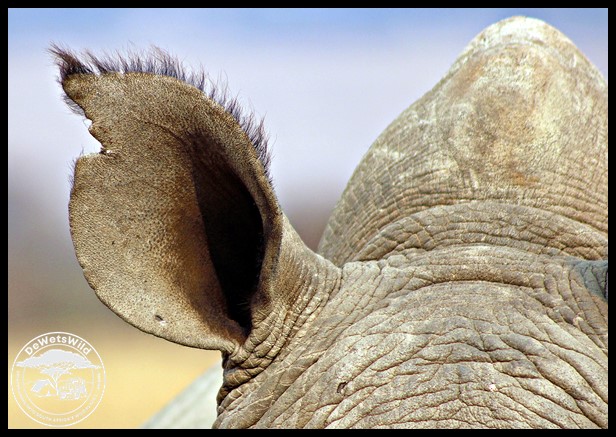
These Pied Starlings using a White Rhino bull as a catwalk for showing off was a rather amusing sighting!

As per usual Rietvlei was not going to disappoint us when it comes to the game-viewing experience!

List of birds I’ve seen at Rietvlei during June and July 2024:

Scientific Afrikaans English
Acridotheres tristis Indiese Spreeu Common Myna
Acrocephalus gracilirostris Kaapse Rietsanger Lesser Swamp Warbler
Afrotis afraoides Witvlerkkorhaan Northern Black Korhaan
Alopochen aegyptiaca Kolgans Egyptian Goose
Amblyospiza albifrons Dikbekwewer Thick-billed Weaver
Anas capensis Teeleend Cape Teal
Anas erythrorhyncha Rooibekeend Red-billed Teal
Anas sparsa Swarteend African Black Duck
Anas undulata Geelbekeend Yellow-billed Duck
Anhinga rufa Slanghalsvoel African Darter
Anthus cinnamomeus Gewone Koester African Pipit
Ardea melanocephala Swartkopreier Black-headed Heron
Bostrychia hagedash Hadeda Hadeda Ibis
Burhinus capensis Gewone Dikkop Spotted Thick-knee
Chroicocephalus cirrocephalus Gryskopmeeu Grey-headed Gull
Circaetus pectoralis Swartborsslangarend Black-chested Snake Eagle
Cisticola fulvicapilla Neddikkie Neddicky
Cisticola juncidis Landeryklopkloppie Zitting Cisticola
Cisticola tinniens Vleitinktinkie Levaillant’s Cisticola
Colius striatus Gevlekte Muisvoel Speckled Mousebird
Corvus albus Witborskraai Pied Cow
Crinifer concolor Kwevoel Grey Go-Away Bird
Curruca subcoerulea Bosveldtjeriktik Chestnut-vented Warbler
Dendropicos fuscescens Kardinaalspeg Cardinal Woodpecker
Dessonornis caffer Gewone Janfrederik Cape Robin-Chat
Dicrurus adsimilis Mikstertbyvanger Fork-tailed Drongo
Dryoscopus cubla Sneeubal Black-backed Puffback
Elanus caeruleus Blouvalk Black-winged Kite
Estrilda astrild Rooibeksysie Common Waxbill
Euplectes orix Rooivink Southern Red Bishop
Euplectes progne Langstertflap Longtailed Widowbird
Falco peregrinus Swerfvalk Peregrine Falcon
Fulica cristata Bleshoender Red-knobbed Coot
Gallinula chloropus Grootwaterhoender Common Moorhen
Icthyophaga vocifer Visarend Fish Eagle
Jynx ruficollis Draaihals Red-throated Wryneck
Lamprotornis bicolor Witgatspreeu Pied Starling
Lamprotornis nitens Klein Glansspreeu Cape Glossy Starling
Laniarius atrococcineus Rooiborslaksman Crimson-breasted Shrike
Lanius collaris Fiskaallaksman Common Fiscal
Macronyx capensis Oranjekeel Kalkoentjie Cape Longclaw
Microcarbo africanus Rietduiker Reed Cormorant
Mirafra africana Rooineklewerik Rufous-naped Lark
Motacilla capensis Gewone Kwikkie Cape Wagtail
Netta erythrophthalma Bruineend Southern Pochard
Numida meleagris Gewone Tarentaal Helmeted Guineafowl
Oena capensis Namakwaduifie Namaqua Dove
Passer diffusus Gryskopmossie Southern Grey-headed Sparrow
Passer melanurus Gewone Mossie Cape Sparrow
Phalacrocorax lucidus Witborsduiker White-breasted Cormorant
Plectropterus gambensis Wildemakou Spur-winged Goose
Ploceus velatus Swartkeelgeelvink Southern Masked Weaver
Porphyrio madagascariensis Grootkoningriethaan African Swamphen
Prinia subflava Bruinsylangstertjie Tawny-flanked Prinia
Psittacula krameri Ringnekparkiet Rose-ringed Parakeet
Pternistis swainsonii Bosveldfisant Swainson’s Spurfowl
Pycnonotus tricolor Swartoogtiptol Dark-capped Bulbul
Saxicola torquatus Gewone Bontrokkie African Stonechat
Scleroptila gutturalis Kalaharipatrys Orange River Francolin
Sigelus silens Fiskaalvlieevanger Fiscal Flycatcher
Spatula hottentota Gevlekte Eend Blue-billed Teal
Spatula smithii Kaapse Slopeend Cape Shoveler
Sphenoeacus afer Grasvoel Cape Grassbird
Spilopelia senegalensis Rooiborsduifie Laughing Dove
Streptopelia capicola Gewone Tortelduif Cape Turtle Dove
Streptopelia semitorquata Grootringduif Red-eyed Dove
Struthio camelus Volstruis Common Ostrich
Tachybaptus ruficollis Kleindobbertjie Little Grebe
Tadorna cana Kopereend South African Shelduck
Telophorus zeylonus Bokmakierie Bokmakierie
Threskiornis aethiopicus Skoorsteenveer African Sacred Ibis
Trachyphonus vaillantii Kuifkophoutkapper Crested Barbet
Turdoides jardineii Pylvlekkatlagter Arrow-marked Babbler
Urocolius indicus Rooiwangmuisvoel Red-faced Mousebird
Vanellus armatus Bontkiewiet Blacksmith Lapwing
Vanellus coronatus Kroonkiewiet Crowned Lapwing
Vanellus senegallus Lelkiewiet Wattled Lapwing
Zapornia flavirostra Swartriethaan Black Crake
Zosterops virens Kaapse Glasogie Cape White-eye

List of mammals I’ve seen at Rietvlei during June and July 2024:

Scientific Afrikaans English
Alcelaphus buselaphus Rooihartbees Red Hartebeest
Antidorcas marsupialis Springbok Springbuck
Canis mesomelas Rooijakkals Black-backed Jackal
Ceratotherium simum Witrenoster White Rhinoceros
Connochaetes gnou Swartwildebees Black Wildebeest
Cynictis penicillata Witkwasmuishond Yellow Mongoose
Damaliscus pygargus Blesbok Blesbuck
Equus quagga Bontsebra Plains Zebra
Herpestes sanguineus Swartkwasmuishond Slender Mongoose
Hippopotamus amphibius Seekoei Hippopotamus
Kobus ellipsyprymnus Waterbok Waterbuck
Leptailurus serval Tierboskat Serval
Syncerus caffer Buffel Cape Buffalo
Taurotragus oryx Eland Eland

If you’d like to join me on a guided tour of Rietvlei – on a hike or on an open vehicle drive – you can book through melanie@rietvleicoffee.co.za / +27(0)74-820-9926.
 

Postcards from Mokala: Scenery

The June school holidays saw us conducting a tour of the Mokala National Park, one of South Africa’s lesser-known wildlife gems, located just south of Kimberley on the edge of the Karoo and Kalahari. Our base for the trip was Lilydale Camp with its wonderful setting above the Riet River. Covering 284km² of open plains transected by rugged low hills, Mokala this winter is a feast to behold with wide swathes of Wild Rosemary bushes in seed, giving the veld a snow-covered appearance (hence the Afrikaans name “Kapokbos” for the Wild Rosemary) under absolutely cloudless skies.

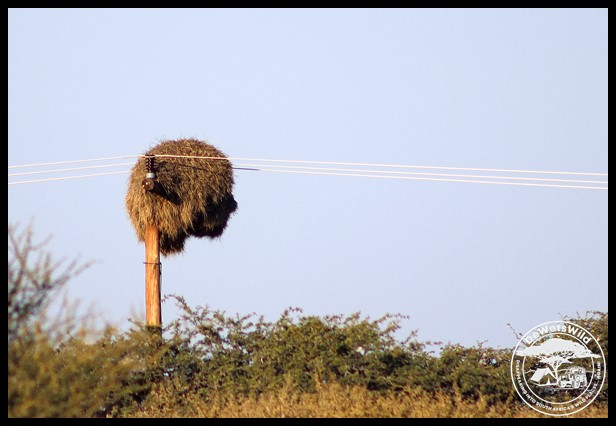
The enormous nests of Sociable Weavers are always a marvel, but this one looking like a human head spiked on an electricity pole was really creepy!

Remember that DeWetsWild can help you book a stay at Mokala National Park and I’d also be glad to escort you there on a guided tour!

Come along to “The Smoke That Thunders”

While staying at Senyati Safari Camp we made use of their very convenient shuttle service to spend a day at the Victoria Falls, just 80km away in neighbouring Zimbabwe.

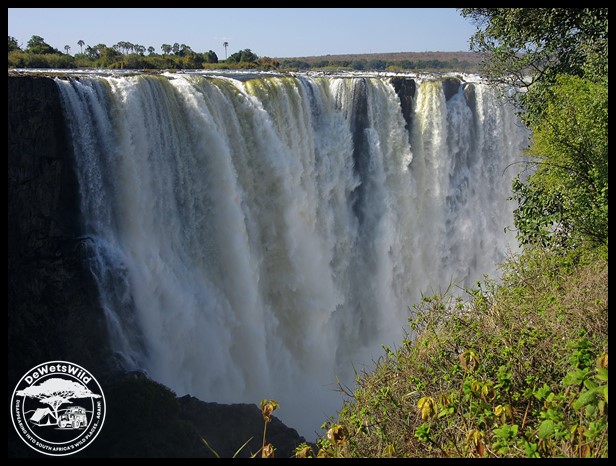
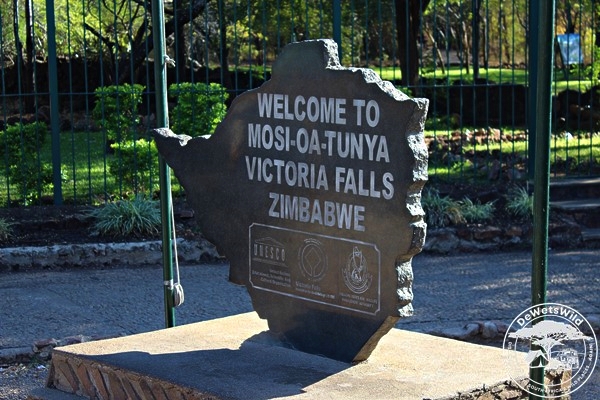
Known locally as Mosi-oa-Tunya; “The Smoke That Thunders”, the Victoria Falls really is one of the most awe-inspiring sights on the planet and most worthy of its inclusion among Unesco’s World Heritage Sites. It was named in November 1855 by explorer David Livingstone in honour of Britain’s Queen Victoria. Here the Zambezi River drops over a cliff 1.7km (more than a mile!) wide into a ravine 108m deep, making it the largest sheet of falling water on earth. On average more than a million liters of water flows over the falls every second – the highest ever recorded was almost 13-million liters per second! The spray from the falls rise up to 800m high and can be seen from over 50km away on a clear day. Even with a raincoat or umbrella you are sure to get soaking wet! Don’t miss the chance to walk onto the bridge connecting the Zambian and Zimbabwean border posts for a view of the gorge below the waterfall.

Around the falls on the Zimbabwean side the rainforest and associated wildlife is protected in the Victoria Falls National Park, while on the Zambian side you’ll find the Mosi-oa-Tunya National Park.

If you’re planning to visit, the flow over the falls is usually at its most spectacular during April and at its lowest during November. You can fly directly to international airports at Victoria Falls (Zimbabwe) or Livingstone (Zambia) and there are many accommodation establishments to choose from (and DeWetsWild will gladly help with your bookings!).

Come along on a game drive through Botswana’s Chobe National Park

We made an early departure from Senyati in order to be at the entrance gate into Chobe National Park by the time it opened at 6am. One of the first animals we saw was a leopard stalking a herd of impala, a good indication as to the quality of the game-viewing we enjoyed for the morning we spent exploring the park.

The highlight of the day was finding three lions strolling across the Puku Flats. At one point they flushed a roan antelope from a patch of long grass, but it made a safe retreat. Eventually the lions found a shady spot in which to rest and we moved along.

We made it as far west as the Kabulabula Peninsula before we had to turn around and head for the gate again, as we had another exciting excursion booked for the afternoon. More about that in the next post!

May ’24 update from Rietvlei Nature Reserve

Another month of guiding guests visiting our local Rietvlei Nature Reserve has passed, and with temperatures at sunrise now touching the 0°C mark near the water and the grass slowly turning brown and less dense there’s no denying that winter is upon us in our corner of the southern hemisphere. Sightings have been excellent as usual and I’ve had some thoroughly entertaining and very memorable drives with my guests.

We managed to identify 94 bird species while out on guided drives this past month.

And most of the mammals also played along nicely, although the resident cheetah kept herself well hidden!

List of birds seen at Rietvlei Nature Reserve during May 2024:

Scientific Afrikaans English
Acridotheres tristis Indiese Spreeu Common Myna
Acrocephalus gracilirostris Kaapse Rietsanger Lesser Swamp Warbler
Afrotis afraoides Witvlerkkorhaan Northern Black Korhaan
Alopochen aegyptiaca Kolgans Egyptian Goose
Amandava subflava Rooiassie Orange-breasted Waxbill
Amblyospiza albifrons Dikbekwewer Thick-billed Weaver
Anas erythrorhyncha Rooibekeend Red-billed Teal
Anas sparsa Swarteend African Black Duck
Anas undulata Geelbekeend Yellow-billed Duck
Anhinga rufa Slanghalsvoel African Darter
Anthus cinnamomeus Gewone Koester African Pipit
Anthus vaalensis Vaalkoester Buffy Pipit
Apus barbatus Swartwindswael African Black Swift
Ardea melanocephala Swartkopreier Black-headed Heron
Ardeola ralloides Ralreier Squacco Heron
Asio capensis Vlei-uil Marsh Owl
Batis molitor Witliesbosbontrokkie Chinspot Batis
Bostrychia hagedash Hadeda Hadeda Ibis
Bubulcus ibis Veereier Western Cattle Egret
Burhinus capensis Gewone Dikkop Spotted Thick-knee
Butorides striata Groenrugreier Green-backed Heron
Calendulauda sabota Sabota Lewerik Sabota Lark
Cecropis cucullata Grootstreepswael Greater Striped Swallow
Centropus burchellii Gewone Vleiloerie Burchell’s Coucal
Chalcomitra amethystina Swartsuikerbekkie Amethyst Sunbird
Circaetus pectoralis Swartborsslangarend Black-chested Snake Eagle
Cisticola juncidis Landeryklopkloppie Zitting Cisticola
Cisticola tinniens Vleitinktinkie Levaillant’s Cisticola
Corvus albus Witborskraai Pied Cow
Corythornis cristatus Kuifkopvisvanger Malachite Kingfisher
Crinifer concolor Kwevoel Grey Go-Away Bird
Crithagra mozambica Geeloogkanarie Yellow-fronted Canary
Curruca subcoerulea Bosveldtjeriktik Chestnut-vented Warbler
Dendropicos fuscescens Kardinaalspeg Cardinal Woodpecker
Dessonornis caffer Gewone Janfrederik Cape Robin-Chat
Dicrurus adsimilis Mikstertbyvanger Fork-tailed Drongo
Elanus caeruleus Blouvalk Black-winged Kite
Estrilda astrild Rooibeksysie Common Waxbill
Euplectes orix Rooivink Southern Red Bishop
Euplectes progne Langstertflap Longtailed Widowbird
Falco peregrinus Swerfvalk Peregrine Falcon
Falco rupicolus Kransvalk Rock Kestrel
Fulica cristata Bleshoender Red-knobbed Coot
Gallinago nigripennis Afrikaanse Snip African Snipe
Gallinula chloropus Grootwaterhoender Common Moorhen
Glaucidium perlatum Witkoluiltjie Pearl-spotted Owlet
Icthyophaga vocifer Visarend Fish Eagle
Jynx ruficollis Draaihals Red-throated Wryneck
Lamprotornis bicolor Witgatspreeu Pied Starling
Lamprotornis nitens Klein Glansspreeu Cape Glossy Starling
Laniarius atrococcineus Rooiborslaksman Crimson-breasted Shrike
Lanius collaris Fiskaallaksman Common Fiscal
Lophaetus occipitalis Langkuifarend Long-crested Eagle
Lophoceros nasutus Grysneushoringvoel African Grey Hornbill
Lybius torquatus Rooikophoutkapper Black-collared Barbet
Macronyx capensis Oranjekeel Kalkoentjie Cape Longclaw
Microcarbo africanus Rietduiker Reed Cormorant
Mirafra africana Rooineklewerik Rufous-naped Lark
Motacilla capensis Gewone Kwikkie Cape Wagtail
Netta erythrophthalma Bruineend Southern Pochard
Numida meleagris Gewone Tarentaal Helmeted Guineafowl
Passer diffusus Gryskopmossie Southern Grey-headed Sparrow
Passer melanurus Gewone Mossie Cape Sparrow
Phalacrocorax lucidus Witborsduiker White-breasted Cormorant
Phoenicopterus roseus Grootflamink Greater Flamingo
Phoeniculus purpureus Rooibekkakelaar Green Wood-hoopoe
Plectropterus gambensis Wildemakou Spur-winged Goose
Ploceus velatus Swartkeelgeelvink Southern Masked Weaver
Prinia subflava Bruinsylangstertjie Tawny-flanked Prinia
Psittacula krameri Ringnekparkiet Rose-ringed Parakeet
Pternistis swainsonii Bosveldfisant Swainson’s Spurfowl
Pycnonotus tricolor Swartoogtiptol Dark-capped Bulbul
Sagittarius serpentarius Sekretarisvoel Secretarybird
Saxicola torquatus Gewone Bontrokkie African Stonechat
Scleroptila gutturalis Kalaharipatrys Orange River Francolin
Scopus umbretta Hamerkop Hamerkop
Sigelus silens Fiskaalvlieevanger Fiscal Flycatcher
Sphenoeacus afer Grasvoel Cape Grassbird
Spilopelia senegalensis Rooiborsduifie Laughing Dove
Streptopelia capicola Gewone Tortelduif Cape Turtle Dove
Streptopelia semitorquata Grootringduif Red-eyed Dove
Struthio camelus Volstruis Common Ostrich
Tachybaptus ruficollis Kleindobbertjie Little Grebe
Tachymarptis melba Witpenswindswael Alpine Swift
Telophorus zeylonus Bokmakierie Bokmakierie
Threskiornis aethiopicus Skoorsteenveer African Sacred Ibis
Turdoides jardineii Pylvlekkatlagter Arrow-marked Babbler
Turdus smithi Geelbeklyster Karoo Thrush
Upupa africana Hoephoep African Hoopoe
Urocolius indicus Rooiwangmuisvoel Red-faced Mousebird
Vanellus armatus Bontkiewiet Blacksmith Lapwing
Vanellus coronatus Kroonkiewiet Crowned Lapwing
Vanellus senegallus Lelkiewiet Wattled Lapwing
Zosterops virens Kaapse Glasogie Cape White-eye

List of mammals seen at Rietvlei Nature Reserve during May 2024:

Scientific Afrikaans English
Alcelaphus buselaphus Rooihartbees Red Hartebeest
Antidorcas marsupialis Springbok Springbuck
Canis mesomelas Rooijakkals Black-backed Jackal
Ceratotherium simum Witrenoster White Rhinoceros
Connochaetes gnou Swartwildebees Black Wildebeest
Cynictis penicillata Witkwasmuishond Yellow Mongoose
Damaliscus pygargus Blesbok Blesbuck
Equus quagga Bontsebra Plains Zebra
Herpestes sanguineus Swartkwasmuishond Slender Mongoose
Hippopotamus amphibius Seekoei Hippopotamus
Hydrictis maculicollis Kleinotter Spotted-necked Otter
Kobus ellipsyprymnus Waterbok Waterbuck
Sylvicapra grimmia Grysduiker Common Duiker
Syncerus caffer Buffel Cape Buffalo
Taurotragus oryx Eland Eland

If you’d like to join me on a guided tour of Rietvlei – on a hike or on an open vehicle drive – you can book through melanie@rietvleicoffee.co.za / +27(0)74-820-9926.


March ’24 update from Rietvlei Nature Reserve

Since late February I’ve been guiding hiking groups and game drives in our local Rietvlei Nature Reserve on a freelance basis. Regular readers of our blog will know that we are rather fond of Rietvlei, so it is especially rewarding to be showcasing this special reserve in this way. I thought I might start doing a monthly round-up of what Rietvlei revealed while I explored it with my guests (assisted by Joubert who accompanied me on several of the trips).

All counted I managed to see and identify 111 species of birds at Rietvlei in the month of March, including a couple of summer visitors that will soon depart for warmer climes. You can find the complete list at the end of this post.

A recently independent Black-chested Snake Eagle has put on some amazing displays.

The males of various kinds of widow-birds were still displaying in their feathery finery early in the month, desperately trying to mate with as many females as possible before the end of the summer breeding season. By the end of the month they were rapidly transitioning into their drabber winter garb.

The biggest birding highlight of the month for me was my first ever sighting of an Orange River Francolin, taking my tally to 611 species of bird seen in South Africa.

At the end of the summer season Rietvlei’s mammals are in excellent condition and during the month of March I recorded 16 species. The tall grass made it difficult to spot the smaller species though and the list might grow as we progress through autumn and winter.

If you’d like to join me on a guided tour of Rietvlei – on a hike or on an open vehicle drive – you can book through melanie@rietvleicoffee.co.za / +27(0)74-820-9926.

List of birds seen at Rietvlei Nature Reserve during March 2024:

Scientific Afrikaans English
Acridotheres tristis Indiese Spreeu Common Myna
Acrocephalus gracilirostris Kaapse Rietsanger Lesser Swamp Warbler
Afrotis afraoides Witvlerkkorhaan Northern Black Korhaan
Aix sponsa Carolina Eend Wood Duck
Alopochen aegyptiaca Kolgans Egyptian Goose
Amandava subflava Rooiassie Orange-breasted Waxbill
Amblyospiza albifrons Dikbekwewer Thick-billed Weaver
Anas erythrorhyncha Rooibekeend Red-billed Teal
Anas sparsa Swarteend African Black Duck
Anas undulata Geelbekeend Yellow-billed Duck
Anomalospiza imberbis Koekoekvink Cuckoo-Finch
Anthus cinnamomeus Gewone Koester African Pipit
Apus apus Europese Windswael Common Swift
Ardea melanocephala Swartkopreier Black-headed Heron
Asio capensis Vlei-uil Marsh Owl
Batis molitor Witliesbosbontrokkie Chinspot Batis
Bostrychia hagedash Hadeda Hadeda Ibis
Bubulcus ibis Veereier Western Cattle Egret
Burhinus capensis Gewone Dikkop Spotted Thick-knee
Butorides striata Groenrugreier Green-backed Heron
Calendulauda sabota Sabota Lewerik Sabota Lark
Caprimulgus pectoralis Afrikaanse Naguil Fiery-necked Nightjar
Cecropis cucullata Grootstreepswael Greater Striped Swallow
Centropus burchellii Gewone Vlieloerie Burchell’s Coucal
Certhilauda semitorquata Grasveldlangbeklewerik Eastern Long-billed Lark
Ceryle rudis Bontvisvanger Pied Kingfisher
Chalcomitra amethystina Swartsuikerbekkie Amethyst Sunbird
Chrysococcyx caprius Diederikkie Diederik Cuckoo
Cinnyris talatala Witpenssuikerbekkie White-belled Sunbird
Circaetus pectoralis Swartborsslangarend Black-chested Snake Eagle
Cisticola juncidis Landeryklopkloppie Zitting Cisticola
Cisticola tinniens Vleitinktinkie Levaillant’s Cisticola
Colius striatus Gevlekte Muisvoel Speckled Mousebird
Corvus albus Witborskraai Pied Cow
Corythornis cristatus Kuifkopvisvanger Malachite Kingfisher
Coturnix coturnix Afrikaanse Kwartel Common Quail
Crinifer concolor Kwevoel Grey Go-Away Bird
Crithagra gularis Streepkopkanarie Streaky-headed Seedeater
Cypsiurus parvus Palmwindswael African Palm Swift
Dessonornis caffer Gewone Janfrederik Cape Robin-Chat
Dicrurus adsimilis Mikstertbyvanger Fork-tailed Drongo
Elanus caeruleus Blouvalk Black-winged Kite
Estrilda astrild Rooibeksysie Common Waxbill
Euplectes afer Goudgeelvink Yellow-crowned Bishop
Euplectes albonotatus Witvlerkflap White-winged Widowbird
Euplectes ardens Rooikeelflap Red-collared Widowbird
Euplectes orix Rooivink Southern Red Bishop
Euplectes progne Langstertflap Longtailed Widowbird
Falco biarmicus Edelvalk Lanner Falcon
Falco peregrinus Swerfvalk Peregrine Falcon
Fulica cristata Bleshoender Red-knobbed Coot
Gallinago nigripennis Afrikaanse Snip African Snipe
Gallinula chloropus Grootwaterhoender Common Moorhen
Glaucidium perlatum Witkoluiltjie Pearl-spotted Owlet
Hirundo albigularis Witkeelswael White-throated Swallow
Hirundo rustica Huisswael Barn Swallow
Icthyophaga vocifer Visarend Fish Eagle
Jynx ruficollis Draaihals Red-throated Wryneck
Lamprotornis bicolor Witgatspreeu Pied Starling
Lamprotornis nitens Klein Glansspreeu Cape Glossy Starling
Laniarius atrococcineus Rooiborslaksman Crimson-breasted Shrike
Laniarius ferrugineus Suidelike Waterfiskaal Southern Boubou
Lanius collaris Fiskaallaksman Common Fiscal
Lanius minor Gryslaksman Lesser Grey Shrike
Lophaetus occipitalis Langkuifarend Long-crested Eagle
Lybius torquatus Rooikophoutkapper Black-collared Barbet
Macronyx capensis Oranjekeel Kalkoentjie Cape Longclaw
Megaceryle maxima Reuse Visvanger Giant Kingfisher
Merops apiaster Europese Byvreter European Bee-eater
Microcarbo africanus Rietduiker Reed Cormorant
Mirafra africana Rooineklewerik Rufous-naped Lark
Motacilla capensis Gewone Kwikkie Cape Wagtail
Muscicapa striata Europese Vlieevanger Spotted Flycatcher
Netta erythrophthalma Bruineend Southern Pochard
Numida meleagris Gewone Tarentaal Helmeted Guineafowl
Nycticorax nycticorax Gewone Nagreier Black-crowned Night Heron
Passer diffusus Gryskopmossie Southern Grey-headed Sparrow
Passer melanurus Gewone Mossie Cape Sparrow
Phalacrocorax lucidus Witborsduiker White-breasted Cormorant
Phoeniculus purpureus Rooibekkakelaar Green Wood-hoopoe
Phylloscopus trochilus Hofsanger Willow Warbler
Plectropterus gambensis Wildemakou Spur-winged Goose
Ploceus velatus Swartkeelgeelvink Southern Masked Weaver
Prinia flavicans Swartbandlangstertjie Black-chested Prinia
Prinia subflava Bruinsylangstertjie Tawny-flanked Prinia
Psittacula krameri Ringnekparakiet Rose-ringed Parakeet
Pternistis swainsonii Bosveldfisant Swainson’s Spurfowl
Pycnonotus tricolor Swartoogtiptol Dark-capped Bulbul
Saxicola torquatus Gewone Bontrokkie African Stonechat
Scleroptila gutturalis Kalaharipatrys Orange River Francolin
Scopus umbretta Hamerkop Hamerkop
Sigelus silens Fiskaalvlieevanger Fiscal Flycatcher
Sphenoeacus afer Grasvoel Cape Grassbird
Spilopelia senegalensis Rooiborsduifie Laughing Dove
Streptopelia capicola Gewone Tortelduif Cape Turtle Dove
Streptopelia semitorquata Grootringduif Red-eyed Dove
Struthio camelus Volstruis Common Ostrich
Tachybaptus ruficollis Kleindobbertjie Little Grebe
Tadorna cana Kopereend South African Shelduck
Telophorus zeylonus Bokmakierie Bokmakierie
Terpsiphone viridis Paradysvlieevanger African Paradise Flycatcher
Threskiornis aethiopicus Skoorsteenveer African Sacred Ibis
Trachyphonus vaillantii Kuifkophoutkapper Crested Barbet
Turdoides jardineii Pylvlekkatlagter Arrow-marked Babbler
Turdus smithi Geelbeklyster Karoo Thrush
Upupa africana Hoephoep African Hoopoe
Vanellus armatus Bontkiewiet Blacksmith Lapwing
Vanellus coronatus Kroonkiewiet Crowned Lapwing
Vanellus senegallus Lelkiewiet Wattled Lapwing
Vidua macroura Koningrooibekkie Pin-tailed Whydah
Zosterops virens Kaapse Glasogie Cape White-eye

List of mammals seen at Rietvlei Nature Reserve during March 2024:

Scientific Afrikaans English
Acinonyx jubatus Jagluiperd Cheetah
Alcelaphus buselaphus Rooihartbees Red Hartebeest
Antidorcas marsupialis Springbok Springbuck
Canis mesomelas Rooijakkals Black-backed Jackal
Ceratotherium simum Witrenoster White Rhinoceros
Chlorocebus pygerythrus Blouaap Vervet Monkey
Connochaetes gnou Swartwildebees Black Wildebeest
Cynictis penicillata Witkwasmuishond Yellow Mongoose
Damaliscus pygargus Blesbok Blesbuck
Equus quagga Bontsebra Plains Zebra
Herpestes sanguineus Swartkwasmuishond Slender Mongoose
Hippopotamus amphibius Seekoei Hippopotamus
Hydrictis maculicollis Kleinotter Spotted-necked Otter
Kobus ellipsyprymnus Waterbok Waterbuck
Syncerus caffer Buffel Cape Buffalo
Taurotragus oryx Eland Eland

I just can’t stay away from the iSimangaliso Wetland Park

I’m fresh back from a 10 day tour through the iSimangaliso Wetland Park, visiting the Eastern and Western Shores of Lake Saint Lucia, the estuary, beaches and trails around the town of Saint Lucia as well as the uMkhuze section of the Park. Regular readers will know that this is one of my favourite South African wild places to visit and take guests to, but in almost thirty years of visiting I have never seen the Park live up to the “Wetland” part of its moniker as wonderfully as I have on this latest trip. Of course there’s a lot of photographs and videos in store for you in the weeks to come, but here’s a little appetizer to tide you over while I get down to the business of sorting and editing hundreds more.

Remember that DeWetsWild will gladly assist you with reservations and guided tours of the iSimangaliso Wetland Park if you’d like to visit this wonderful place as well.

African Dawn Bird & Wildlife Sanctuary

African Dawn Bird & Wildlife Sanctuary, in the Thornhill area west of Gqeberha (formerly Port Elizabeth), developed from one man’s love of birds, taking in injured and orphaned wild birds and unwanted pet birds to look after them. Soon other animals were also ending up at Percy Hickman’s door, and in 1997 the numbers grew to such an extent that his sanctuary was opened to the public in order to help subsidize the cost of food and medical care for the animals. There’s a small restaurant on site as well as ample space for family picnics.

Hundreds of animals have passed through the sanctuary and been released back into the wild, but of course there are some that are either too badly impacted to be returned to the wild, or are exotic to our country, and these are housed in the sanctuary’s excellent facilities. Casual visitors are not allowed to pet or otherwise interact with the animals in their enclosures, but for people with time, effort and expertise to offer African Dawn has a well established volunteer programme in support of their conservation efforts.

A one time cattle farm, most of African Dawn’s property is today a beautiful nature reserve where several kinds of animals indigenous to South Africa roam freely. Visitors traverse this section of the sanctuary in the comfort of their own vehicle, or along a hiking trail (advance booking is required for the latter). A wonderful feature at regular intervals along the drive is the signboards providing interesting information about the animals visitors pass on their way. Obviously the reserve staff know which areas the various animals prefer, as we encountered several species within view of the sign dedicated to them.

Looking for an interesting day out while visiting PE and surrounds? You can’t go wrong with a visit to African Dawn Bird & Wildlife Sanctuary, and you will be supporting them in their important work.


Nuwejaars Wetlands Special Management Area

The Nuwejaars Wetlands Special Management Area is a collaboration among 25 different landowners and the community of Elim to protect their irreplaceable 460km² slice of the Agulhas Plain in the Overberg region of the Western Cape Province. By successfully marrying conservation and sustainable farming practices since 2002 this driven group of people is simultaneously protecting the complex ecosystem that sustains their livelihoods and doing their part to keep food on South African tables. The indigenous vegetation of the SMA is characterised as Lowland Fynbos, with around 1,850 species occurring here. Remaining pockets of this threatened plant community have been connected through corridors between the agricultural fields and invasive alien plants are continuously eradicated. Animals that were hunted to local extinction 150-200 years ago, among them buffalo, hippo, bontebok and eland, have been re-introduced, and the reserve already has a list of over 230 bird species that’ve been recorded.

An excellent way to experience the Nuwejaars Wetland is by joining one of the guided wildlife tours the organisation offers in the summer months. We did just that in December and were taken on a drive along the banks of the Waskraalvlei and onto the hill that looks out over it by Eugene Hahndiek, the SMA’s Conservation Manager for Game & Veld Management. So rich was the experience of sights, smells and sounds, not forgetting the fascinating information about the reserve, farms and ecology that Eugene shared with us, that we’ll definitely never travel through this area again without booking another tour. And as soon as DeWetsWild starts guided itineraries we’ll definitely include it in the package too. Anyone with a love for nature will come away from the 3-hour experience with a deep appreciation for the scale and importance of what the Nuwejaars Wetlands Special Management Area is trying to achieve.

One of the most inspiring projects that the NWSMA is involved in involves the breeding of zebras that resemble the extinct quagga (Equus quagga quagga), the southernmost subspecies of the plains zebra that was hunted to extinction in the late 1870’s, with the last specimen of this uniquely South African species of horse, a mare, dying in distant Amsterdam Zoo in 1883. Over a century later however it was realised, through DNA analysis, that the quagga was a localised race of the still extant plains zebra, and the Quagga Project came into being to try and bring them back through selective breeding. With each subsequent generation showing more and more quagga-like characteristics, one day we may again see true-to-form quaggas roaming their native country in vast numbers. At this point, the Nuwejaars Wetland boasts three viable breeding herds of remarkably quagga-like zebras, and seeing them was a highlight of our visit.

De Hoop Nature Reserve

De Hoop Nature Reserve, 26 December 2022

At 360km² in extent, De Hoop Nature Reserve is one of the largest conservation areas in our Western Cape Province. The reserve came into existence in 1957 following the purchase of the first two farms for the breeding of rare wildlife species. With the value of the reserve in protecting the ever more threatened biodiversity of the region realised, more land was continually added to its territory until 1991. In addition, a marine reserve extending 5km into the Indian Ocean along De Hoop’s 57km long protected coastline was declared in 1986. De Hoop is included in the Cape Floral Region World Heritage Site, inscribed in 2004.

The reserve protects extensive tracts of Fynbos heathland vegetation growing on plains and low lying limestone ridges, much transformed by agricultural activities outside the reserve, an immense 14km long wetland known as De Hoop Vlei, substantial dune fields and long white beaches interspersed by rocky shores. Of the roughly 1,500 plant species that occur in the area at least 40 species, and probably more, occur only in De Hoop. Including marine species, De Hoop and the adjacent marine reserve is home to 86 mammal species (including the largest single population of Bontebok anywhere in the world), 49 kinds of reptiles, 14 kinds of frogs and toads, at least 250 kinds of saltwater fish and more than 260 bird species – including the southernmost breeding colony of vultures (Cape Vultures) on the continent.
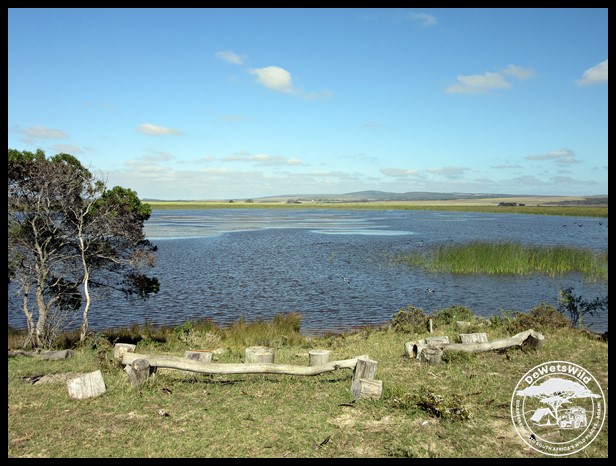
The De Hoop Vlei is an immense wetland fed by the Sout (Salt) River, cut off from the sea by a 2km wide field of white sand dunes. The vlei hosts an enormous number and variety of water birds.

Koppie Alleen is the most easily accessible beach in De Hoop Nature Reserve, and one of the most reliable spots in the country to watch Southern Right Whales which come here to calf and mate between June and November every year. Intertidal life thrives in the rock pools with their clear water – perfect for snorkeling – and the walk down to the beach from the parking area allows visitors to revel in the sight and smell of the fynbos vegetation.

The De Hoop Nature Reserve is managed by CapeNature and DeWetsWild can assist you with bookings in the accommodation and camping at Die Opstal (main camp) and Die Melkkamer across the vlei. It is wonderful to see wild animals and birds so tamely moving among the human visitors as here at De Hoop. There’s a restaurant and gift shop at the main accommodation complex, and fuel and supplies can be obtained in one of the nearby towns. Visitors to the western portion of the reserve have access to a limited gravel road network linking the entrance gate to the main visitor complex, the picnic area at Tierhoek, a couple of viewpoints over the wetland at De Mond, and Koppie Alleen. For the more energetic there’s numerous hiking and mountain bike trails leading from the main complex. Guided drives, walks and boat trips are also on offer.

The Potberg section of the reserve, about 20km away from the main complex, was incorporated into the reserve in 1978 and is a popular day hiking destination. Potberg is also the starting point for the very popular Whale Trail, taking hikers through beautiful mountain, fynbos and seaside scenery for 55km over five nights (spent in well equipped and recently upgraded accommodation) before ending at Koppie Alleen. An environmental education centre at Potberg caters to the needs of visiting school groups and youth clubs. The breeding colony of Cape Vultures on the Potberg Mountain is the last of its kind in the Western Cape and the enormous birds can usually be seen flying overhead.

Seeing that it was simply too hot to go hiking while we were at Postberg but it was still too early to head back to our farm cottage at Aloe Canyons, we decided to go and check out one of the other nearby attractions in the Overberg – one of the very few pontoon ferries still operating in South Africa, the one across the Breede River at Malgas.

Location of De Hoop Nature Reserve, roughly 260km (3 hours) east of Cape Town