In October 2024 I had the immense pleasure of hosting long-time blogging friend John Steiner (of Journeys with Johnbo), his wife Lynn, John’s niece Patricia Broesder and her husband Gary on a tour of Cape Town and the Kruger National Park. In Kruger we were joined by colleagues Hannes Rossouw and Irving Knight, both experts in their respective fields.
Seeing Lions in the wild remains a highlight for anyone on safari, whether it is your first trip or your 100th. I knew that combining Satara and Skukuza on our 6-night trip to Kruger with the Steiners and Broesders would give us an excellent chance of encountering the big cats, and it was wonderful to see our first pride while we were still on our way from the airport at Skukuza to Satara, having just passed Tshokwane on our way northwards.

Lionesses just north of Tshokwane
Next morning, we encountered the males ruling the surroundings of Satara just after we left the camp. The white lion who is part of this four member coalition was also there but we couldn’t make out much more of him than a twitchy ear where he was lying hidden behind a thorn bush.

Male lion just outside Satara
We were still on our way to Tshokwane, where we were planning on having brunch, when we found a trio of lionesses giving up their spot in the shade to try and hunt a nyala bull, without success.

Three lioness hiding in the shade – can you see all three?

Trying to hunt a nyala bull

Trying to hunt a nyala bull

Trying to hunt a nyala bull
On the afternoon of our arrival at Skukuza, and after taking a quick detour to collect Hannes’ vehicle from the Skukuza airport where a fire was raging, Irving got a report of a leopard on a kill at De La Porte Waterhole just a few kilometres to the south of camp. When we got there however the leopard had been chased off its prey by a lioness and hyena, who by this time was having a stare-off at the waterhole. A second lioness appeared and the two then headed to a nearby koppie, crossing the road very near to our vehicle.

Hyena eyeing a lioness at a waterhole

Hyena eyeing a lioness at a waterhole

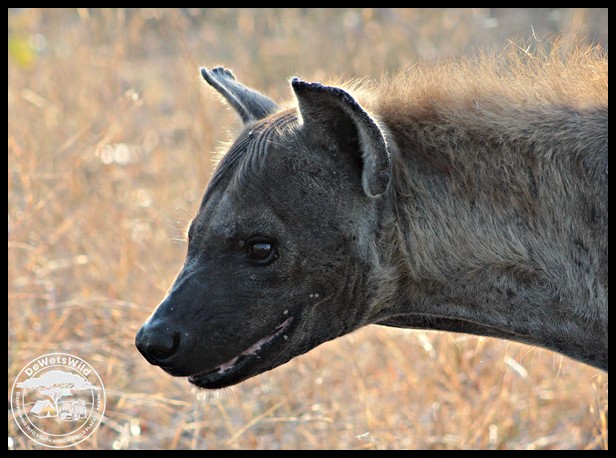
Spotted Hyena turning tail

Lioness looking up from her drink

Lioness on the move

Lioness on the move

Lioness on the move

Lioness on the move

Second lioness getting up from her hiding spot

Second lioness getting up from her hiding spot

Lioness on the move

Lioness on the move
Late one morning as we were heading back towards Skukuza along the Sabie River, after having brunch at Nkuhlu, we came across a pride of lions with two sets of cubs born a month or two apart. While the females made an unsuccessful attempt at hunting kudus and impalas right next to the road the cubs came following from behind, trying as desperately as their little legs allowed to keep up with their mothers.

lazy here, these lions attempted a hunt just a few minutes later

Lioness on the move, looking for something to hunt

Lioness on the move, looking for something to hunt

Lioness on the move, looking for something to hunt

Lioness locked on her target

Tiny Lion cub

Tiny Lion cubs

Tiny Lion cubs

Lioness and older cub

Lioness
We found the pride still in the same general area later that afternoon, though now a lot less active.

Pride of lions in the bed of the Sabie River
Taking our guests to the Skukuza airport for their flight back to Johannesburg and ultimately Europe for the next leg of their journey offered one last glimpse of lions just 3km from camp, though we couldn’t stay long for fear of being boxed in by the number of vehicles building up at the sighting.

Glimpse of a lioness lying on the bank of the Sabie River
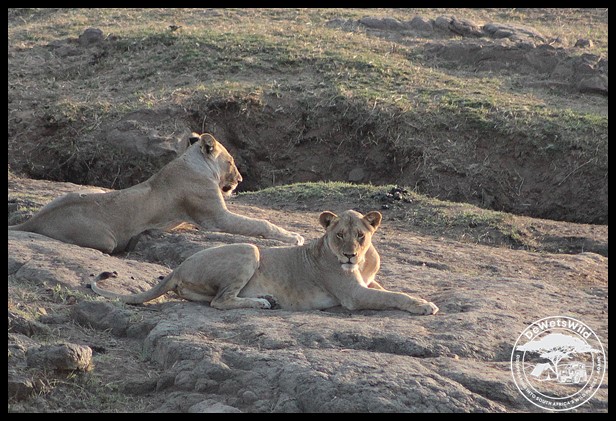
Up at Shingwedzi there was only a couple of pools of water remaining in the Shingwedzi River at the end of the dry season, and the lions were making good use of this fact to wait for their prey to come to them. Sometimes they were lying out in the open and other times they were hiding in ditches or behind clumps of vegetation, but almost inevitably some time spent scanning the surroundings of the pool would eventually reveal the tawny bodies lying in wait.

Lionesses at the Tinyarhini Waterhole in the Shingwedzi River

Lionesses at the Tinyarhini Waterhole in the Shingwedzi River

Lionesses at the Tinyarhini Waterhole in the Shingwedzi River

Lioness at the Tinyarhini Waterhole in the Shingwedzi River

Lioness at the Tinyarhini Waterhole in the Shingwedzi River

Lioness at the Tinyarhini Waterhole in the Shingwedzi River

Well hidden Lionesses at the Dipeni Waterhole in the Shingwedzi River

Lionesses at the Dipeni Waterhole in the Shingwedzi River
I am a fully accredited and legally registered tour guide (with all the necessary insurance, professional drivers license and first aid certification) – don’t hesitate to reach out if you’d like me to arrange a guided tour of beautiful South Africa and all her natural wonders, like the Kruger National Park, for you as well, or even just to assist with your holiday reservations for our national parks and nature reserves throughout the country.



















 DeWetsWild