Tag Archives: nature

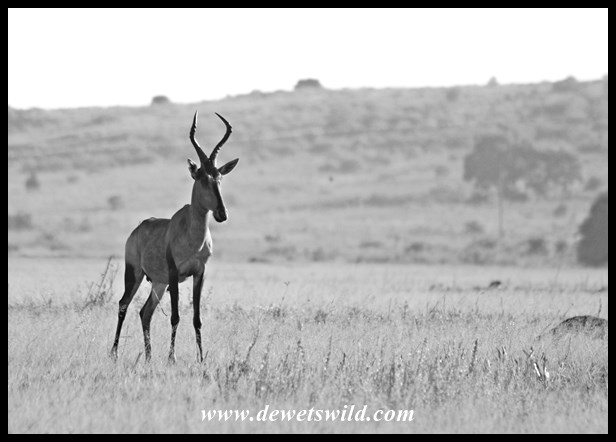
A month of monochrome memories: Proud Hartebeest

Standing tall and proud, a red hartebeest surveys the Rietvlei Nature Reserve for hidden predators.

Rietvlei 06122015 (5)

Our end-of-year 2015 holidays were absolutely packed to the brim. Apart from our ten-day visit to the Kruger National Park (read more about our time at Lower Sabie, Olifants and Shingwedzi in December), we also made day trips to five other reserves, and will be sharing photos from those (except Suikerbosrand, which we introduced in a post all of its own) daily through the month of February, in a series we call “a month of monochrome memories”.

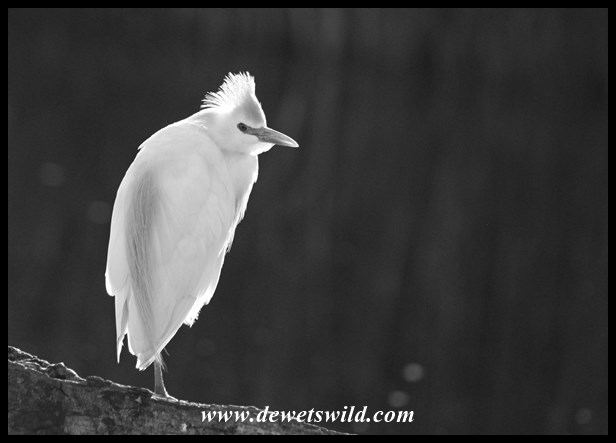
A month of monochrome memories: Egret Style

A Western Cattle Egret, in full breeding plumage, soaking up the early morning sun at the Otter Bridge in Rietvlei Nature Reserve.

Rietvlei 06122015 (3)

Our end-of-year 2015 holidays were absolutely packed to the brim. Apart from our ten-day visit to the Kruger National Park (read more about our time at Lower Sabie, Olifants and Shingwedzi in December), we also made day trips to five other reserves, and will be sharing photos from those (except Suikerbosrand, which we introduced in a post all of its own) daily through the month of February, in a series we call “a month of monochrome memories”.

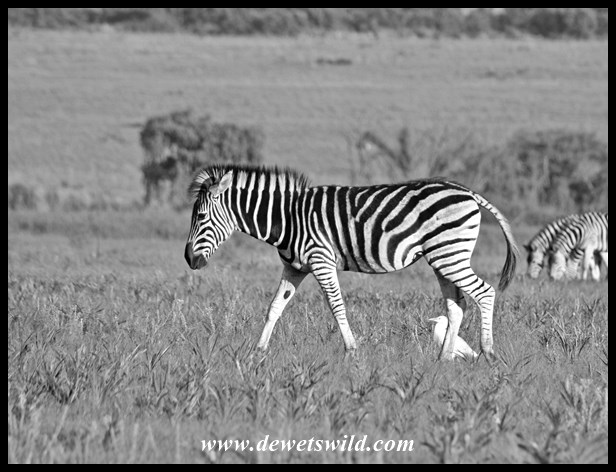
A month of monochrome memories: Stripes

Plains zebras makes excellent photographic subjects, and are regularly encountered in Rietvlei Nature Reserve in Pretoria.

Rietvlei 06122015 (2)

Our end-of-year 2015 holidays were absolutely packed to the brim. Apart from our ten-day visit to the Kruger National Park (read more about our time at Lower Sabie, Olifants and Shingwedzi in December), we also made day trips to five other reserves, and will be sharing photos from those (except Suikerbosrand, which we introduced in a post all of its own) daily through the month of February, in a series we call “a month of monochrome memories”.

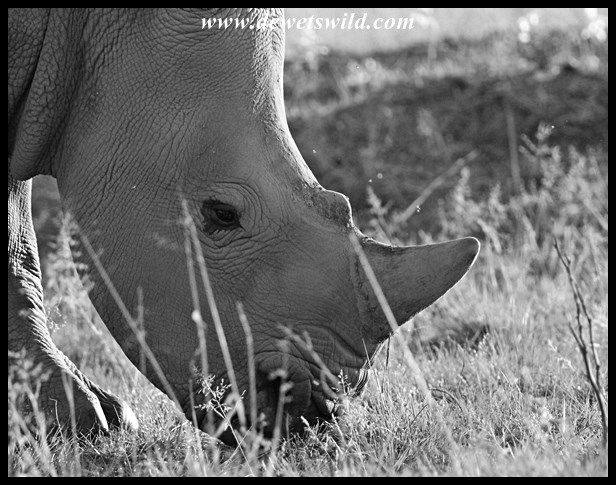
A month of monochrome memories: Rietvlei Rhino

True to our nature, we spent my birthday in early December at Rietvlei Nature Reserve, where a group of white rhinos greeted us close to the gate.

Rietvlei 06122015 (1)

Our end-of-year 2015 holidays were absolutely packed to the brim. Apart from our ten-day visit to the Kruger National Park (read more about our time at Lower Sabie, Olifants and Shingwedzi in December), we also made day trips to five other reserves, and will be sharing photos from those (except Suikerbosrand, which we introduced in a post all of its own) daily through the month of February, in a series we call “a month of monochrome memories”.

A month of monochrome memories: Prinia Lunchtime

A tiny Tawny-flanked Prinia showing off its even smaller grasshopper-meal at the Austin Roberts Memorial Bird Sanctuary in Pretoria.

Austin Roberts 22112015 (3)

Our end-of-year 2015 holidays were absolutely packed to the brim. Apart from our ten-day visit to the Kruger National Park (read more about our time at Lower Sabie, Olifants and Shingwedzi in December), we also made day trips to five other reserves, and will be sharing photos from those (except Suikerbosrand, which we introduced in a post all of its own) daily through the month of February, in a series we call “a month of monochrome memories”.

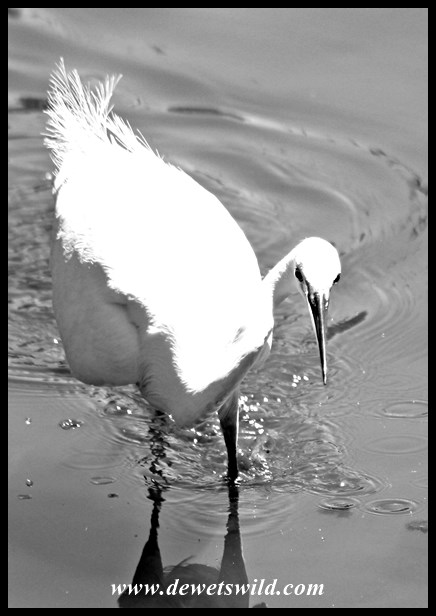
A month of monochrome memories: Hunting Little Egret

Austin Roberts Memorial Bird Sanctuary is a haven for several kinds of herons and egrets, going about their business rather unperturbed by the presence of human spectators. The hunting technique of the black heron we enjoyed close-up views of there was a special treat, and quite unlike the side-ways bobbing head movements employed by this hunting Little Egret in zoning in on its prey.

Austin Roberts 22112015 (2) Austin Roberts 22112015 (4)

Our end-of-year 2015 holidays were absolutely packed to the brim. Apart from our ten-day visit to the Kruger National Park (read more about our time at Lower Sabie, Olifants and Shingwedzi in December), we also made day trips to five other reserves, and will be sharing photos from those (except Suikerbosrand, which we introduced in a post all of its own) daily through the month of February, in a series we call “a month of monochrome memories”.

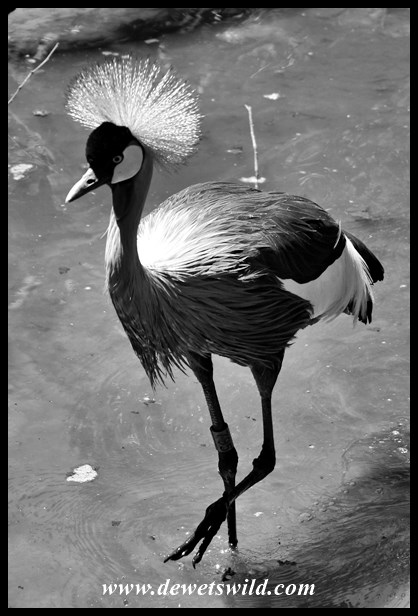
A month of monochrome memories: Metro Mahem

The tiny Austin Roberts Memorial Bird Sanctuary is one of the city of Pretoria’s gems, and the reserve’s flock of Grey Crowned Cranes (known as “mahem” in Afrikaans) must be among the most photographed of their species.

Austin Roberts 22112015 (1)

Our end-of-year 2015 holidays were absolutely packed to the brim. Apart from our ten-day visit to the Kruger National Park (read more about our time at Lower Sabie, Olifants and Shingwedzi in December), we also made day trips to five other reserves, and will be sharing photos from those (except Suikerbosrand, which we introduced in a post all of its own) daily through the month of February, in a series we call “a month of monochrome memories”.

Crimson-breasted Shrike

Laniarius atrococcineus

The Crimson-breasted shrike is a small (53g, 25cm) insectivorous bird native to the drier north-western regions of South Africa and neighbouring Botswana, Namibia and Zimbabwe, where it can be found in thorny savanna thickets. They are monogamous and pairs defend a territory throughout the year, though breeding occurs mainly in the summer months. They build their nests of bark and spiderwebs.

The striking scarlet, black and white plumage of the Crimson-breasted Shrike is a perfect fit for this week’s WordPress Photo Challenge “Vibrant“.

Optimistic

When we’re out exploring South Africa’s wild places, the world’s problems seem a little further away…

Optimistic” is this week’s WordPress Photo Challenge theme.

Suikerbosrand Nature Reserve

Suikerbosrand Nature Reserve is one of the largest and most popular wild places in Gauteng, South Africa’s most urbanised province, providing vital environmental education and outdoor recreation to thousands of overworked city dwellers.
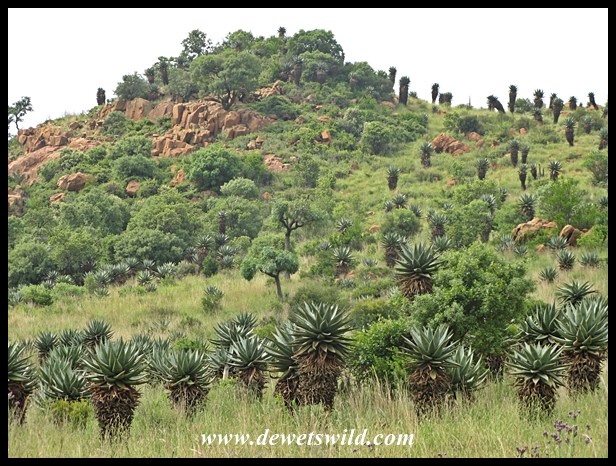
Suikerbosrand (5)

Proclaimed in 1974 and substantially enlarged in 2003, Suikerbosrand is managed by the Gauteng Department of Agriculture and Rural Development. Today it protects 220km² of scenic highveld grassland, rich in flowering plants and grasses, interspersed with areas of thorny bushveld, aloe forests, wooded gorges and marshland. The reserve is named after the Suikerbosrand range of hills (1,545 to 1,917m above sea level), which in turn is named for the Sugarbush (Protea caffra) that’s quite common in the area.

More than 250 bird species have been recorded at Suikerbosrand, and several species of non-threatening indigenous large game animals have been introduced. There is also an abundance of smaller mammals and reptiles, including a few venomous snakes, that find protection here.

Hiking is a big attraction at Suikerbosrand, with day trails ranging from the 800m long Toktokkie trail, accessible in wheelchairs, and the 4km long Cheetah Trail to the 10 or 17km Bokmakierie Trail, while overnight hikes that take up to 6 days to complete along a 66km network of trails, with basic huts to sleep in, can also be undertaken. The reserve is immensely popular with the cycling fraternity, especially so on weekends and holidays, and due care is required wherever vehicles and cyclists have to share the roads. The reserve has a network of approximately 60km good tar road that traverses most of the area’s habitats, allowing good game- and bird viewing. Two picnic areas cater to the needs of day visitors. At the time of our last visit (December 2015), the Kareekloof Resort, which used to offer options to overnight in the reserve in addition to the usual holiday resort amenities, was closed with no indication as to when, or if, it will reopen. Sadly, the same applied to the information centre at Diepkloof, the reserve headquarters.

Suikerbosrand is easily accessible from the N3 highway, just north of the town of Heidelberg, south-east of sprawling Johannesburg.
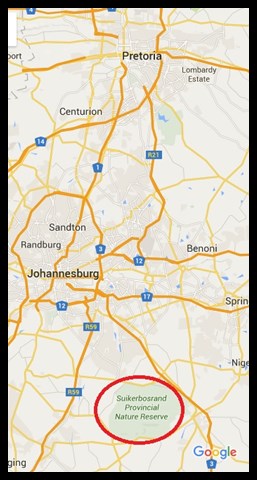
Road to Suikerbosrand