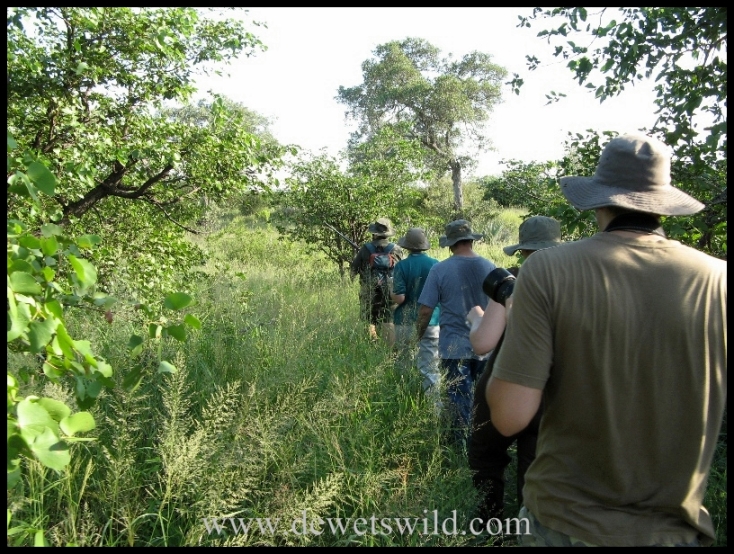
“Everyday Life” certainly depends on your perspective – to us de Wets this guided walking trail near Letaba in the Kruger National Park was a memorable and exciting experience, for the two ranger-guides it was just another day on the job (albeit a job they are very passionate about!)
Tag Archives: Kruger National Park
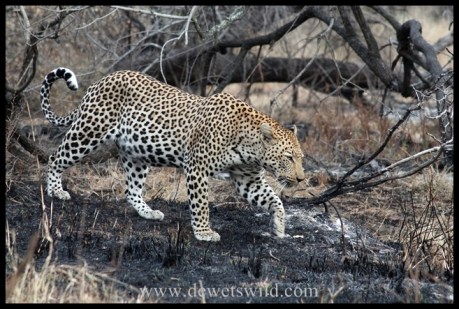
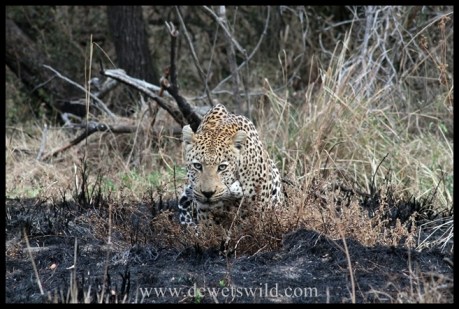
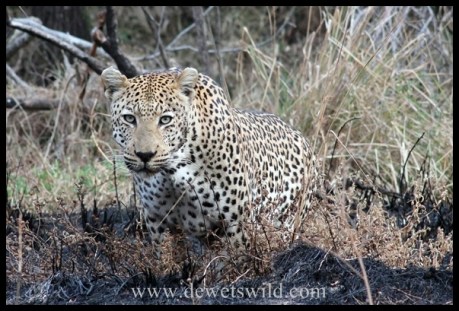
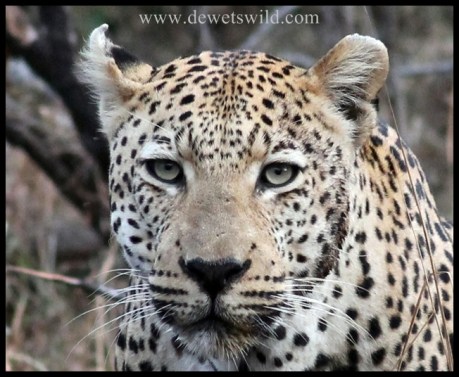
Leopard Sighting 24 July 2012
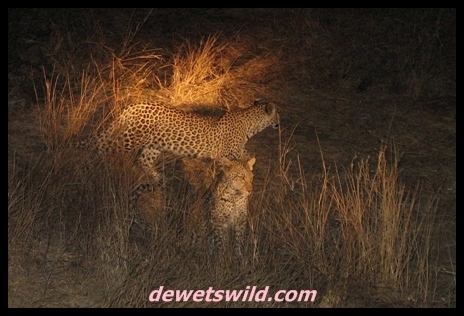
A picture paints a thousand words, or so the often used cliche goes. And then sometimes Mother Nature dishes up a feast so grand that words alone cannot describe the experience nearly adequately enough. This recent sighting of a pair of leopards in the early light of 24 July 2012, on the Marula Loop near Skukuza in the Kruger National Park, ranks as one of my most memorable wildlife encounters ever.


Shingwedzi, Kruger National Park
Heaven could definitely be a place on earth. It is called Shingwedzi.

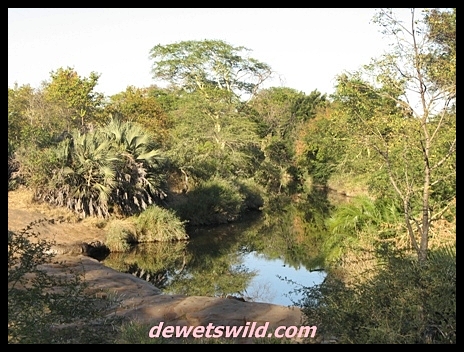
Shingwedzi is our favourite rest camp in the Kruger National Park. Located in the far north of the Park, on the bank of the Shingwedzi river, it’s as far away from the hustle and bustle of the city as you could hope to get.

Shingwedzi feels genuinely untouched by the passing of time. The exteriors of the huts built when the camp first opened in the 1930’s have remained largely unchanged, though the interiors have been modernized over the years, and the camping area is very, very spacious. Over the years additional accommodation units and facilities have been provided and these days the camp has a restaurant with a thatched veranda overlooking the river, a medium-sized shop stocked with curios and basic commodities and a filling station, while the swimming pool offers welcome respite from the heat of Shingwedzi’s tropical summers. None of the additions however has detracted from Shingwedzi’s old-world charm.
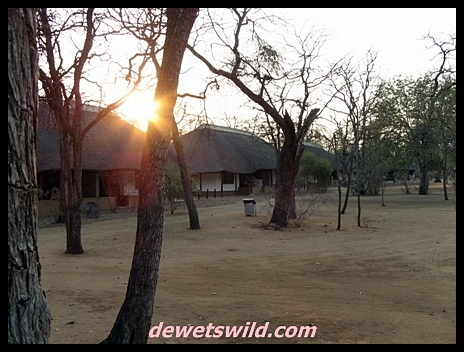
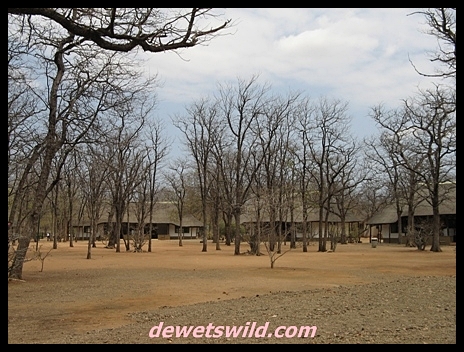
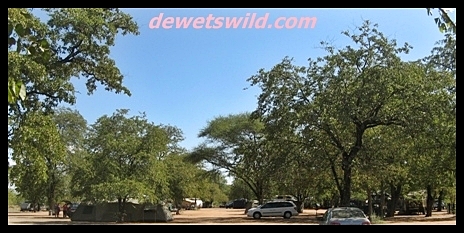
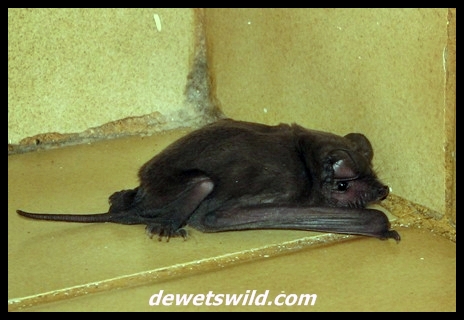
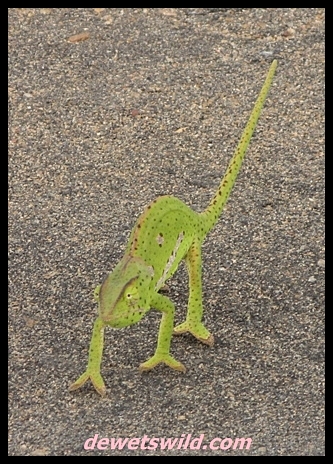
Inside the camp, small animals and birds abound and have become quite accustomed to having people in close proximity, providing excellent photographic opportunities.

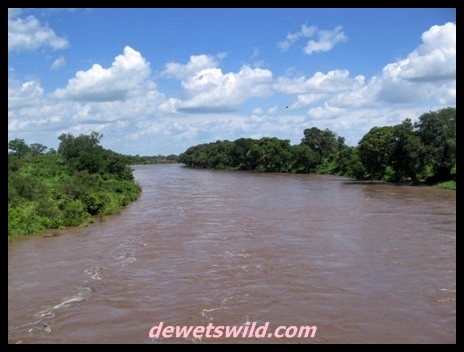
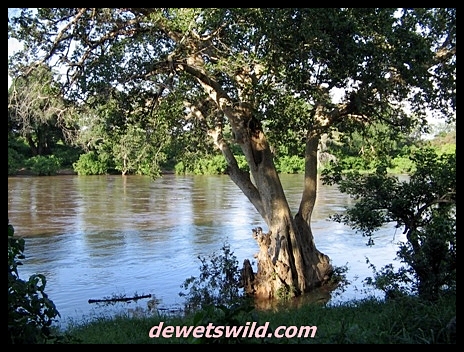
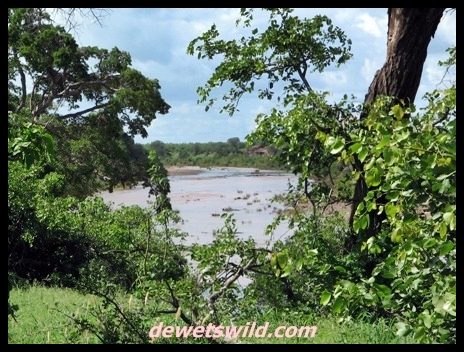
The Shingwedzi is a temperamental river; devoid of surface water for most of the dry season it can quickly swell to incredible dimensions after a deluge. We witnessed one such flash flood in January 2006; the pictures below were taken one day apart:

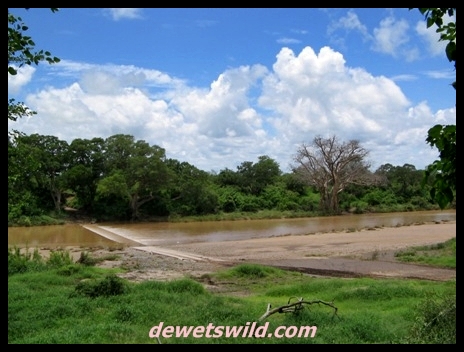
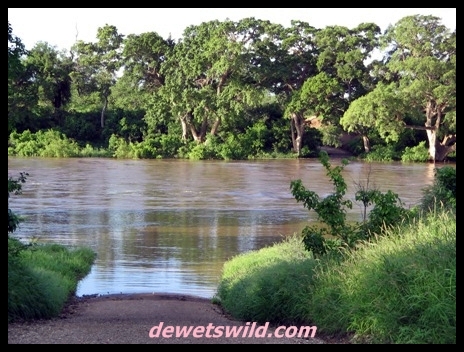
The low level causeway across the river outside Shingwedzi’s southern gate is a particularly beautiful spot to while away the last minutes just before the gates close in the evening, and there’s always some interesting birds and animals in the vicinity.

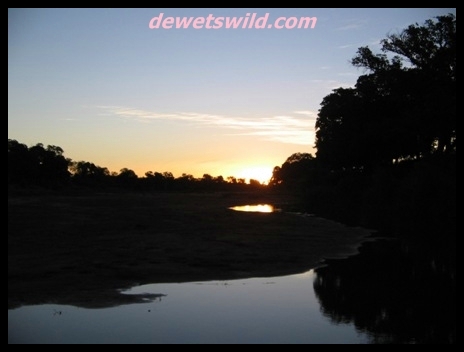
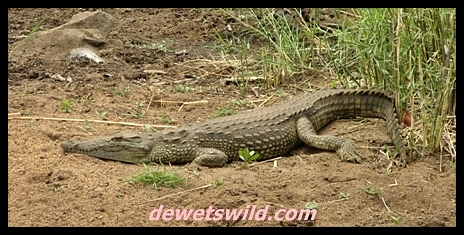
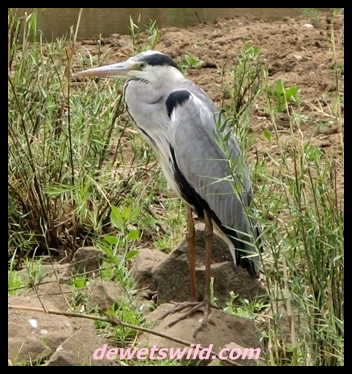
There are three excellent game-viewing drives to undertake from Shingwedzi. The first, to the south-west (road S52), follows both the southern and northern banks of the Shingwedzi river towards the Tshange viewpoint. The spectacular cliffs and pools at Red Rocks are well worth the short detour along the way.
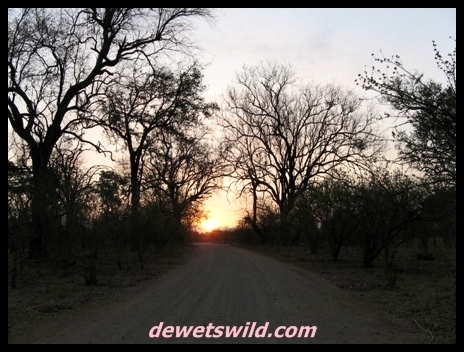
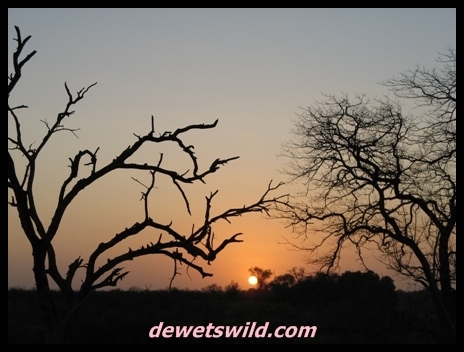
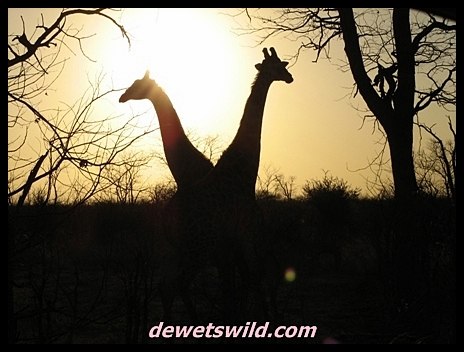
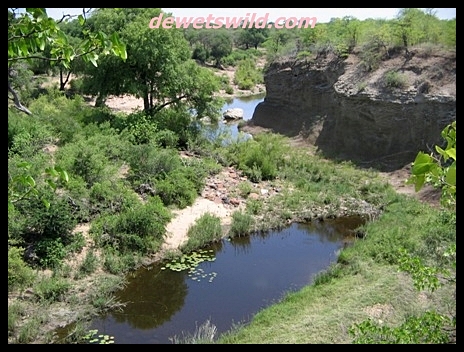


The second route (S56) follows the course of the Mphongolo river to the north, through beautiful riverine woodland, and ends at the Babalala picnic site.
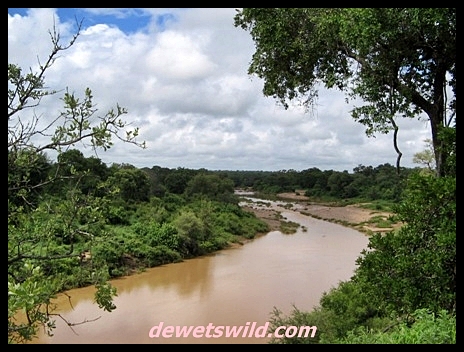
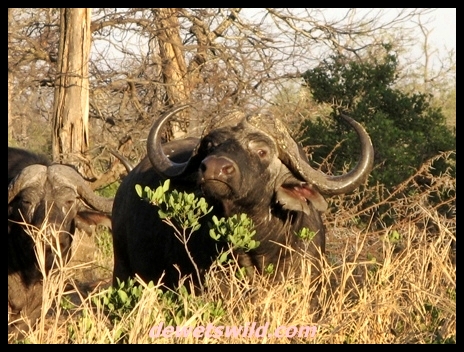
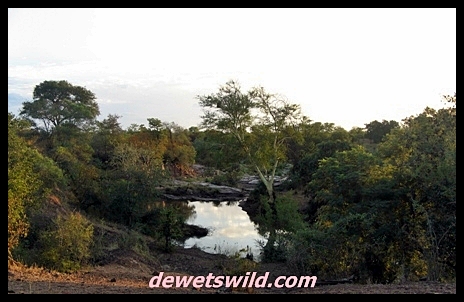
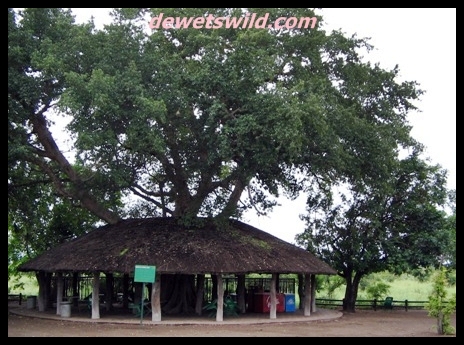
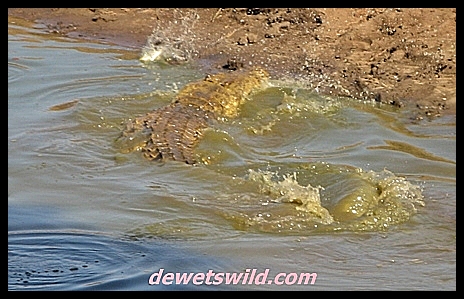
Our favourite Kruger Park route of all (the S50) follows the Shingwedzi River in a south-easterly direction towards the Lebombo Mountains. Numerous little loops offer peaceful vantage points over the waters of the Kanniedood Dam and the hides at Nyawutsi and Kanniedood are enjoyable alternatives to driving around. Along this route we’ve often seen crocodiles using their bodies to herd schools of fish to the bank where they can then be picked off easily.

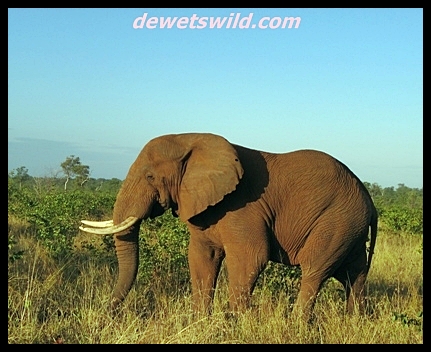
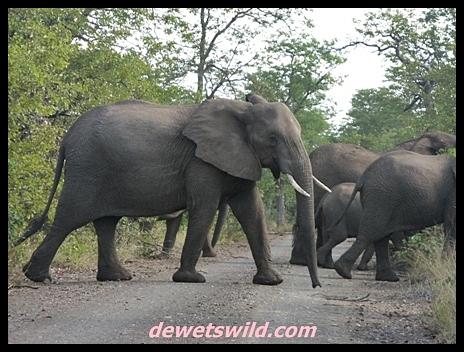
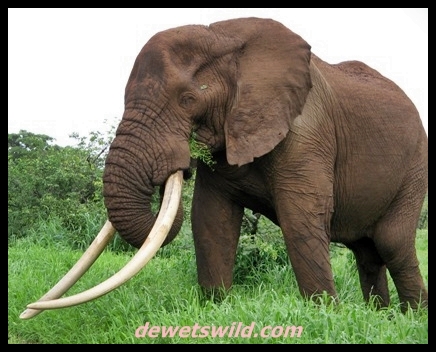
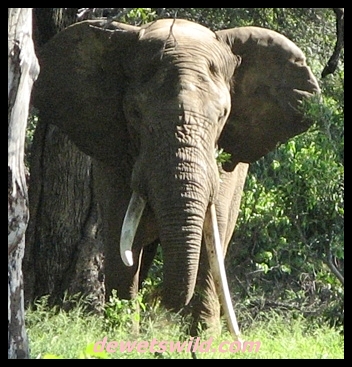
This is elephant country. Large breeding herds, bachelor groups and lone bulls can be expected along any of the drives that radiate from Shingwedzi, and not all of them are equally happy to share their living space with curious humans so are best appreciated from a safe distance. Over the years we’ve had the pleasure of encountering a number of elephant bulls carrying extraordinary ivory whilst staying at Shingwedzi.

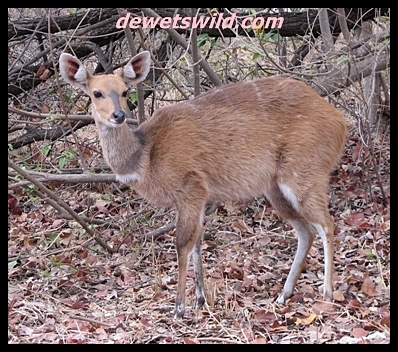
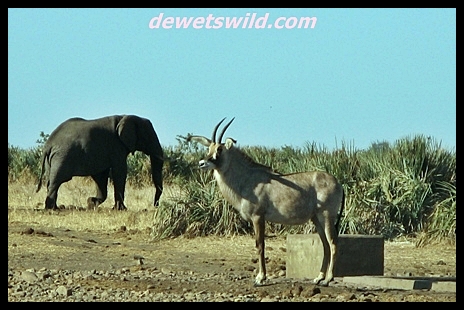
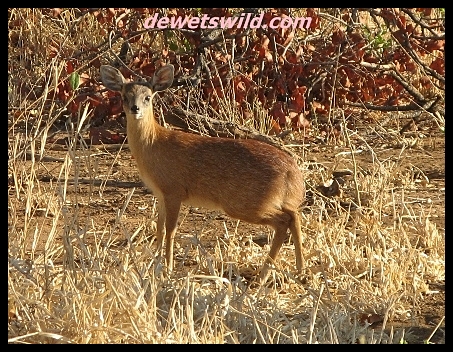
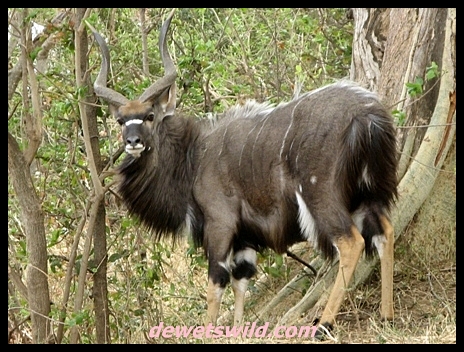
Another reason why we like Shingwedzi so much is that you have a very good chance of getting good sightings of the rarer antelope species that occur in the Kruger National Park.
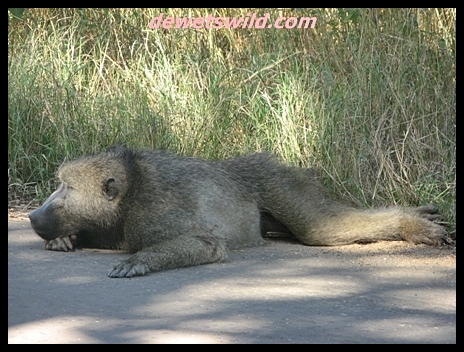
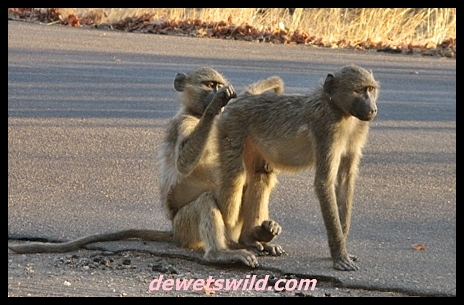
In the late afternoon one often find baboons and vervet monkeys lounging in and under the large trees on the river banks, getting ready for the dark of night ahead. Their antics can keep you entertained for hours.
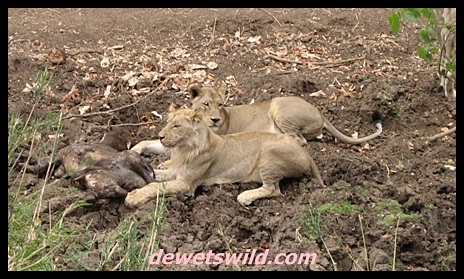
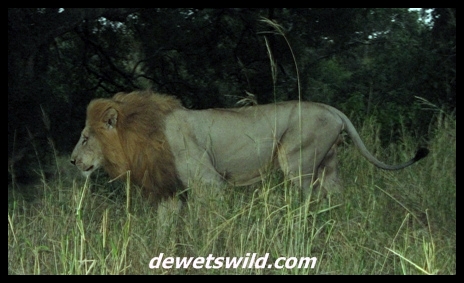
In the far north of Kruger, Shingwedzi is your best bet at finding Africa’s mega predators, with hyena, leopard and lion being relatively plentiful and often found along any of the roads in the region. Taking part in one of the guided night drives on offer often results in good sightings of these sought-after animals.

And now that I’ve pondered over all the reasons Shingwedzi’s so close to our hearts, I still can come to only one conclusion.
It’s true: Shingwedzi is heaven on earth.

Kruger Park Day Visit: 11 June 2012
“Nants ingonyama bagithi Baba…”
With the soundtrack to Disney’s animated movie “The Lion King” spurring us on, we’re heading through the dark to reach the Orpen Gate as soon as it opens. While we’re staying at Forever Resorts Swadini there’s no way we can be this close to the Kruger National Park and not make time for a visit.
Despite the strong wind blowing for much of the day we had a lovely time – as always – with great animal and bird sightings and a very enjoyable picnic in Satara. After a full day in paradise we hung around the vicinity of Orpen as long as we could before the gates closed again and we had to be on our way.
By the way, “Nants ingonyama bagithi Baba” are the opening words of the Zulu chant at the start of the film, from the song “Circle of Life” and it means “Here comes a lion, Father” – a very fitting caption for the central plains of the Kruger National Park, around Satara and Orpen, where numerous lion prides rule over the savannah (though they eluded us this time).
Kruger National Park: 26 April to 1 May 2012
There’s no other way to explain it. Kruger National Park is an addiction.
I blame my parents and I will be forever grateful to them. My first night in the paradise that is the Kruger Park was in September 1983, at just four years old, camping at Pretoriuskop.
As with any decent addiction, the more you get the more you want – visit more often, stay for longer. And I’ve been only too happy to oblige. Every time I enter those gates I feel reborn, every time I leave I get depressed. In fact, if I didn’t already have the next visit planned so that I have something to look forward to there’s a good chance I wouldn’t be able to leave at all.
Worst of all is that we’ve gotten our son addicted too. Little Joubert was only eight weeks old when he had his first taste, also at Pretoriuskop, and in the two years since he has been back to Kruger 6 times (not to mention all the other reserves he’s been visiting with us) and been all over the Park from Pafuri Gate in the north to Malelane in the south. Absolute proof to the saying that the apple doesn’t fall far from the tree, our little two-year old gets excited weeks ahead of our next visit. He recognizes Skukuza, Letaba, Olifants and Satara from pictures and can identify a multitude of animals and birds, even from their calls. He recalls previous sightings at particular locations when we pass there again. Joubert carries his own little digital camera around, clicking away at anything from beautiful landscapes and elephants to insects, leaves and…dung, by which he is absolutely fascinated: every so often we have to stop at some or other poo-pile so that it may be thoroughly appreciated.
Our good friends the du Plessis’ joined us on our most recent visit, at the end of April 2012, to Skukuza and Satara.
We visited as many of our favourite spots as we could fit into the five days – Lake Panic bird hide near Skukuza, N’wanetsi and Timbavati Picnic Sites, Sweni bird hide, the S100 gravel road and the Girivana waterhole near Satara, the viewpoint in Olifants and the Elephant Hall in Letaba. Sadly another favourite, the low level causeway over the Olifants River at Balule was still out of commission following the January floods.
What follows is a selection of our photographs taken between the 26th of April and the 1st of May 2012 celebrating the serenity and beauty that the Kruger Park is so famous for.
Luckily for us our next short visit occurs in June!