Tag Archives: iSimangaliso Wetland Park

Resolved

We’re determined to continue spending as much time as we possibly can in South Africa’s wild places, whatever dangers there may lurk!

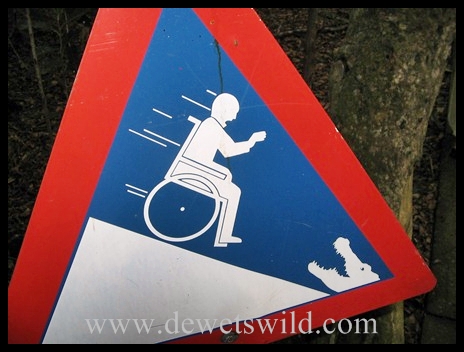
Resolved - Crocodiles

Humorous sign at the Saint Lucia Crocodile Centre, iSimangaliso Wetland Park

Resolved - Crow

Seen in the Giants Castle Game Reserve

Resolved - Dung Beetles

At the entrance to Ithala Game Reserve

Resolved - Elephants

Playful elephants in Hluhluwe-Imfolozi Park!

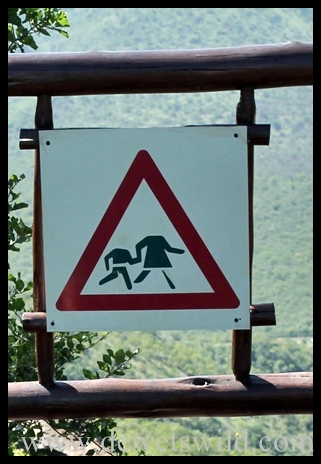
Resolved - Headless

Warning: haunted viewsite in Ithala Game Reserve

More entries in the “Resolved” challenge

Our 2012 in Pictures

For the final challenge of 2012, we decided to submit a selection of photographs of the various accommodation units we stayed in while exploring South Africa’s wild places this year (you can click on the images for a clearer view).

Have a look here for more submissions in this week’s challenge.

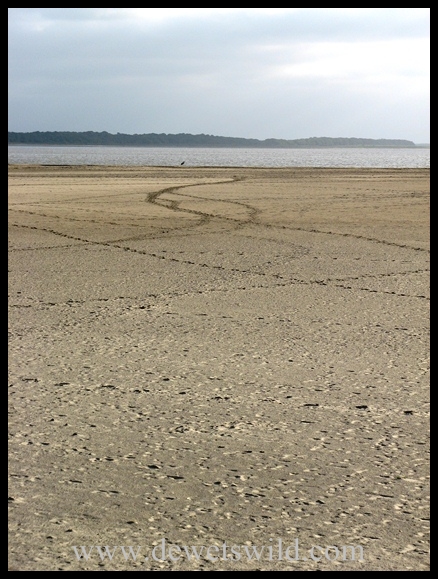
Delicate

A multitude of animal footprints crossing the delicate mud flats of Lake Saint Lucia, in the iSimangaliso Wetland Park.

Delicate

For more of this weeks challenge go to Weekly Photo Challenge: Delicate.

Texture in Nature

For this week’s Wild Weekly Photo Challenge for bloggers, by online adventure travel magazine LetsBeWild.com, themed “Texture in Nature“, we decided on submitting a collection of shots depicting the intertidal pools of the iSimangaliso Wetland Park. Few people fail to be fascinated by the wildlife hiding away in these seashore retreats – perhaps because it is a window into a world so vastly different from our own?

(click on an image to view the pictures in a carousel)


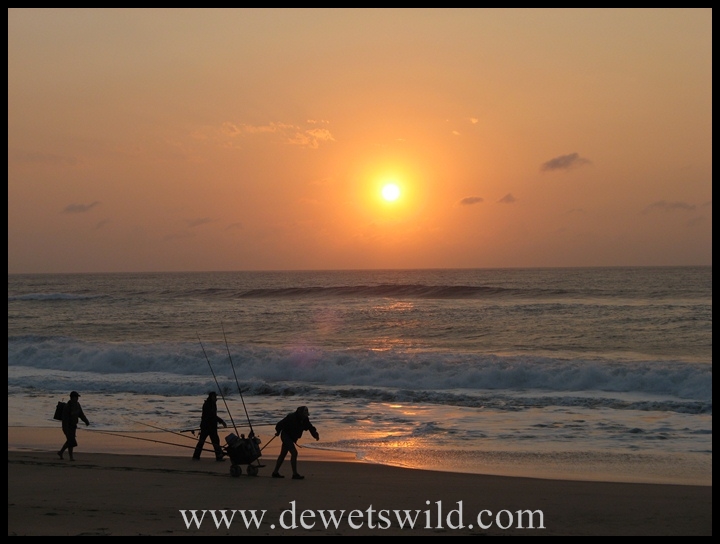
Thankful

We are extremely thankful to be living in a country so richly blessed with natural splendour – this picture taken at sunrise  on the beach at Cape Vidal in the iSimangaliso Wetland Park.

Green

A collection of images depicting the splendour of the natural vegetation found in South Africa’s wild places.

(click on an image to view the picture carousel):

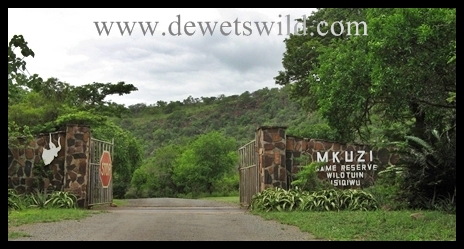
uMkhuze Game Reserve

Heaven to bird watchers and a paradise for photographers!

The uMkhuze Game Reserve, which celebrated its centenary on the 12th of February 2012, is today an integral part of the greater Isimangaliso Wetland Park (a World Heritage Site) and is one of South Africa’s most ecologically diverse conservation areas. It is located in the north of Kwazulu-Natal province, roughly 500 kilometres south-east of Johannesburg or 350 kilometres north of Durban, very near the N2-national highway which makes it a very easy-to-reach destination.

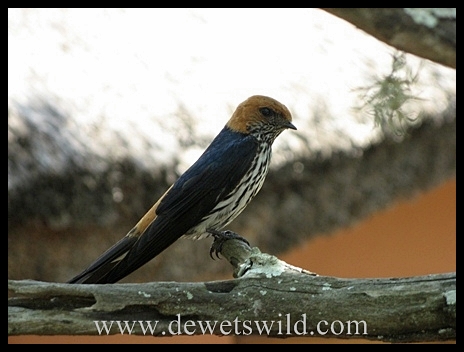
The reserve is probably best known as a mecca for bird watchers, with over 400 bird species having been identified here.

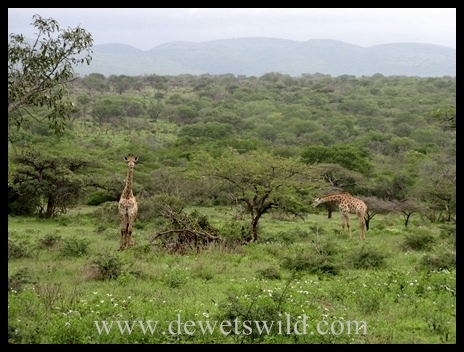
This abundant birdlife is attracted to the reserve by the wide array of habitats, stretching from the slopes of the Lebombo Mountains through gently rolling bushveld and dense woodlands to thick riparian forests, swamps and the magnificent watery expanse of Nsumo Pan.

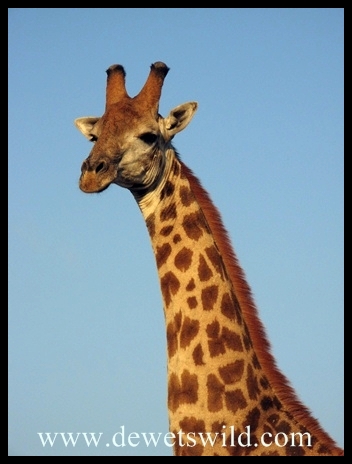
With the exception of lion, uMkhuze provides sanctuary to good numbers of almost all South Africa’s big game and large predators. (EDIT: Lions were reintroduced to uMkhuze in late 2013)

Photographers have been well catered for, with several hides and platforms available in which visitors can easily spend hours or even the entire day watching the continuous processions of animals and birds slaking their thirst at the water’s edge.

Mantuma is the main camp in uMkhuze. Here you will find a curio shop with basic items for sale, a swimming pool and the delightfully named “Rhino Dine-O” take-away kiosk catering to the needs of the reserve’s guests. The elegant nyala often make themselves at home amongst the huts in the unfenced Mantuma Camp. A spacious and very shady camping area at the Emshopi entrance gate accommodates up to 100 campers at a time.

uMkhuze Game Reserve offers so much to experience that there’s always something left to explore and that’s ample reason to return again and again!

Water

These are the fever-tree lined shores of Nsumo Pan, a vast wetland which is a central feature of the uMkhuze Game Reserve (which has recently been incorporated into the Isimangaliso Wetland Park).

We’re participating in LetsBeWild.com‘s Wild Weekly Photo Challenge. This week’s challenge is Water.

World Rhino Day 2012

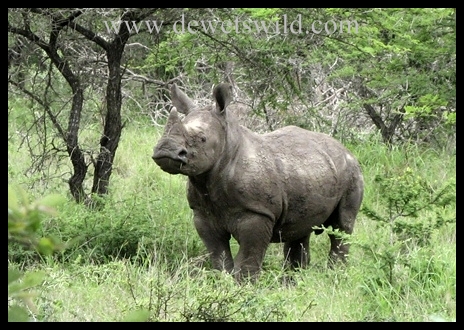
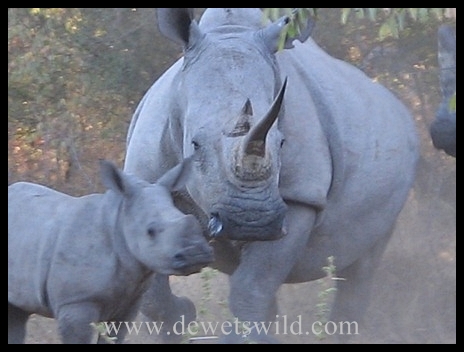
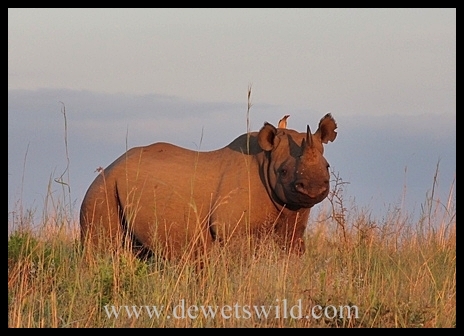
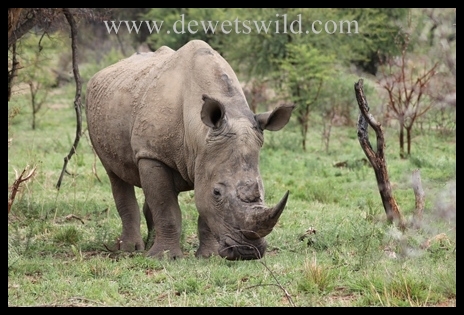
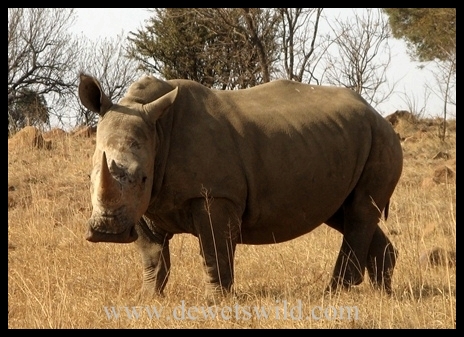
South Africa is home to both species of African rhinoceros: the extremely aggressive black rhino and the much more placid white rhino. Encountering either species during our visits to our country’s wild places is always a thrilling experience and losing these beautiful beasts forever, due to human greed and superstition, is a thought too terrible to ponder.

As I post these images I cannot help but wonder whether the individual animals they depict are still alive and well?

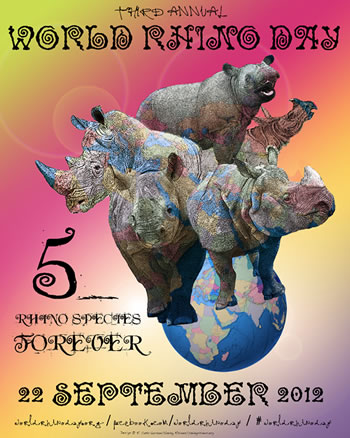
The 22nd of September 2012 is internationally celebrated as World Rhino Day. The message that rhinoceros horn holds no curative or aphrodisiac properties needs to be spread loud and clear so that the market for rhino horn can be wiped out, and it cannot happen soon enough. There are many people from all over the world and from all walks of life working tirelessly, and even putting their own lives in the firing line, to protect these magnificent creatures from savage poachers, but the onslaught from the organised crime syndicates continue unabated – so far this year we’ve lost at least 381 rhinoceros through poaching in South Africa alone (according to the official figures published in September 2012).

Please lend your support by spreading the message of World Rhino Day to the world.

Cape Vidal and the Eastern Shores of Lake Saint Lucia (August 2012)


A testament to the resilience of nature!
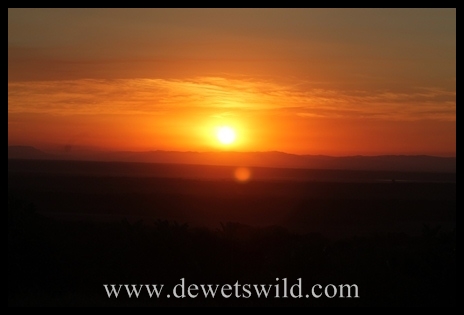
 

During August 2012, we had the pleasure of returning to one of our favourite nature destinations: Cape Vidal, situated in the iSimangaliso Wetland Park on the northern coastline of South Africa.

Cape Vidal is a popular beach resort, and not without reason. The unspoilt beach stretches as far as the eye can see and the warm blue waters of the Indian Ocean provide endless opportunity for swimming, snorkelling, fishing etc.
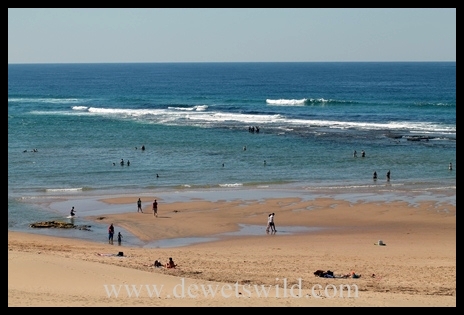
The beach at Cape Vidal

The beach at Cape Vidal

We frequently visit the area and it was an immense pleasure to see how quickly nature is claiming back its rightful place following the removal of the exotic and thirsty pine plantations which, not so long ago, covered huge tracts of land here on the eastern shores of Lake Saint Lucia. Large wetlands have re-appeared and now play host to big flocks of waterfowl, pods of hippopotamus and numerous crocodiles.
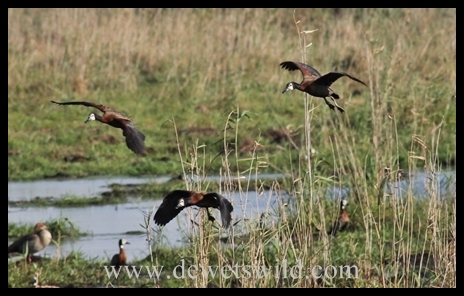
Whistling Ducks

We were also delighted to experience many of the new amenities that the Park authorities have built for visitor’s enjoyment. At Catalina Bay a viewing platform overlooking Lake Saint Lucia is the perfect spot for sundowners and one can easily spend hours at the new photographic hide overlooking the Mfazana Pan.

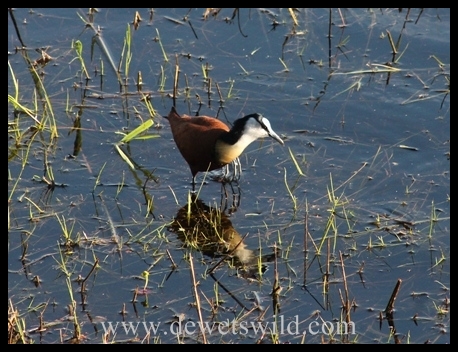
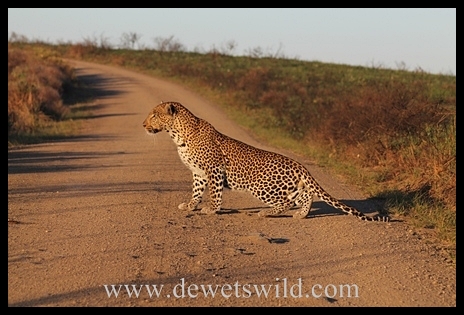
We had excellent leopard sightings during our three day visit, seeing no less than five different individuals. The best by far was of a beautiful male ambushing four warthogs in the early morning as they bolted from the hole in which they spent the night before, only to have the tables turned on him and being chased back into the forest by the bold hogs.

We were amazed to find a colony of fruit bats hanging above the parking spot at our chalet accommodation – normally the daytime roosts of these creatures are very difficult to spot.

A pair of bushpigs also paid us a visit one evening as we were enjoying dinner outside.
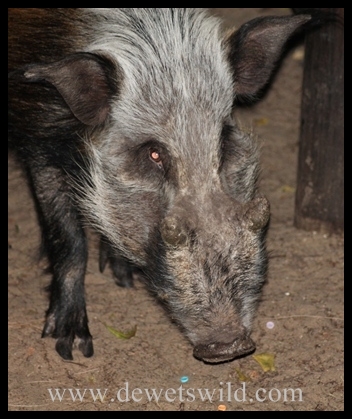
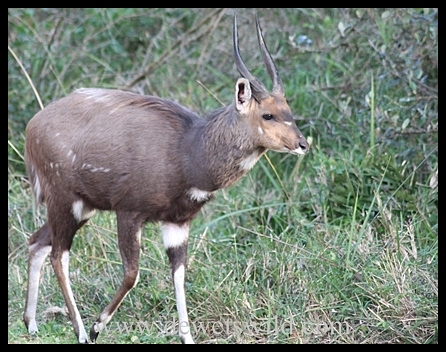
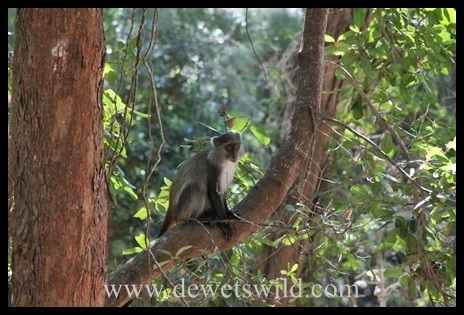
Bushbuck and samango monkeys are frequently seen both in the camp and while driving around, and reedbuck occur in large numbers in the swamps and reed beds that surround the lake and pans.
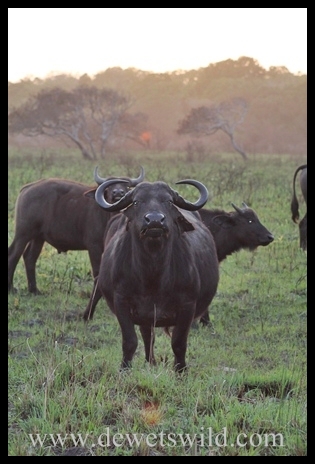
There are a number of large buffalo herds in the area and they are not always happy to have humans in vehicles interrupt their grazing.
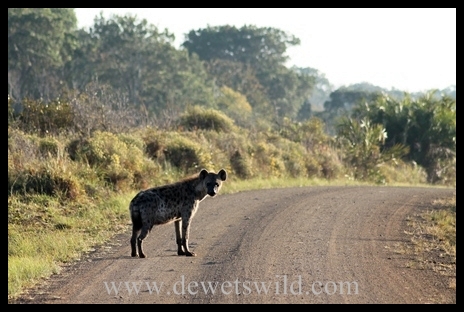
A real surprise find was the female spotted hyena we encountered on a gravel loop road early one morning – we followed her for several kilometres and watched as she attacked, without success, a small group of reedbuck before disappearing from sight.
iSimangaliso means “miracle and wonder” and it is one of South Africa’s most diverse nature reserves. Cape Vidal is an excellent base from which to explore a most beautiful part of it and there’s no doubting that we’ll return as often as we possibly can.