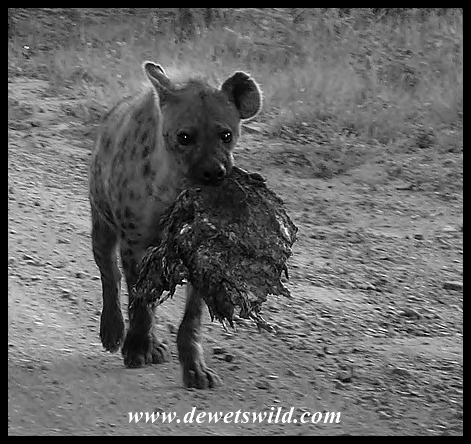
A spotted hyena heading for home at first light in the Hluhluwe-Imfolozi Park, and carrying with him a sizable chunk of wildebeest…
WordPress’ new theme for their weekly photo challenge is “Eerie“
A spotted hyena heading for home at first light in the Hluhluwe-Imfolozi Park, and carrying with him a sizable chunk of wildebeest…
WordPress’ new theme for their weekly photo challenge is “Eerie“
Our little wildlife photographer working hard for a warthog portrait at Mpila, in the Hluhluwe-Imfolozi Park
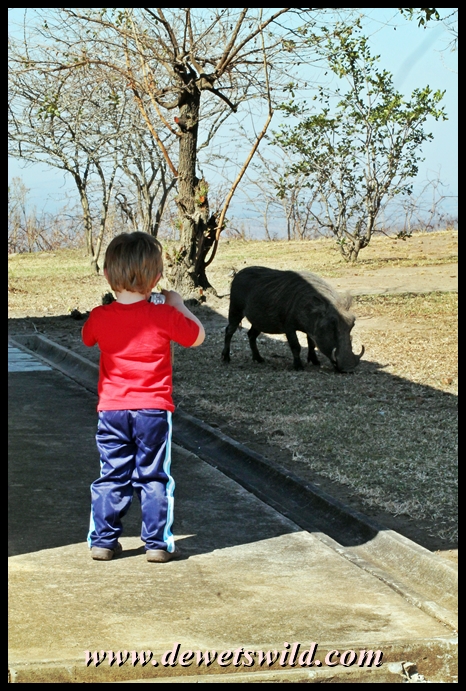
“An unusual point of view” is this week’s photo challenge from WordPress
It’s scenery like this that causes us to return to one of South Africa’s wild places at every opportunity, and why we pine for the bush whenever we cannot be there. This photograph was taken in the Hluhluwe-Imfolozi Park and shows a guided sunset drive about to cross the Black-Imfolozi River.
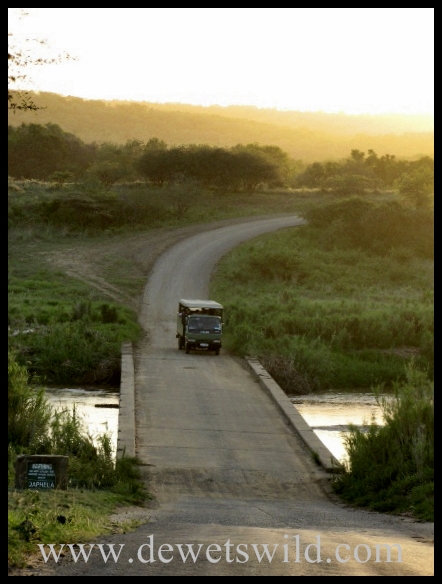
We’re participating in the online adventure travel and photography magazine LetsBeWild.com‘s Wild Weekly Photo Challenge for bloggers. This week’s challenge is “Wanderlust“
We’re determined to continue spending as much time as we possibly can in South Africa’s wild places, whatever dangers there may lurk!
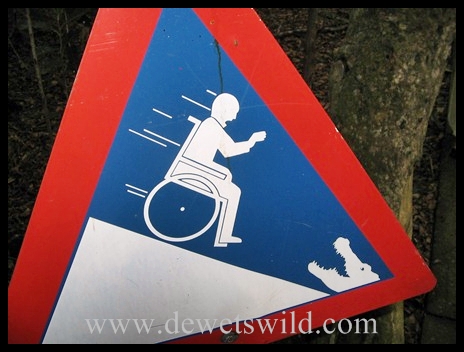
Humorous sign at the Saint Lucia Crocodile Centre, iSimangaliso Wetland Park

Seen in the Giants Castle Game Reserve

At the entrance to Ithala Game Reserve

Playful elephants in Hluhluwe-Imfolozi Park!
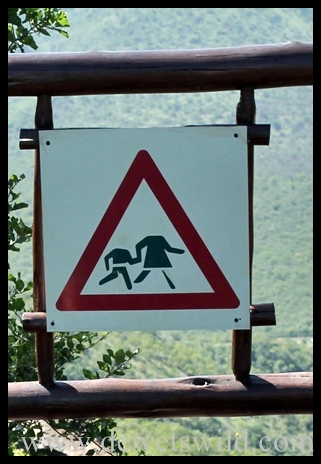
Warning: haunted viewsite in Ithala Game Reserve
For the final challenge of 2012, we decided to submit a selection of photographs of the various accommodation units we stayed in while exploring South Africa’s wild places this year (you can click on the images for a clearer view).


Have a look here for more submissions in this week’s challenge.
We’re participating in LetsBeWild.com‘s Wild Weekly Photo Challenge. This week’s challenge is Sunsets and we are submitting this collection of sunset pictures taken in South Africa’s wild places.
(click on an image to view the picture carousel)


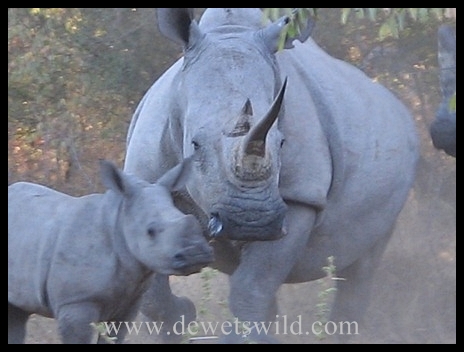
South Africa is home to both species of African rhinoceros: the extremely aggressive black rhino and the much more placid white rhino. Encountering either species during our visits to our country’s wild places is always a thrilling experience and losing these beautiful beasts forever, due to human greed and superstition, is a thought too terrible to ponder.
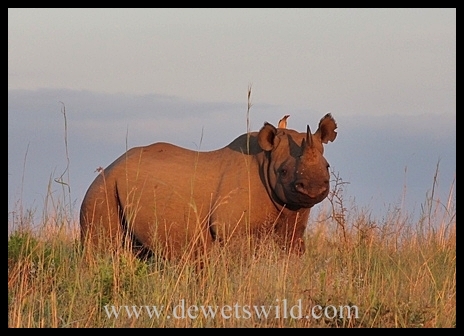
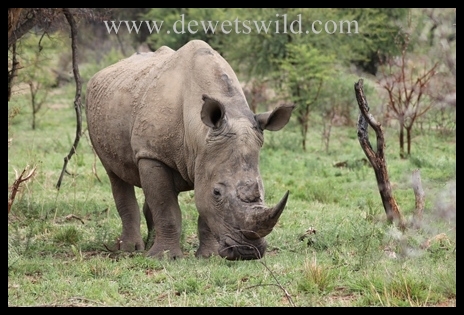
As I post these images I cannot help but wonder whether the individual animals they depict are still alive and well?


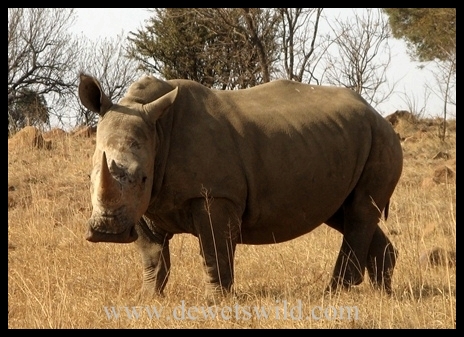
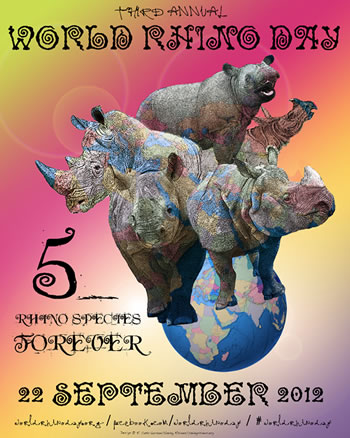
The 22nd of September 2012 is internationally celebrated as World Rhino Day. The message that rhinoceros horn holds no curative or aphrodisiac properties needs to be spread loud and clear so that the market for rhino horn can be wiped out, and it cannot happen soon enough. There are many people from all over the world and from all walks of life working tirelessly, and even putting their own lives in the firing line, to protect these magnificent creatures from savage poachers, but the onslaught from the organised crime syndicates continue unabated – so far this year we’ve lost at least 381 rhinoceros through poaching in South Africa alone (according to the official figures published in September 2012).


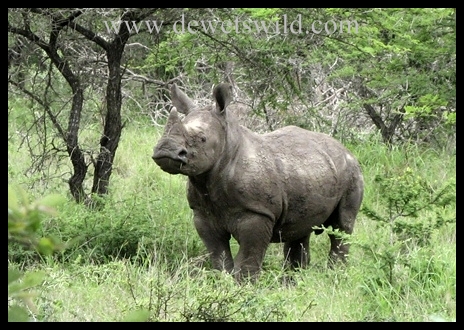
Please lend your support by spreading the message of World Rhino Day to the world.
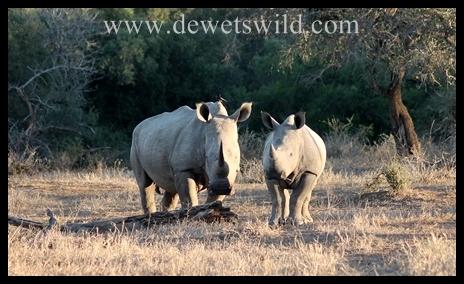
A White Rhinoceros, photographed in the Hluhluwe-Imfolozi Park in South Africa – feeling safe and free to laze around wherever it chooses for however long it cares to do so. Ironic, as these creatures currently face an immense threat from poaching.
More on our latest visit to the Hluhluwe-Imfolozi Park.

White Rhinoceros, Hluhluwe-Imfolozi Park, South Africa
“I don’t think we’re going to braai* tonight, that hyena just licked the grid clean”
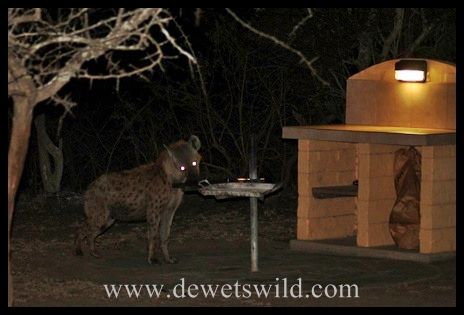
The sun has just set over Mpila Rest Camp on the first night of our latest visit, and we are relaxing in our accommodation when we notice the movement outside – a spotted hyena sniffing around looking for an easy snack. That’s exactly the kind of reason why we return to South Africa’s oldest game reserve so often – it is true wilderness. Mpila is unfenced – there’s a single strand of electrical wire around the camp to keep the elephants out – and that scuffling sound you’ve heard behind you in the dark could have been anything from a sounder of bush pigs or a group of grumpy old buffalo bulls to a patrolling hyena or a lurking lioness. Maybe it was just your imagination, but better move a little closer to the door just in case…
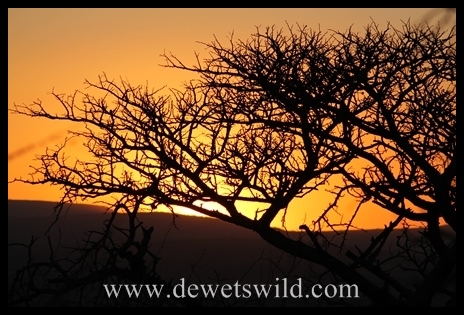
Scenically, Hluhluwe-Imfolozi doesn’t have to stand back for any of Africa’s other great reserves, and its rolling hills and clear skies make for spectacular sunrises and sunsets.
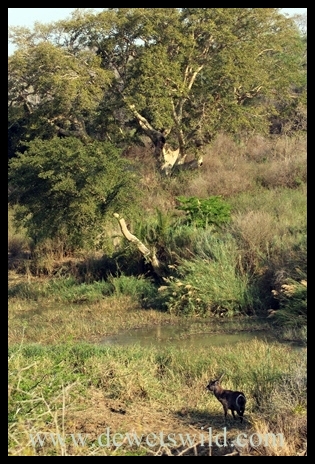
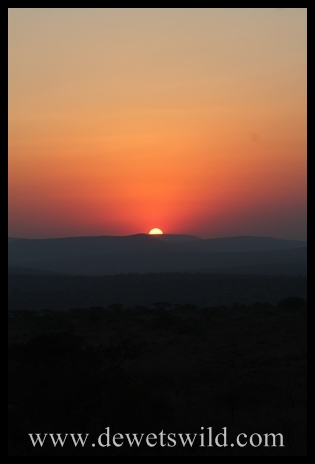
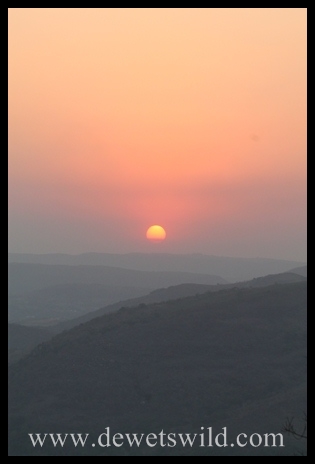
Of course the wildlife is Hluhluwe-Imfolozi’s main attraction, and, like with every visit before, were not disappointed with our sightings.
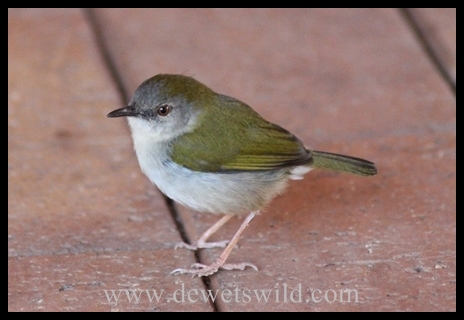
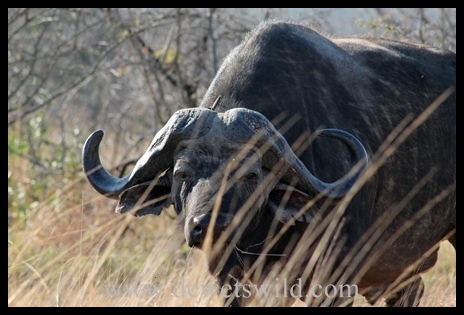
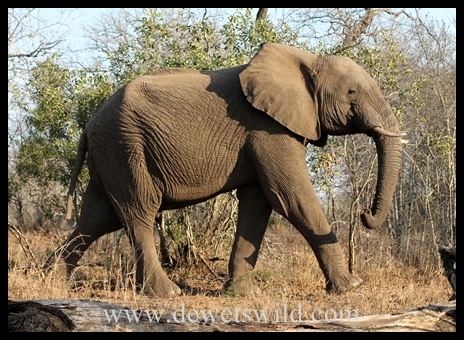
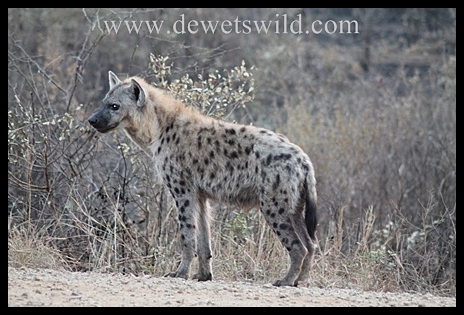


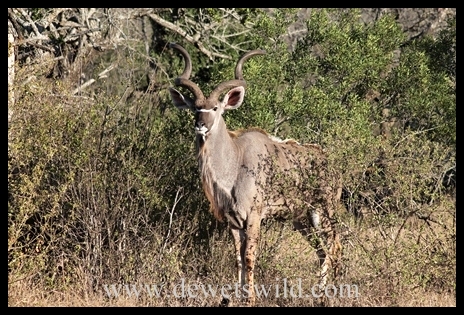
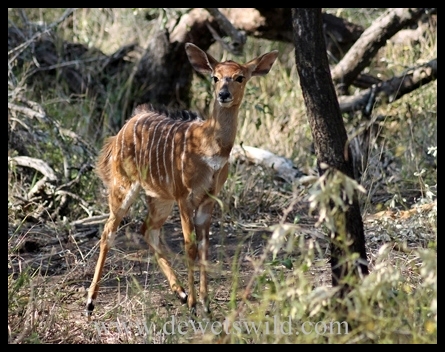
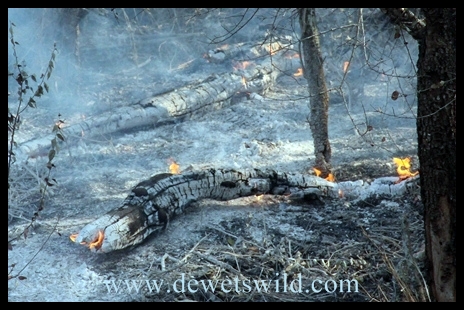
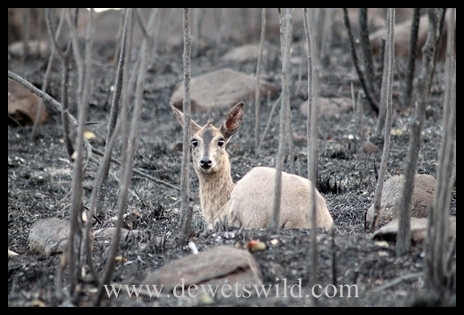
Unfortunately a runaway fire ravaged a huge area of the park just a day prior to our visit. By the time we departed five nights later, tree trunks were still smouldering and strong winds caused the flames to flare up frequently.
The Hluhluwe and Umfolozi Game Reserves in northern Kwazulu-Natal were formally proclaimed in 1895, and long before then this area was the exclusive hunting preserve of the Zulu royals. The Park has two medium-sized rest camps: Hilltop, forested and modern, in the northern Hluhluwe section, and our favourite Mpila, in the southern Imfolozi section. There’s also a number of exclusive small bush lodges throughout the Park. Good game viewing roads, a number of photographic hides and picnic spots and scenic viewpoints make for an ideal self-guided safari experience, though guided drives, walks and wilderness trails are available as well.
It is always with heavy hearts that we drive away from Hluhluwe-Imfolozi Park – it’s one of those places that you miss the moment you leave.
* A “braai” is the traditional South African equivalent of a barbeque
 DeWetsWild