Canis mesomelas
Considered a cunning creature of tricks and magic in local folklore and reviled by small stock farmers, Black-backed Jackals are the most common canid occurring in South Africa. Easily recognisable by their black-and-silver “saddles”, these jackals stand between 30 and 48cm high at the shoulder and weigh between 5 and 13kg.

Black-backed jackal

Black-backed jackal

Black-backed Jackal trying to hide from the camera

Hiding jackal pup

Black backed jackal

Black-backed jackal

Black-backed Jackal

Black-backed Jackal

Black-backed Jackal

Black-backed Jackal (photo by Joubert)

Black-backed Jackal

Black-backed Jackal with a bullfrog
Black-backed Jackals have a very wide habitat tolerance, and can be found from desert coasts to high mountain ranges, though they prefer drier, more open country and avoid forested areas. They are even known to live in the suburbs of many towns and cities. They are equally catholic in their diet and there’s very little that a Black-backed Jackal will not eat. Where they share their range with large predators, like lions, leopards and cheetahs, carrion makes up a large proportion of their intake, though they are quite capable hunters and will prey on anything from invertebrates to fish, reptiles, birds and small mammals up to medium-sized antelope like the springbok and seal pups. They will also eat berries, fruit and rizomes. Black-backed Jackals are independent of drinking water, but will drink when it is available.

Black-backed Jackal nervously approaching the carcass

Black-backed jackal

Black-backed jackal scaling a rocky outcrop

Daring jackals at a lion kill, seen on a night drive from Satara

Playful jackal pups

Black-backed jackal setting out to forage at dusk

Black-backed jackal

Black-backed jackal

Black-backed jackal are quite common near Orpen

Wet black-backed jackal

Black-backed jackal silhouette

Jackal jumping to catch a mole

Two jackals squabbling over a carcass

Black-backed Jackal in typical open habitat

Black-backed Jackal

Black-backed Jackal jumping after a rodent in long grass

Black-backed Jackals at Mavuso’s carcass

King of the castle: Black-backed Jackal at Mavuso’s carcass

Black-backed Jackals fighting over scraps

Black-backed Jackal

Black-backed Jackal (photo by Joubert)
Black-backed Jackals are nocturnal animals, usually emerging at dusk and returning to their dens at dawn, though they may at times be active throughout the day, and especially so in overcast weather. By day they sleep in thickets, caves or holes dug in the ground by other animals, The normal social grouping consists of a mated pair with their offspring, often of consecutive litters, defending fairly large territories. Apart from being very clever animals, Black-backed Jackals are quite brave and tenacious, and will even mob lions and hyenas on a carcass.

Black-backed Jackal

Black-backed Jackal

Black-backed Jackal

Black-backed jackal saying his morning prayer?

Black-backed jackal at Satara

Black-backed jackal

Black-backed jackal

Black-backed jackal

Black-backed Jackal

Black-backed Jackal

Black-backed Jackal

Black-backed Jackal

Black-backed Jackals

Black-backed Jackal

Black-backed Jackal (photo by Joubert)
Black-backed Jackals pairs usually have litters of 3-4 pups born on late winter or spring after a short 2 month gestation. Previous litters help the dominant pair to raise the youngest offspring by bringing food to the den (usually a cave or hole in the ground). Black-backed Jackals often fall prey to larger carnivores (leopards are especially fond of jackal meat), are also very susceptible to mange, distemper and rabies, and have a life expectancy of only 6 to 14 years in the wild.

Black-backed jackal at Tinhongonyeni, near Mopani

Leopard hunting jackals

Black-backed jackal

Black backed jackal

Black-backed jackal at the turnoff to Tamboti

Jackals suffering from mange

Black-backed Jackal

Black-backed Jackal seen from the hide at Nossob

Black-backed Jackal

Black-backed Jackal at Shipirivhiri Waterhole

Black-backed Jackal

Black-backed Jackal

Black-backed Jackal

Black-backed Jackal

Shy Black-backed Jackal

Black-backed Jackal

Black-backed Jackal

Black-backed Jackal

Black-backed Jackals

Black-backed Jackal

Black-backed Jackal

Black-backed Jackal

Black-backed Jackal

Black-backed Jackal

Black-backed Jackal

Black-backed Jackal

Black-backed Jackal and Blesbok

Black-backed Jackal

Black-backed Jackal

Black-backed Jackal

Black-backed Jackal

Black-backed Jackal pup

Black-backed Jackal

Black-backed Jackal

Black-backed Jackal

Black-backed Jackal
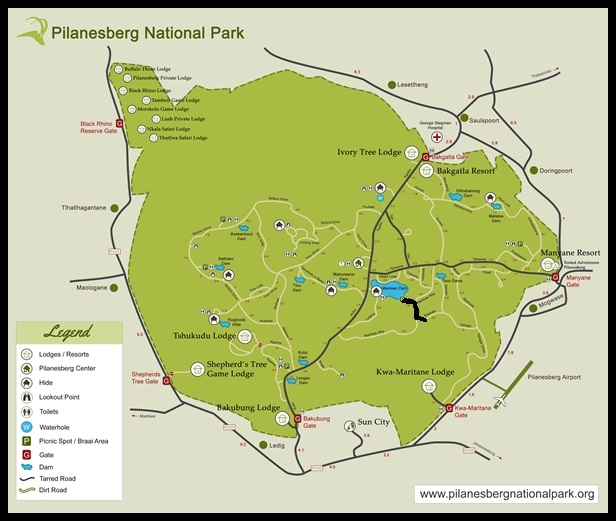
The IUCN considers the Black-backed Jackal as being of least concern, being common with a stable population over most of its distribution in East and Southern Africa, despite being persecuted as vermin by farmers. They occur all over South Africa, though they are understandably much easier to see in conservation areas than in farming communities. In our experience good places to go looking for Black-backed Jackals are the Kruger National Park (especially around Satara), Addo Elephant, Golden Gate, Marakele and Pilanesberg National Parks, Giant’s Castle in the uKhahlamba Drakensberg Park, and Rietvlei Nature Reserve.

Black-backed Jackal

Black-backed Jackal

Black-backed Jackal eating from the carcass of a Spotted Hyena

Black-backed Jackal

Black-backed Jackal

Black-backed Jackal

Black-backed Jackal

Black-backed Jackal

Black-backed Jackal

Black-backed Jackal

Baboon chasing a Black-backed Jackal

Black-backed Jackal

Black-backed Jackal

Jackal testing a lion’s patience

Black-backed Jackal

Black-backed Jackal

Black-backed Jackal couple.

Black-backed Jackal

Black-backed Jackal

Black-backed Jackal

Black-backed Jackal

Black-backed Jackal

Black-backed Jackal

Black-backed Jackal

Black-backed Jackal

Black-backed Jackal

Black-backed Jackal

Black-backed Jackal

Black-backed Jackal

Blesbok eyeing a Black-backed Jackal with some suspicion

Black-backed Jackal

Black-backed Jackal

Black-backed Jackal

Black-backed Jackal looking for a little shade at Tihongonyeni

Black-backed Jackal and Blue Wildebeest at Mooiplaas

Black-backed Jackal

Black-backed Jackal (photo by Joubert)

Black-backed Jackal

Black-backed Jackal

Black-backed Jackal

Black-backed Jackal

Black-backed Jackal

Black-backed Jackal

Black-backed Jackal

Black-backed Jackals

This warthog family almost ran straight into the jackal!

Black-backed Jackal

Black-backed Jackal







 DeWetsWild