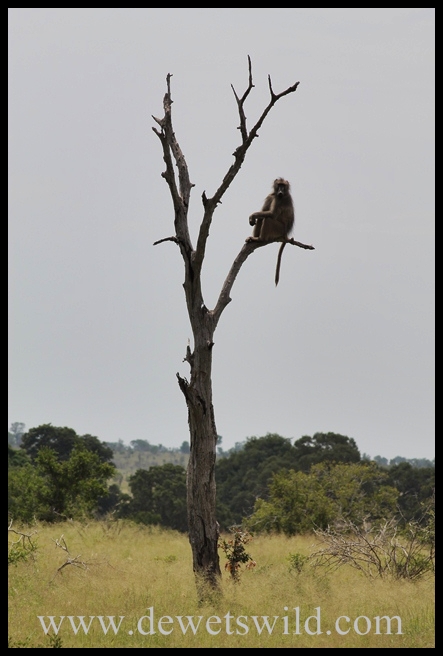
This solitary baboon, in the Kruger National Park, was clearly ill at ease with his predicament (baboons being gregarious creatures by nature, normally occurring in large troops), choosing to survey his surroundings from a lofty perch.

This solitary baboon, in the Kruger National Park, was clearly ill at ease with his predicament (baboons being gregarious creatures by nature, normally occurring in large troops), choosing to survey his surroundings from a lofty perch.


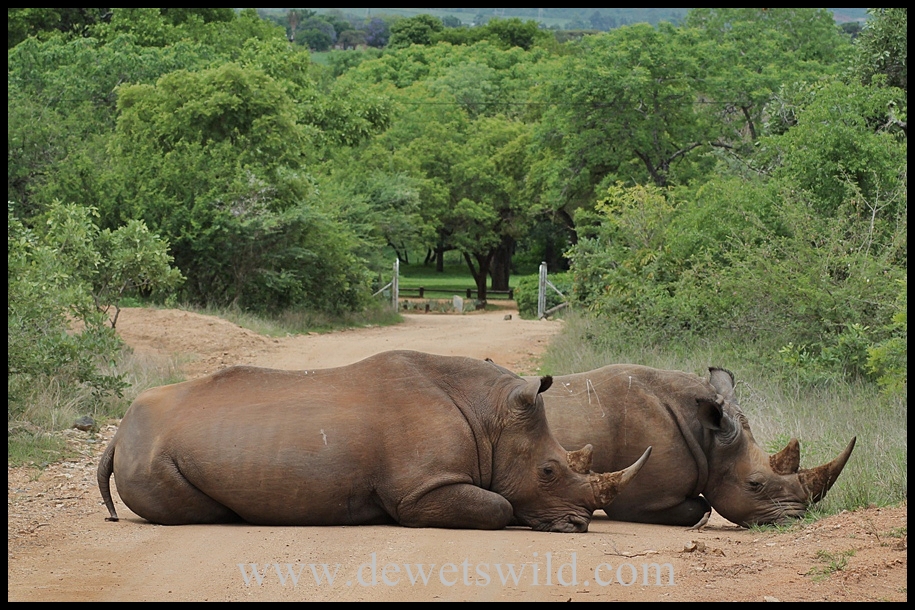
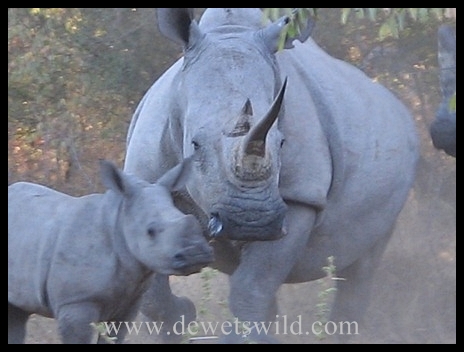
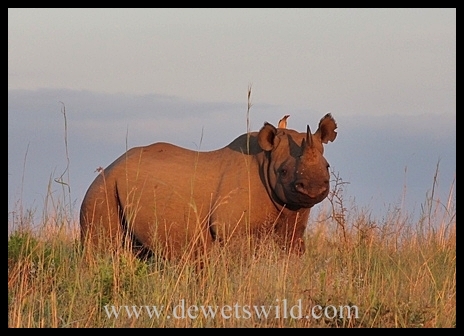
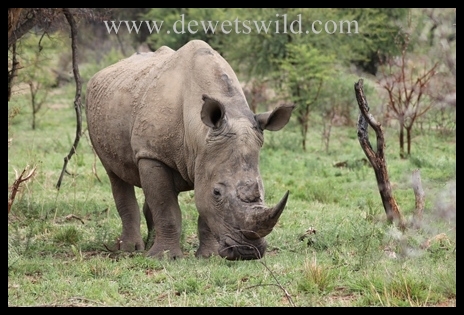
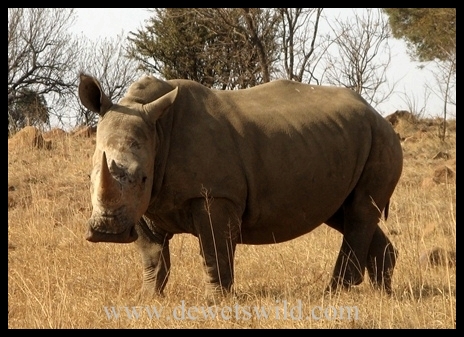
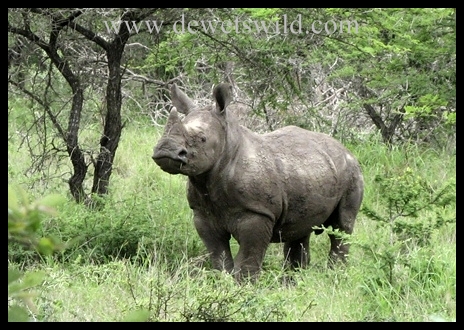
South Africa is home to both species of African rhinoceros: the extremely aggressive black rhino and the much more placid white rhino. Encountering either species during our visits to our country’s wild places is always a thrilling experience and losing these beautiful beasts forever, due to human greed and superstition, is a thought too terrible to ponder.


As I post these images I cannot help but wonder whether the individual animals they depict are still alive and well?


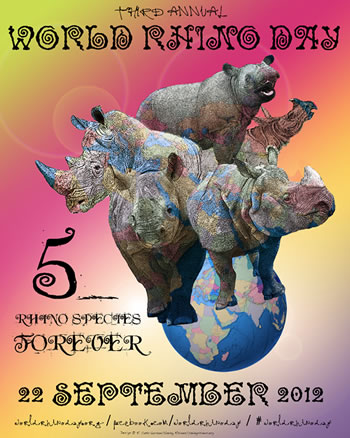
The 22nd of September 2012 is internationally celebrated as World Rhino Day. The message that rhinoceros horn holds no curative or aphrodisiac properties needs to be spread loud and clear so that the market for rhino horn can be wiped out, and it cannot happen soon enough. There are many people from all over the world and from all walks of life working tirelessly, and even putting their own lives in the firing line, to protect these magnificent creatures from savage poachers, but the onslaught from the organised crime syndicates continue unabated – so far this year we’ve lost at least 381 rhinoceros through poaching in South Africa alone (according to the official figures published in September 2012).


Please lend your support by spreading the message of World Rhino Day to the world.
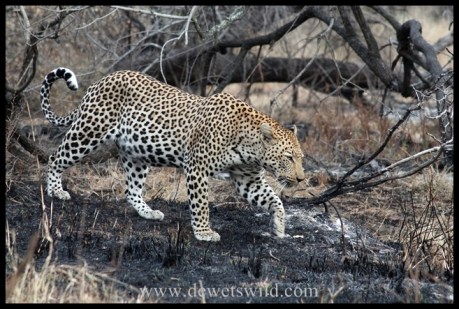
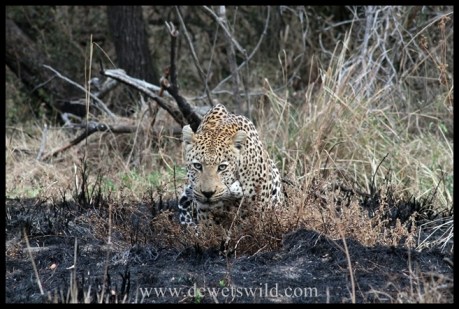
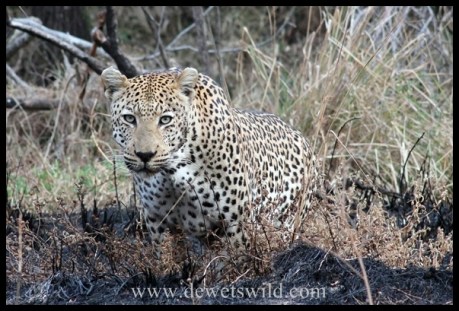
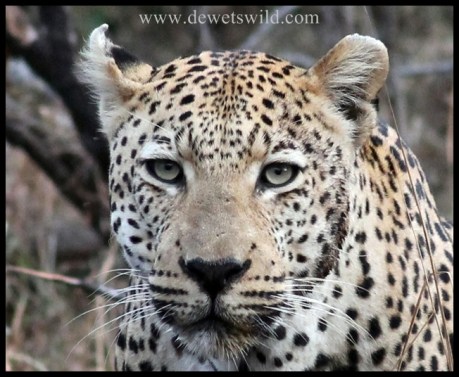
A picture paints a thousand words, or so the often used cliche goes. And then sometimes Mother Nature dishes up a feast so grand that words alone cannot describe the experience nearly adequately enough. This recent sighting of a pair of leopards in the early light of 24 July 2012, on the Marula Loop near Skukuza in the Kruger National Park, ranks as one of my most memorable wildlife encounters ever.


“Nants ingonyama bagithi Baba…”
With the soundtrack to Disney’s animated movie “The Lion King” spurring us on, we’re heading through the dark to reach the Orpen Gate as soon as it opens. While we’re staying at Forever Resorts Swadini there’s no way we can be this close to the Kruger National Park and not make time for a visit.
Despite the strong wind blowing for much of the day we had a lovely time – as always – with great animal and bird sightings and a very enjoyable picnic in Satara. After a full day in paradise we hung around the vicinity of Orpen as long as we could before the gates closed again and we had to be on our way.
By the way, “Nants ingonyama bagithi Baba” are the opening words of the Zulu chant at the start of the film, from the song “Circle of Life” and it means “Here comes a lion, Father” – a very fitting caption for the central plains of the Kruger National Park, around Satara and Orpen, where numerous lion prides rule over the savannah (though they eluded us this time).
The third largest canyon on earth, carved over millennia through the Drakensberg escarpment; standing below and staring up at those spectacular cliffs, hundreds of metres high and millions of years old, brings home the reality of our own comparative insignificance and fleeting tenure on this planet.
Considered the largest “green” canyon in the world (the larger Grand Canyon in the USA and the Fish River Canyon in Namibia are both to be found in desert environments), the Blyde River Canyon Nature Reserve is one of South Africa’s most popular destinations. The reserve is found in eastern Mpumalanga Province, and is managed by the Mpumalanga Tourism and Parks Agency. Bourke’s Luck Potholes, God’s Window, Wonder View, the Pinnacle and the Three Rondavels are world renowned attractions to be found on the escarpment near the town of Graskop.
On this visit however, we based ourselves at the Forever Resort Swadini in the Lowveld portion of the reserve, near the town of Hoedspruit. Set in a lush subtropical environment, along the Blyde River and at the foot of a magnificent cliff face, with a myriad of animal and bird life abounding and beautiful walking trails through the indigenous vegetation along the river, you’ll be hard pressed to find a more scenic camp in any reserve.
Swadini is also an excellent base for visits to nearby attractions such as the Blydepoort Dam (on which guided boat tours are available daily), the Hoedspruit Endangered Species Centre and of course the Kruger National Park (Orpen Gate is only 75km away).
Of course we had to feed our Kruger addiction – here a quick report of our day visit to the Kruger National Park.
There’s no other way to explain it. Kruger National Park is an addiction.
I blame my parents and I will be forever grateful to them. My first night in the paradise that is the Kruger Park was in September 1983, at just four years old, camping at Pretoriuskop.
As with any decent addiction, the more you get the more you want – visit more often, stay for longer. And I’ve been only too happy to oblige. Every time I enter those gates I feel reborn, every time I leave I get depressed. In fact, if I didn’t already have the next visit planned so that I have something to look forward to there’s a good chance I wouldn’t be able to leave at all.
Worst of all is that we’ve gotten our son addicted too. Little Joubert was only eight weeks old when he had his first taste, also at Pretoriuskop, and in the two years since he has been back to Kruger 6 times (not to mention all the other reserves he’s been visiting with us) and been all over the Park from Pafuri Gate in the north to Malelane in the south. Absolute proof to the saying that the apple doesn’t fall far from the tree, our little two-year old gets excited weeks ahead of our next visit. He recognizes Skukuza, Letaba, Olifants and Satara from pictures and can identify a multitude of animals and birds, even from their calls. He recalls previous sightings at particular locations when we pass there again. Joubert carries his own little digital camera around, clicking away at anything from beautiful landscapes and elephants to insects, leaves and…dung, by which he is absolutely fascinated: every so often we have to stop at some or other poo-pile so that it may be thoroughly appreciated.
Our good friends the du Plessis’ joined us on our most recent visit, at the end of April 2012, to Skukuza and Satara.
We visited as many of our favourite spots as we could fit into the five days – Lake Panic bird hide near Skukuza, N’wanetsi and Timbavati Picnic Sites, Sweni bird hide, the S100 gravel road and the Girivana waterhole near Satara, the viewpoint in Olifants and the Elephant Hall in Letaba. Sadly another favourite, the low level causeway over the Olifants River at Balule was still out of commission following the January floods.
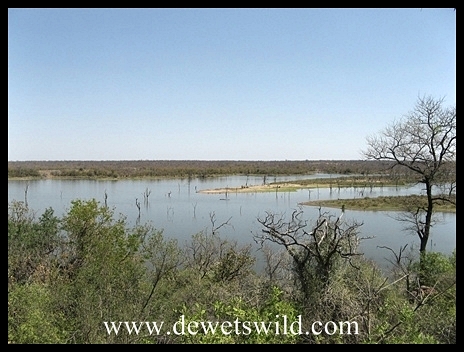
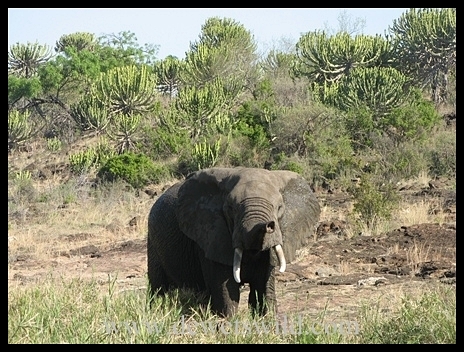
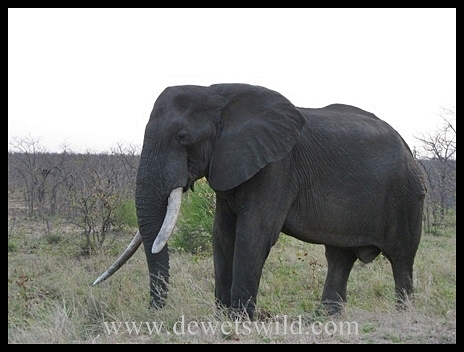
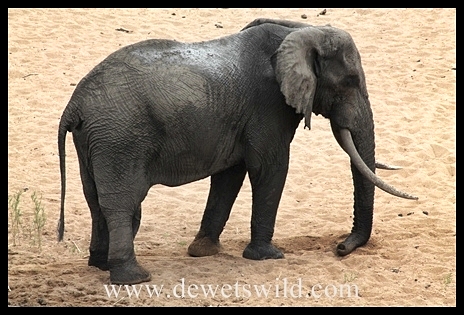
What follows is a selection of our photographs taken between the 26th of April and the 1st of May 2012 celebrating the serenity and beauty that the Kruger Park is so famous for.
Luckily for us our next short visit occurs in June!