Category Archives: Limpopo Province

Our experiences in the reserves of Limpopo, South Africa

Masbambela

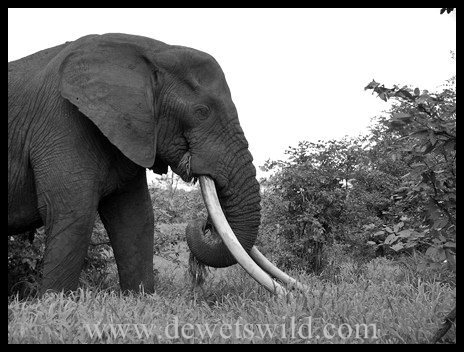
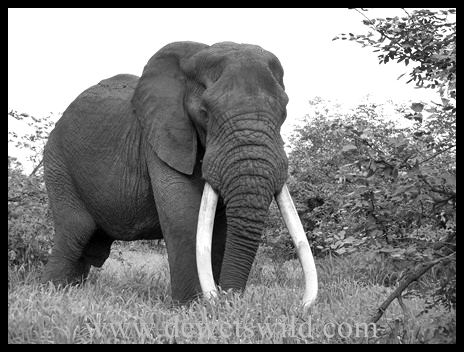
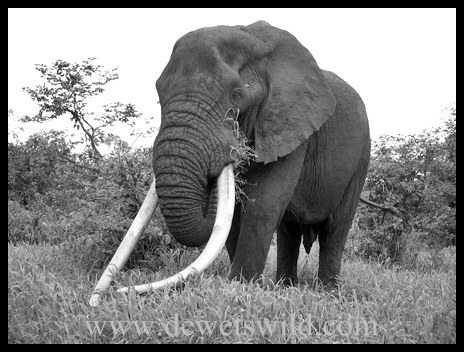
One of our most treasured sightings ever in the Kruger National Park. This magnificent animal was called “Masbambela”, named in honour of ranger Ben Pretorius who had spent 35 years working in the Park. Masbambela means “the one that can stand his ground” – isn’t that an absolutely apt name for this beautiful creature?

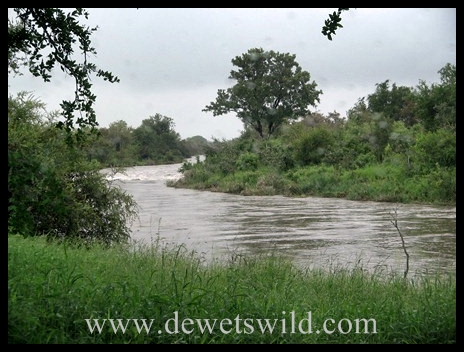
Masbambela was a shy tusker rarely seen by tourists to the Park and even Kruger’s researchers had difficulty tracking him, making our sighting on the 15th of January 2006 all the more special. We found him to the north of our beloved Shingwedzi Rest Camp, along the course of the Mphongolo River, where he was feeding peacefully only meters away from our vehicle.

Unfortunately, by August 2006 researchers noticed that he had broken a piece off his left tusk and sadly, Masbambela died, of natural causes, in November of that same year. His intact right tusk measured 2.31m in length and weighed 49kg, while the stump of his left tusk was 2.07m long and weighed almost 43kg.

We are honoured to have one of our images of Masbambela featured in Johan Marais’ book “Great Tuskers of Africa” – a must read for anyone interested in these awe-inspiring African icons.

Over the years we’ve encountered a number of other bulls carrying impressive ivory – if you are as much in awe with these beautiful animals as we are, have a look at the special posts we did on Kruger’s Big Tuskers and Isilo of Tembe.

Masbambela1

Masbambela2

Masbambela3

Masbambela4

Have a look here to see other “unique” entries from wordpress bloggers.

Shingwedzi flooded – January 2013

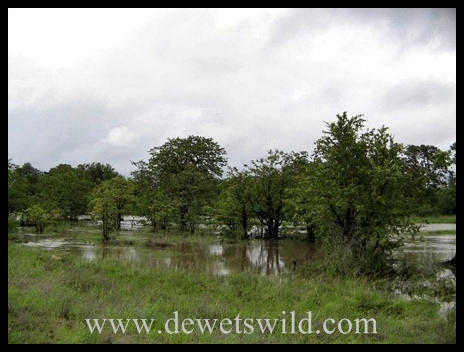
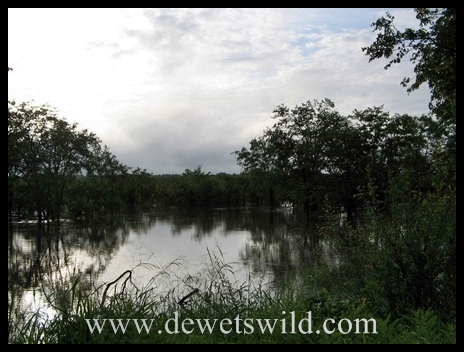
Photos have been posted on the SANParks forum of the flooding that hit Shingwedzi Rest Camp in the Kruger National Park – click on the image below to see more.

Extensive flooding at Shingwedzi – published on the SANParks forum

Severe flooding strikes two of our National Parks

Days of torrential rain in South Africa’s northern provinces have caused severe flooding in two of the country’s National Parks – Mapungubwe and Kruger. It appears that our beloved Shingwedzi Rest Camp has been hit exceptionally hard, with about 70 staff members and their families having to be airlifted to safety from there this morning, just hours after the guests staying in the camp were safely evacuated by road. We have seen the Shingwedzi area being flooded in January of 2006, though the camp itself was never inundated then, and can only imagine what these people had to endure overnight. We are immensely grateful for their safety.

Flooding in Kruger National Park – photograph published by SANParks on their facebook page (click on the image for more)

South African National Parks have posted the following media updates:

———————————————————————————————————————————————————————-

Update on the Mapungubwe floods

Date: 21st January 2013

The recent heavy rains experienced in most parts of the country have resulted in the sudden temporary closure of the Mapungubwe National Park and World Heritage (MNP& WH) site. The park is inaccessible from Musina, as roads leading to the area are washed away.

In the last week, most of the roads within the Park were temporarily closed but the subsequent rains that were received in the area over the last 72 hours, caused the park to be closed temporarily until further notice.

According to Divhani Maremba, spokesperson for the MNP&WH, “most clients who were in the Park at the time are currently safely kept at Leokwe camp. Some tourists who were booked in the park last night and today were asked to postpone their holidays. We appeal to all the people to be very cautious when approaching the area.”

“Although some people cannot be contacted through mobile phones because of network coverage, we are constantly monitoring the situation around the park to ensure that we keep everyone informed of developments. Our emergency personnel are also on site trying to prevent potential disaster,” said Maremba.

“More rain is expected over the next two days and we advise all the people with confirmed bookings in the immediate future to contact our reservations office about the status of their bookings as the Park will be temporarily closed until further notice,” she concluded.

More information will be provided in this regard on the SANParks website periodically and on all social media platforms belonging to the organisation.

Issued by:
SANParks

Media enquiries:
Divhani Maremba
Manager: Northern Regions Communications.
Tel: 012 426 5170; Cell: 082 941 9980
Email: divhani.maremba@sanparks.org

Or

Gabrielle “Gabby” Venter
Manager: Media and Stakeholder Relations.
Tel: (012) 426 5065; Cell: 083 825 9435
Email: gabrielle.venter@sanparks.org

——————————————————————————————————–

Update on the heavy rains in the KNP

Date: 21st January 2013

Members of the KNP Disaster Committee met early this morning to assess the impact of the heavy rain in the Kruger National Park (KNP).

Members briefed the committee on their initial inspections and assessments regarding roads, water and sewerage, vehicle fleets, electrical and mechanical as well Protection through the Operation Centre, that has been set up in the Park.

There have been no reports of any major incidents throughout the park except the ones listed below.

Tshokwane: The low-level bridge to staff and ranger houses were reported as over flowing, resulting in personnel being trapped at the picnic site and others at houses, but their lives are not threatened.

Olifants and Sweni trails: Eleven tourists who were trapped on these trails have been safely airlifted to Satara.

Tamboti: The camp is isolated with 8 guests and staff including the section ranger. The water levels are being constantly monitored and a rescue plan will be executed to airlift them to Satara.

Talamati, Biyamiti: The camps have been closed and guests moved to the safety of Satara and Berg-en-Dal.

Houtboschrand: Four patrol rangers and a SANDF unit are stuck in the area, they are in constant contact with the Section Ranger and will be assisted.

Muzanzene: Four guests and one staff member have been air-lifted to safety.

Shingwedzi: All guests were evacuated to Mopani last night. 70 staff members are currently being evacuated.

Roads

H1/1 link road between Skukuza and Pretoriuskop has been closed off due to the heavy current over the low level bridge.

Crocodile Bridge Gate is overflowing and as a result the camp has been isolated and no cars are allowed through.

Lucy Nhlapo: Regional Manager Marula: KNP has reiterated her appeal to all visitors to the Park to stick to the tarred roads as all gravel roads have been closed for safety reasons.

At this stage all is still in order at the Skukuza Rest Camp, the biggest in the Park,  with the  Nwatsishaka river level slowly rising but flowing steadily, however the low level bridge is currently closed as water is overflowing at high velocity, while the high level bridge is being  constantly monitored.

Northern KNP:

The Northern part is still experiencing heavy downpours and the bush camps are still out of bounds. Visitors are still urged to drive only on tarred roads.

Camps and Facilities Closed:

  • Sirheni,
  • Shimuwini,
  • Shingwedzi
  • Bateleur
  • Boulders
  • Tamboti
  • Talamati
  • Muzanzane
  • Biyamiti
  • Crocodile Bridge
  • Makhadzi Picnic Spot
  • All trails camps and Wilderness Safaris

Gates Closed:

  • Crocodile Bridge
  • Orpen
  • Punda Maria
  • Pafuri
  • Giriyondo Port of Entry
  • Pafuri Port of Entry

Roads Closed:

  • H1 – 2 Sand River & Sabie Low water bridge – alternatively motorists can use H12
  • H1/1 link road between Skukuza and Pretoriuskop has been closed off due to low level bridge overflowing.
  • H1-1 – Pretoriouskop to Malelane T-Junction
  • H10 – Lower Sabie to Tshokwane
  • H7 – Satara to Orpen
  • H1 – 9 – Pafuri entrance to Punda
  • H15 – Punda Maria to Shingwedzi
  • H1 – 6 Letaba to Mopani
  • Nwaswitshaka low level bridge.

NB: All gravel roads in the park have been closed off for safety and motorists are requested to stay on tarred road.

“Generally our emergency plans are running accordingly and we’re constantly monitoring the developments, if anyone requires an update, our emergency 24hour hotline is available 013 735 4325. Please call to check on the conditions in the area you intend visiting” concluded Lucy Nhlapo.

Issued by:
SANParks

Media Enquiries:
Reynold “Rey” Thakhuli
GM: Media Liaison
Tel: 012 426 5170;  Cell: 073 373 4999
Email: rey.thakhuli@sanparks.org 

Ike Phaahla
SANParks Media Specialist
Tel: 013 735 4300; Cell: 0836736974
Email: isaac.phaahla@sanparks.org 

Travel and Tourist Enquiries:
Emergency 24 hour hotline: 013 735 4325

New Beginnings

Water cleanses, which is why a river in flood to me symbolises a new beginning; a clean slate, a fresh start, and getting rid of all the debris that clogs up life.

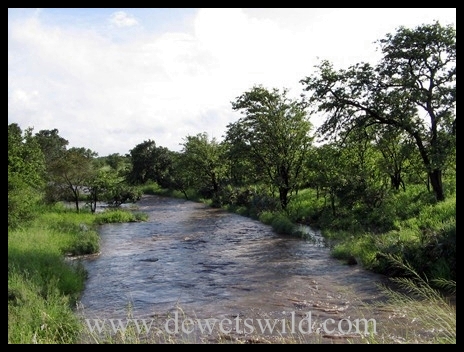
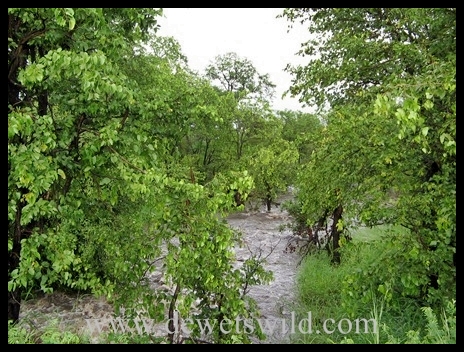
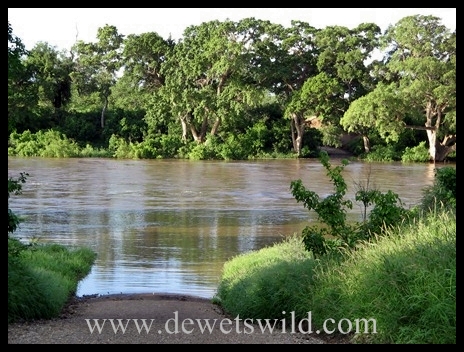
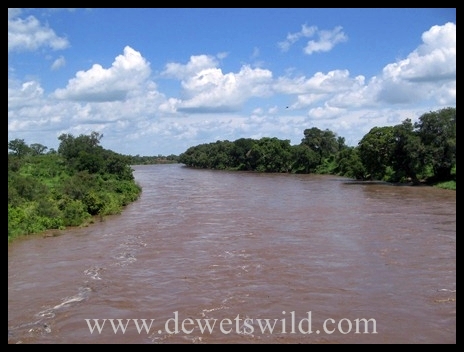
Depicted here is the Shingwedzi River and its tributaries in flash flood through the Kruger National Park, South Africa, following a cloudburst.

Stream in flood KNP5
Stream in flood KNP4

Stream in flood KNP3

Stream in flood KNP2

Stream in flood KNP1

Shingwedzi River in flood2

Shingwedzi River in flood1

We’re participating in the online adventure travel and photography magazine LetsBeWild.com‘s Wild Weekly Photo Challenge for bloggers. This week’s challenge is “New Beginnings“.

Happy New Year!

Our 2012 in Pictures

For the final challenge of 2012, we decided to submit a selection of photographs of the various accommodation units we stayed in while exploring South Africa’s wild places this year (you can click on the images for a clearer view).

Have a look here for more submissions in this week’s challenge.

Surprise

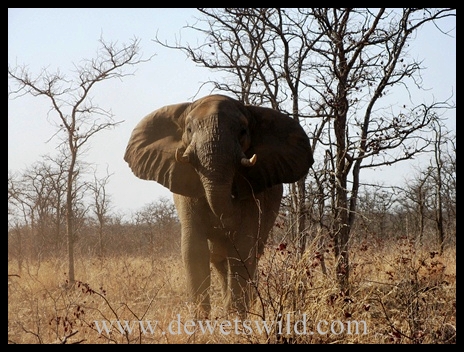
This is a likely outcome when you surprise a temperamental elephant bull – he charges, kicking up dust as he goes!

(photo taken near Mopani Rest Camp in the Kruger National Park, South Africa)

For more of this week’s challenge: Surprise!

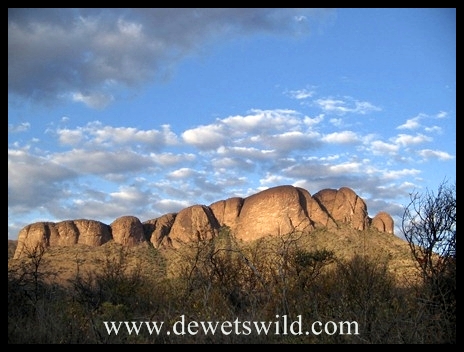
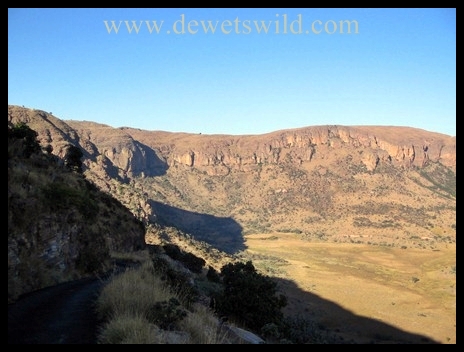
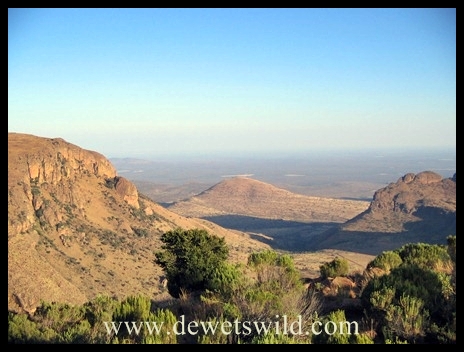
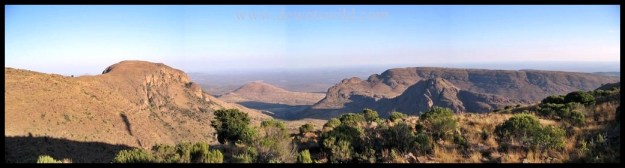
Marakele National Park

The aptly named Marakele National Park is most certainly a “place of sanctuary” to much of South Africa’s indigenous wildlife, as the translation of the Tswana name suggests.

Located in the Waterberg mountain range in the Limpopo Province, there are two main reasons for the park’s extraordinary diversity of plant and animal life. Firstly, it is located in the transition zone between the country’s drier western and wetter eastern climatic zones. Secondly, it has an impressive altitudinal range between 980 and 2100m above sea level. Thus the park has a rich variety of habitats housing a wide variety of fauna and flora – many of which is endangered or unique to the area, and as a result it forms a core area of the Waterberg Biosphere Reserve.

The Waterberg cycad (Encephalartos eugene-maraisii) is one example of a rare plant species finding sanctuary here at Marakele. This plant was named in honour of naturalist, author and poet Eugene Marais who spent much of his life here in the Waterberg, his work inspired by the beautiful landscapes, fascinating wildlife and warm people of the region.

Marakele may be home to Africa’s Big Five, but pride of place certainly goes to the population of Cape Griffon vultures that have made their home among the towering cliffs – at 800 breeding pairs it is one of the biggest colonies of these endangered birds left on the planet.

The best place to see the vultures are from the Lenong viewpoint located high on a cliff edge, where they soar by in breath-taking proximity. The very narrow road leading up to the viewpoint may be one of the steepest and most hair-raising drives in South Africa, but the spectacular views from the top is a sight to behold and treasure.


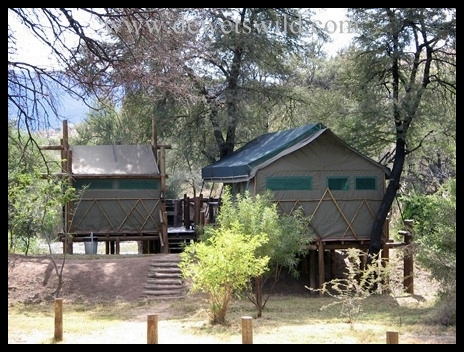
The Park was originally proclaimed in 1986 (then named Kransberg after a prominent peak in the Waterberg range) and has been continuously expanded to its current size of almost 650km². Accommodation is available at Tlopi Tented Camp while the Bontle Camping Area provides decent facilities for caravanners and campers. Guided activities are on offer, and other facilities include a hide next to a waterhole that provides excellent opportunities to photograph birds and game, and two rustic picnic spots.

Visit Marakele National Park and you will soon realise that humans too can find sanctuary from the humdrum of everyday life here.

Sunset over Marakele National Park

Mapungubwe National Park


In the far north-west corner of South Africa’s Limpopo Province, on the border with Botswana and Zimbabwe, is a national park that protects not only a rich and diverse natural landscape, but also a fascinating cultural heritage.

Mapungubwe National Park was officially proclaimed only in 1995 (originally called Vhembe-Dongola National Park) and was conferred World Heritage Site status in 2003, but the area’s rich history dates back much further than that. Atop the inconspicuous Mapungubwe Hill, archaeologists have uncovered evidence of a thriving and advanced African civilisation, dating back to between 900 and 1250AD, trading with countries as far away as Egypt, India and China. This rich cultural heritage is today showcased in an award-winning interpretive centre and guided tours are presented to the archaeological site on and around Mapungubwe Hill.

The Park however has much more to offer nature enthusiasts though. The Park is home to large predators like lion, leopard and spotted hyena, a large number of elephants, many antelope species, zebra and giraffe, a huge variety of birds, reptiles and invertebrates, and interesting plant life – not least of which is the impressive baobabs.

From a cliff-top viewpoint there are magnificent views over the confluence of the Limpopo and Shashe rivers where South Africa, Botswana and Zimbabwe meets, with a well laid-out picnic site nearby.

2056 Confluence uitkyk

In the same general vicinity a unique raised walkway – high enough for elephants to walk underneath with ease and almost a kilometre in length – leads through the riverine vegetation on the banks of the Limpopo. Here the fever trees, with their yellow trunks, are particularly beautiful – a notice board at the start of the trail calls into memory a quote from one of Rudyard Kipling’s’ Just So Stories, The Elephant’s Child: “…till at last he came to the banks of the great grey-green, greasy Limpopo River, all set about with fever-trees…”.

The Maloutswa Hide, in the western section of the Park, is another highlight not to be missed. Here, in a shaded, spacious wooden building overlooking a large pan one can easily while away hours watching the animals and birds come and go to slake their thirst at the water’s edge.

SANParks offer overnight accommodation in four camps (Leokwe Rest Camp, Limpopo Forest Tented Camp, Tshugulu Lodge and Vhembe Wilderness Camp) and camping at the Mazhou Campsite, and a variety of guided activities are also on offer.

Today grand plans are being implemented to establish a unified trans frontier conservation area centred on Mapungubwe by incorporating state and private land from the three neighbouring countries – a praise-worthy initiative well worth supporting.

Macro Photography

These close-up pictures of some smaller animal life was taken in the Mapungubwe National Park and World Heritage Site, in the far North-West corner of South Africa  where it borders Botswana and Zimbabwe:

Caterpillar

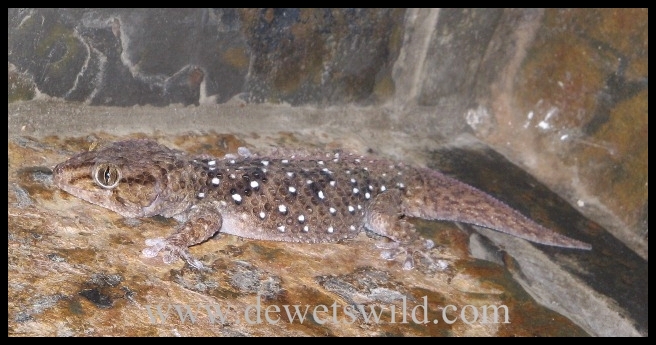
Superbly camouflaged gecko in a chalet at Mapungubwe National Park

Huge cricket sharing our outdoor shower in Mapungubwe National Park

We’re participating in the online adventure travel magazine LetsBeWild.com‘s Wild Weekly Photo Challenge. This week’s challenge is Macro Photography.

Sunsets

We’re participating in LetsBeWild.com‘s Wild Weekly Photo Challenge. This week’s challenge is Sunsets and we are submitting this collection of sunset pictures taken in South Africa’s wild places.

(click on an image to view the picture carousel)