Category Archives: iSimangaliso Wetland Park

Our experiences in the iSimangaliso Wetland Park, South Africa

Cruising Lake St. Lucia

Participating in a guided launch tour of Lake St. Lucia is one of the most memorable experiences to be had in the iSimangaliso Wetland Park. Several operators offer tours lasting about two hours and departing at different times of the day. In this time the cruisers move about 8km up into the lake from the jetties in St. Lucia town, bringing visitors close to a variety of aquatic life and giving an interesting glimpse into the ecology of the lake system.

During our recent visit to iSimangaliso, we enjoyed a tour on the 80-seater Santa Lucia, a joint operation between Ezemvelo KZN Wildlife and Thompsons Tours. A cashbar on board sells drinks and snacks while a guide gives detailed explanations of the surroundings and wildlife encountered along the way. We passed several pods of hippos (witnessing one naughty youngster chewing on another tourboat), a few crocodiles, numerous birds, wildlife on the shore, got a chance to view the mangrove marshes and even saw a shark’s dorsal fin briefly break the water’s surface.

This gallery should give you some idea of what you can look forward to on a guided launch tour of Lake Saint Lucia!

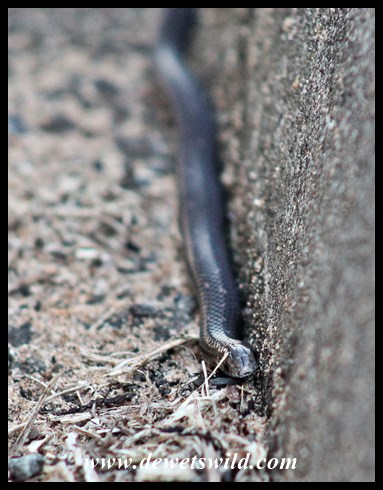
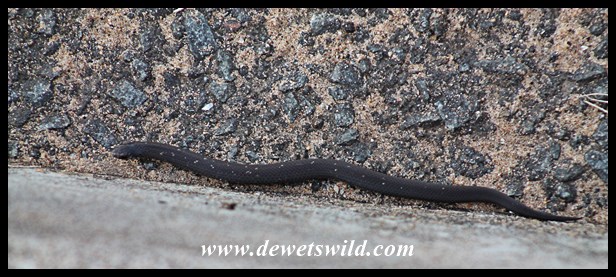
Variegated Slug Eater

Duberria variegata

While visiting the iSimangaliso Wetland Park recently, we came across this tiny snake at  the Amazibu Hide between St. Lucia Town and Cape Vidal.

Variegated Slugeater (2) Variegated Slugeater (4)

Referring to our copy of the Field Guide to Snakes and Other Reptiles of Southern Africa (Bill Branch, Third Edition 1998), Marilize suspected it to be a Variegated or Spotted Slug Eater, an identification confirmed with the assistance of the helpful people at the SA Reptiles Forum.

These snakes are endemic to a very small piece of South Africa’s north-eastern and Mozambique’s southern coastline, occurring in dune forests and grasslands (habitat in abundance at iSimangaliso). It burrows in leaf litter and sandy substrates and, as its name suggests, feeds on slugs and snails. Females give birth to between 7 and 20 live young, about 10cm in length, in late summer, which would mean the 12cm-long specimen we encountered was still quite young (Adults grow to between 22cm and 34cm).

Just goes to show that no matter how much time you spend in natural environments, there’s always something new to discover and interesting to learn!


Hungry Hungry Hippo!

Just when you thought it was safe to go back into the water…

Well, when it’s Lake Saint Lucia you’re talking about then it is never safe to go into the water, thanks to the hippos, crocodiles and sharks that populate this aquatic environment. Better to be safe ON the water then? Only if you don’t encounter this playful young hippo, seemingly intent on making a meal of the tourist launch!

Luckily for the tourists on the boat, mom intercedes and calls him to order, dispensing quick discipline hippo-style with a bite and a roll on top of the little delinquent.

This delightful scene played out while we were enjoying a guided launch-tour of Lake Saint Lucia aboard the Santa Lucia, during our recent visit to the iSimangaliso Wetland Park. We’ll share more photos and memories from the cruise in an upcoming edition of de Wets Wild.

At the end of a wonderful long weekend…

Our long weekend at the iSimangaliso Wetland Park has come to an end, but please “stay tuned” in the weeks to come as we’ll share some of our latest experiences from this spectacular world heritage site.

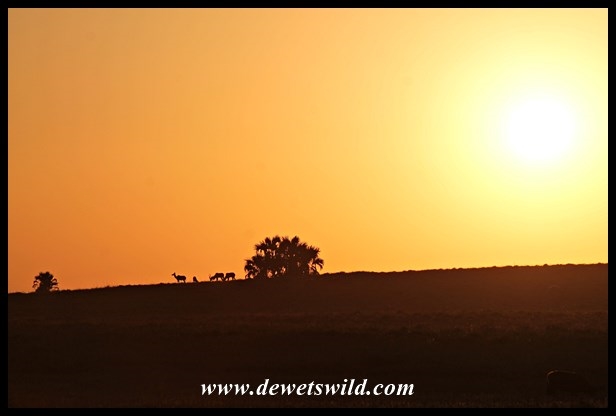
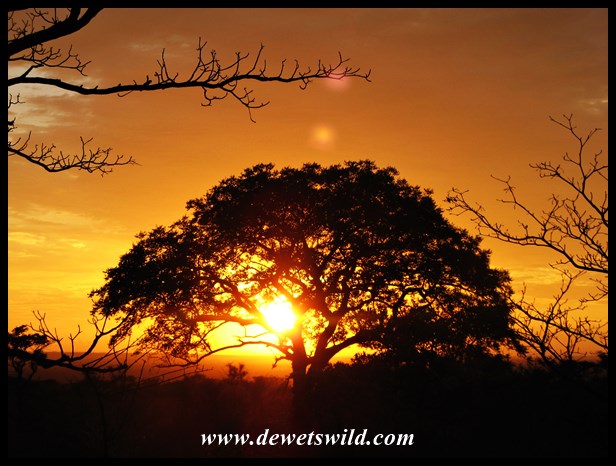
iSimangaliso Sunrise

No place like Cape Vidal…

Apart for Cape Vidal and the iSimangaliso Wetland Park, we can’t think of any other place in South Africa (or the world) where you can end a day of fun at the beach with a fantastic sighting of a leopard walking mere centimeters away from your car window. And that’s exactly how our day played out!

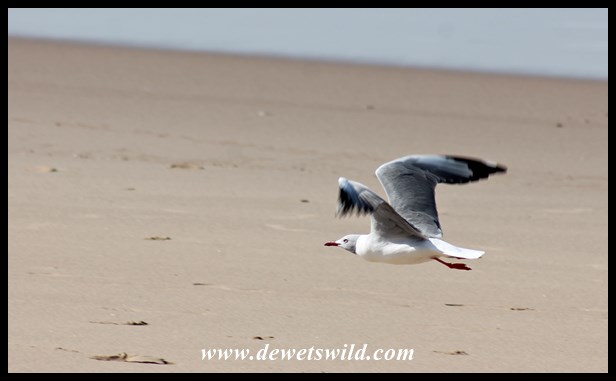
Grey-headed gull taking flight at Cape Vidal's beach

Grey-headed gull taking flight at Cape Vidal’s beach

Leopard sighting on the Grassland Loop - 15th June 2015

Leopard sighting on the Grassland Loop – 15th June 2015

St. Lucia flypast

Today we joined a tour of Lake Saint Lucia aboard the Santa Lucia cruiser, and this low level flypast by an African Fish Eagle was just one of the highlights!

St Lucia Flypast

Cape Vidal, 13 June 2015

We were the first car into the iSimangaliso Wetland Park through Bhangazi Gate this morning, before sunrise. And this leopard sighting was just one of the day’s highlights!

We’re spending three nights at picturesque Cape Vidal, and can’t wait to experience all that iSimangaliso has in stall for us tomorrow…

Cape Vidal Leopard 20150613

Time off

Time away from work and school.

Time to allow the warm glow of an African sunset to rejuvenate body and mind.

We’re spending a long weekend in the iSimangaliso Wetland Park!

Time off

Off-Season” is the theme for this week’s WordPress Photo Challenge

Summer on the Western Shores of Lake Saint Lucia

After uMkhuze, Lake Saint Lucia was the next destination on the itinerary of our December bush holidays. We had only two days available to explore the area, and wanted to pack in as much as we could in that time.

Unfortunately rainy weather brought an early end to our plans of exploring the collection of walking trails around Saint Lucia town. The town is entirely surrounded by the iSimangaliso Wetland Park and it is not unusual to find hippos, antelope, warthog and even leopard roaming the streets from time to time. We had to be content driving on the outskirts of town to the beach and estuary, enjoying a meal at one of the restaurants and buying fresh fruit from the street vendors.

The 23rd of December we set aside to explore the newly opened Western Shores section of the Park, an area we have not visited before. It is accessible from either the Nhlozi Gate in the north, near the town of Hluhluwe and which provided access to the now closed camps at Fani’s Island and Charters Creek, or from the Dukuduku Gate in the south, close to St. Lucia town.

StLucia_Dec2014 (2)

Dukuduku Gate to the Western Shores section


We had hoped to spend the midday hours at Charters Creek, enjoying a picnic lunch and perhaps doing some birdwatching on the lake shore and in the surrounding woodland. Unfortunately the accommodation at Charters Creek had to be closed some years ago due to a terrible drought in the area, and we found the few remaining facilities at the disposal of day visitors in a sad state of disrepair. Not very inviting for picnics, although the wildlife and natural scenery did not disappoint. We certainly hope the Park authorities will consider reopening the camp and revamping the day visitor facilities so that Charters Creek can again become a worthwile destination and base from which to explore the Western Shores section of the Park.

Despite the let down of Charter’s Creek, we found the rest of the newly built facilities on the Western Shores to be in excellent condition, well planned and entirely worth the trip.

The road network provides access to a wide variety of scenery and habitats, as well as the wildlife that lives there; the most commonly encountered animals being reedbuck, waterbuck, kudu, giraffe, blue wildebeest and plains zebra, and we also had good sightings of rare birds like the southern banded snake eagle and osprey.

The uBhejane picnic spot has some shady trees, very welcome in the heat of summer. Just south of the picnic site, the road skirts the Kwelamadoda Pan, which was absolutely alive with a variety of waterbirds and wildlife along the shores.

Although there was little wildlife activity at the pans overlooked by the kuMgadankawu hide at the time we visited, it seems to be a place well worth stopping at during the dry season when water is less widely available elsewhere.

StLucia_Dec2014 (6)

kuMgadankawu hide


From the uMthoma Aerial Boardwalk there’s a great view over the marshes along the lake shore, not to mention the opportunity to explore the forest habitat through which the pathway and boardwalk winds.

We had a lovely day on the Western Shores of Lake Saint Lucia. The area has much to offer, and we’ll certainly be back for more.

————————————————————————————————————————————–

iSimangaliso 21122014

The road to Chane Cheese Farm (iSimangaliso 21/12/2014)

While exploring the area around Lake Saint Lucia during our December 2014 bush holidays, we based ourselves for three comfortable nights at Chane Cheese Farm, a working dairy entirely surrounded by exotic bluegum plantations just a few kilometres outside the town of Mtubatuba. From there, Saint Lucia town and the Dukuduku Gate into the Western Shores section of the iSimangaliso Wetland Park is an easy 20km drive away.

Chane Cheese Farm, December 2014
Chane Cheese Farm, December 2014

Summer at uMkhuze

uMkhuze Game Reserve, in the iSimangaliso Wetland Park and World Heritage Site, was the third destination of our epic summer 2014 bush holidays. We arrived at uMkhuze’s western gate, Emshopi, on the 18th of December, after an easy 164km drive from Ithala Game Reserve. Our reservation was for three nights in an extremely spacious cottage at Mantuma Rest Camp. When we say “extremely spacious”, we are not lying; you could have held a dance in the lounge!

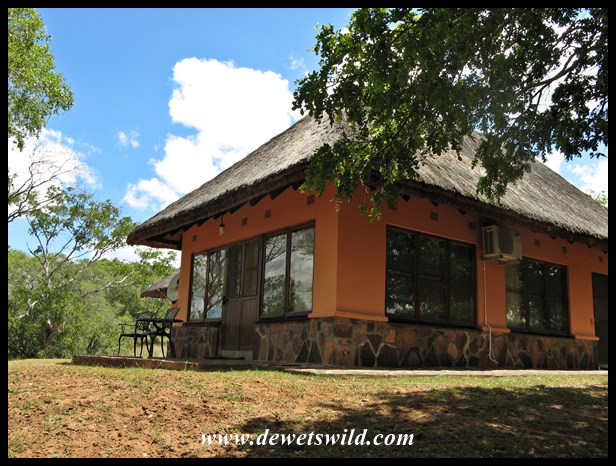
Mantuma, uMkhuze, December 2014

Mantuma, uMkhuze, December 2014

We’ve already shared with you our experiences at two of uMkhuze’s biggest attractions, the Nsumo Pan and Kumasinga Hide, and in this post we’ll focus on some of the things we saw in the rest of this unique reserve.

Nsumo magic

Nsumo magic

Zebra reflections

Zebra reflections at Kumasinga

Of the bat, it has to be said that uMkhuze is one of South Africa’s best known birding destinations. The variety of birds is absolutely staggering, thanks to the diversity of habitats the reserve protects, and we were lucky to add a couple of new “lifers” to our birding tick list.

uMkhuze protects a sizable piece of sand forest, a very rare plant community in South Africa. An equally rare little antelope, the suni, lives only within this habitat. We had several sightings of them, but getting even a half-decent photograph of these shy creatures proved very difficult!

A pair of suni in the sand forest

A pair of suni in the sand forest

We also had our first sightings of large predators (on this trip) at uMkhuze. Lions were reintroduced to the reserve a year ago, and we were thrilled to find two females during a guided night drive. On our last afternoon at uMkhuze, we found a very shy spotted hyena lurking in the bush.

uMkhuze protects large populations of other well-known African mammals and they certainly were not shy to show themselves!

uMkhuze has its fair share of creepy-crawlies too!

I’ve already mentioned what a diverse reserve uMkhuze is, and there’s no better place to see this than from the top of the observation tower just a few kilometers south of Mantuma Rest Camp.

uMkhuze really is a gem in the crown of South Africa’s wild places, and we always enjoy visiting here. Leaving through the Ophansi Gate on uMkhuze’s eastern boundary we felt like we should have stayed a bit longer still, thankfully we could console ourselves by thinking about the great destinations that were still waiting for us on our summer trip to the bush!

Driving through the riverine forest at Ophansi Gate

Driving into the riverine forest at Ophansi Gate