Category Archives: Eastern Cape Province

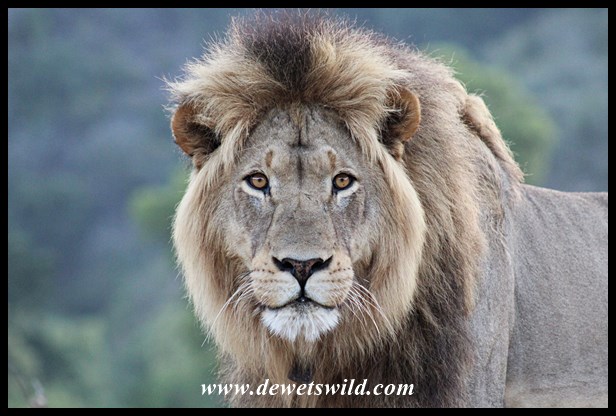
Kings of Addo

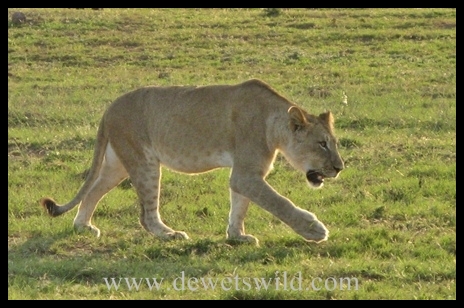
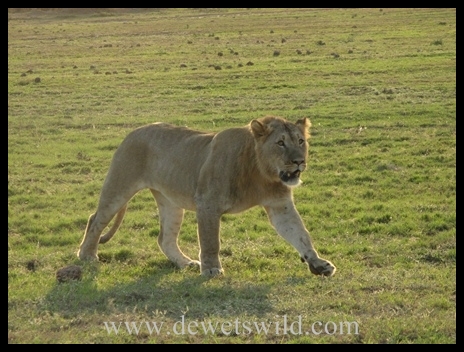
Two male lions waited for us next to the road as we were driving from Addo‘s new, soon to be opened Nyathi Camp early on Friday morning. We may only have spent a few minutes in their audience, but the experience will remain a thrilling memory forever.

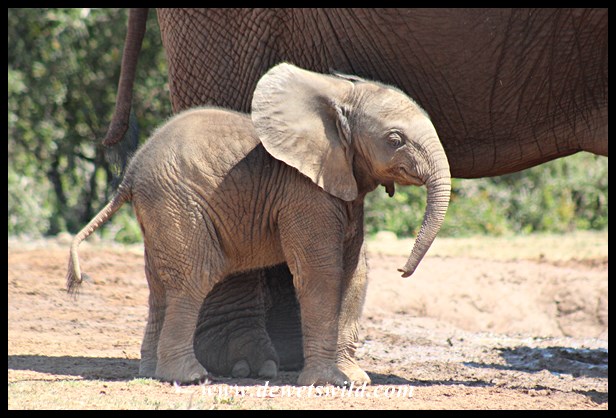
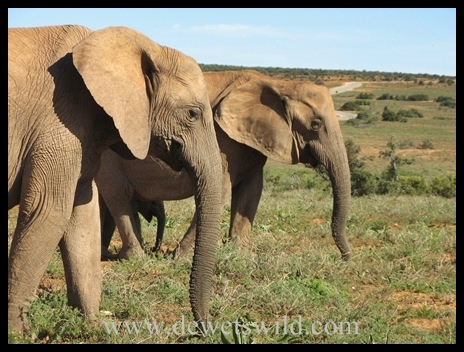
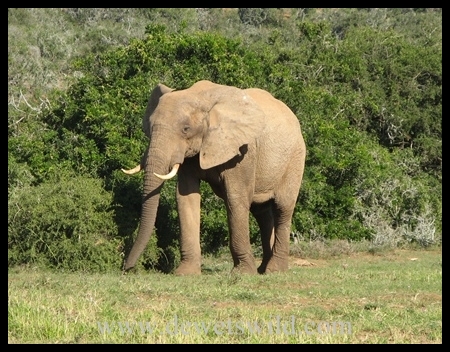
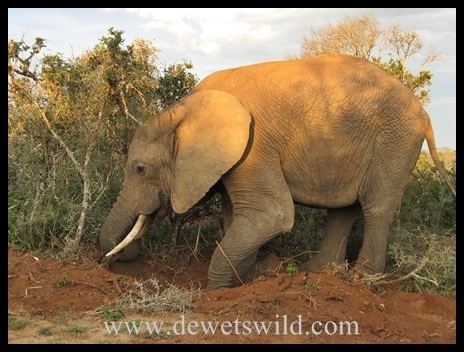
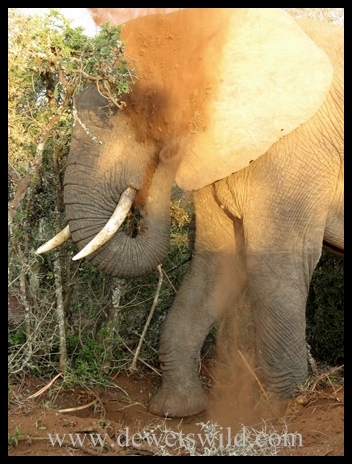
Addo wouldn’t be Addo without the elephants…

Last week I had the pleasure of a quick visit to the Addo Elephant National Park, and of course the Park’s star attractions delivered wonderful performances! Every herd had the tiniest and cutest of babies in attendance, and the massive aggregation of literally hundreds of elephants milling around Hapoor Dam is a spectacle I will never forget.


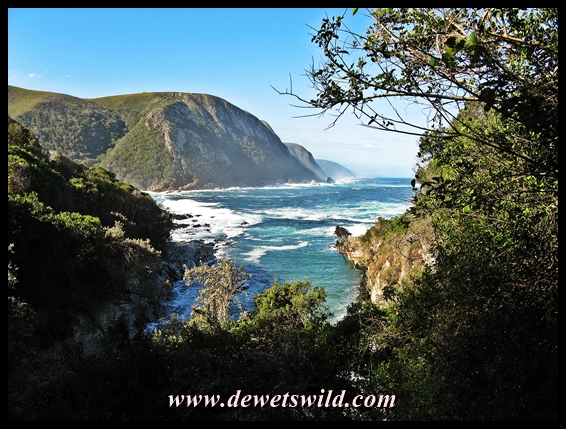
Sea

Summer’s heading our way here in the southern hemisphere, and many South Africans are looking forward to their holidays at the seaside. The rugged, rocky coast at the Storms River Mouth, in the beautiful Tsitsikamma section of the Garden Route National Park, is a particularly popular destination for many.

The Sea

“Sea” is the theme for the Weekly Photo Challenge this week

World Oceans Day

Every year, people and organisations around the globe celebrate World Oceans Day on the 8th of June. It is a day to contemplate the life sustaining role of the earth’s oceans for us humans and the life forms with which we share the “blue planet”, and we’re encouraged to commit to ways to limit our own individual negative impacts on this vital resource.

This photograph shows a small portion of the Tsitsikamma coast in the Garden Route National Park, South Africa’s oldest marine protected area.

World Oceans Day

The Forest

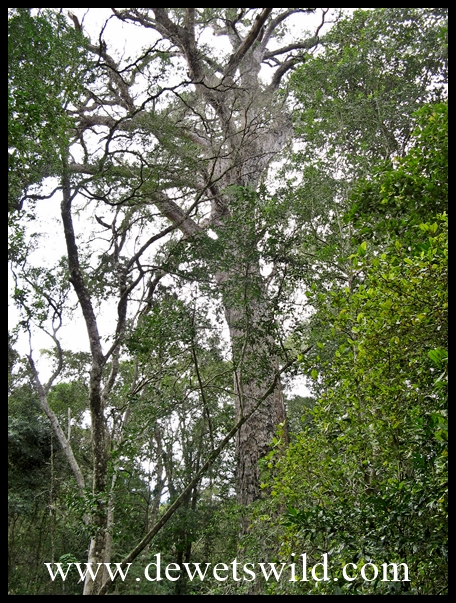
We don’t have many true forests in South Africa, and over the years much of the forests that there was has fallen to man’s greed. Luckily, some of the remaining forest patches today enjoy protection in national parks and nature reserves. Pictured here is a giant Outeniqua Yellowwood Tree that towers almost 40 meters high and a must see for anyone visiting the Tsitsikamma Forest in the Garden Route National Park.

The Forest

We’re participating in the online adventure travel and photography magazine LetsBeWild.com‘s Wild Weekly Photo Challenge for bloggers. This week’s challenge is “The Forest“.

Mountain Zebra National Park

A rising star with humble beginnings.

The Mountain Zebra National Park had an inauspicious start. Proclaimed in 1937 near the small town of Cradock to protect the then critically endangered Cape Mountain Zebra, the reserve covered only 1,712 hectares and contained only 6 individual animals of its most precious charges.

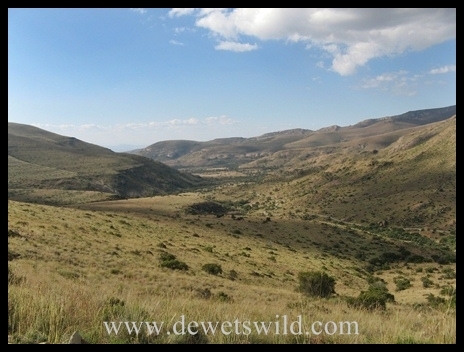
Gradually the park was expanded, with much public support, and today the Mountain Zebra National Park is a grand showcase spanning across 28,412 hectares of scenic plains and rugged mountains. Located at the interface between the arid Karoo and the central grasslands, the Park is home to at least 680 plant species which in turn provide habitat and sustenance to a myriad of faunal life.

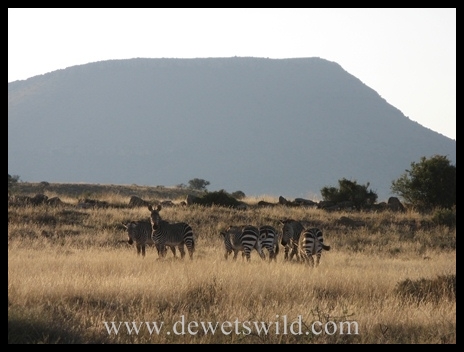
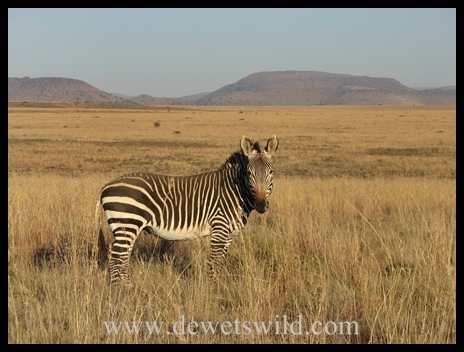
Here, the Cape Mountain Zebra was saved from the brink of extinction and today the Park houses almost 500 individuals, with thousands more now occurring in other National Parks, numerous state-owned reserves and on private land across their former range.

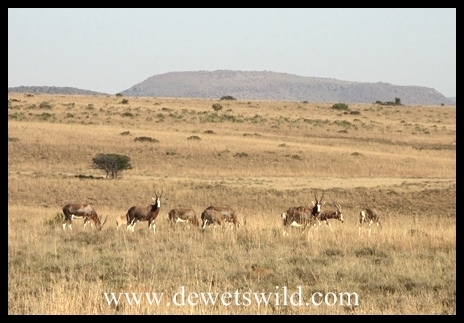
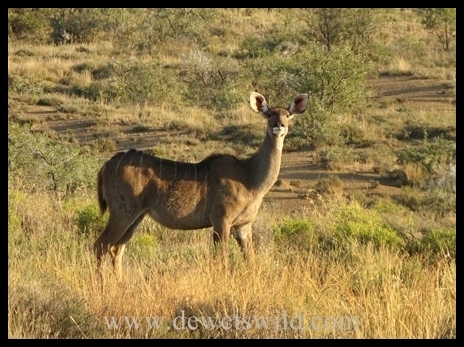
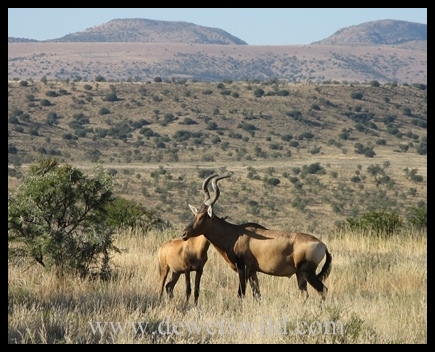
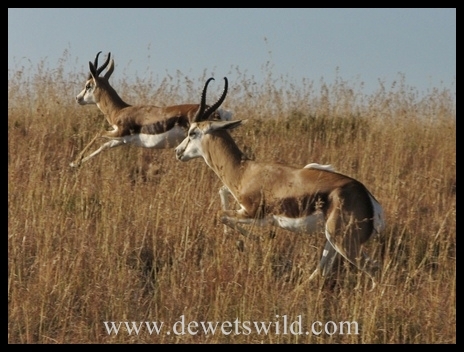
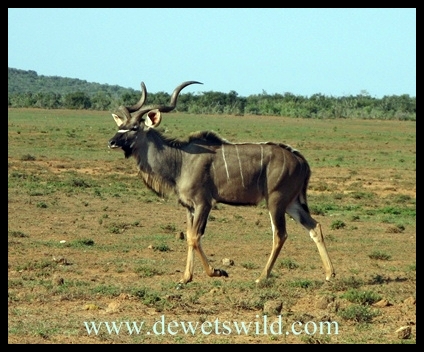
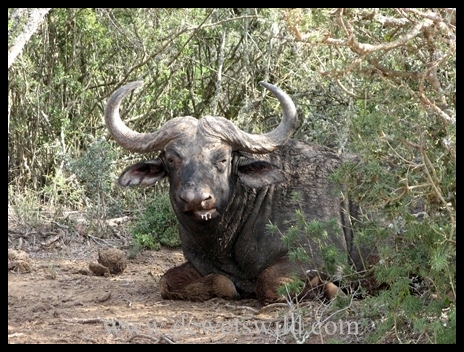
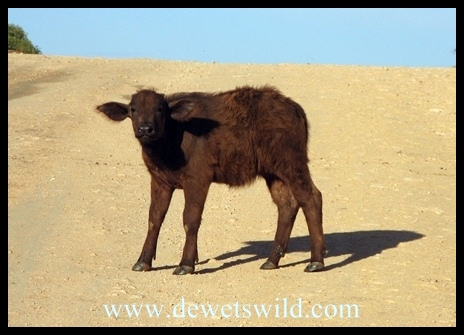
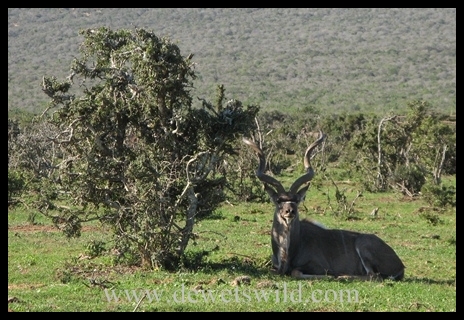
The Park is now large enough to accommodate many other large, charismatic mammals and visitors have an excellent chance of spotting cheetah, black rhino and buffalo among the other natural denizens of South Africa’s central plains – animals like the black wildebeest and blesbok (both species themselves having been virtually wiped out by the early 1900’s), springbok, red hartebeest, eland, kudu and gemsbok and birds such as the ostrich and blue crane.

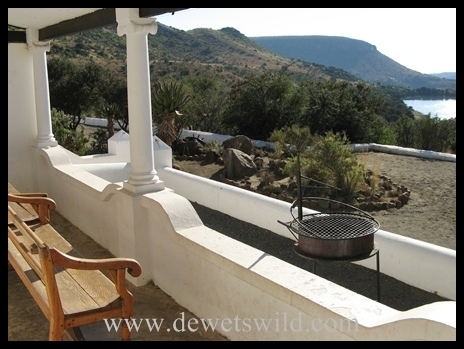
The South African National Parks provide accommodation and camping in a picturesque rest camp in the centre of the Park while the Doornhoek Guest House, exclusively located some distance further, provides a luxurious alternative to the standard accommodation fare. This Victorian farmstead has been meticulously restored, is a national monument and has been tastefully furnished with all the modern conveniences while retaining its old world charm thanks to the antique period pieces used to decorate both the interior and farmyard.

In recent times the Mountain Zebra National Park has been growing in popularity, and deservedly so. Park management have introduced a number of unique guided activities, such as cheetah tracking and visits to San rock art sites. Spend a few days at “Bergkwagga” (the Afrikaans name for the Mountain Zebra) and it will be a firm favourite for you too!

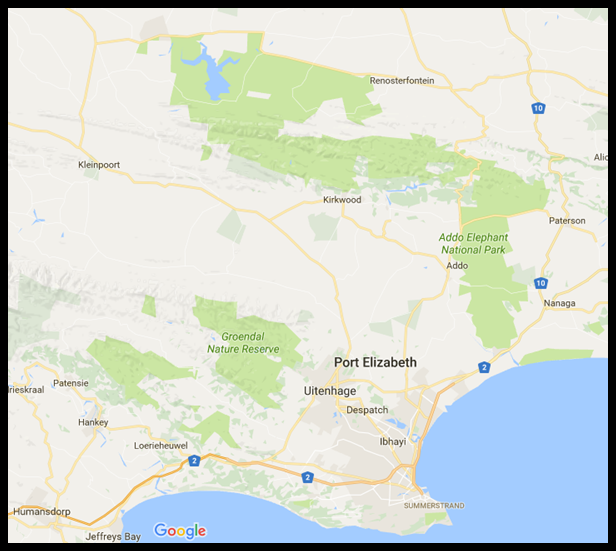
Addo Elephant National Park

Yesteryear’s “hunter’s hell” is today’s wildlife paradise.

In the early 1900’s, a major P.J. Pretorius was contracted to rid the Addo region of its elephant population, then numbering around 150 animals, as the area was developing into one of the country’s most productive agricultural regions. It is he who described the Addo-bush as a “hunter’s hell” due to the impenetrable thickness of the spekboom vegetation. Pretorius was nevertheless extremely successful in his undertaking, and by the time the Addo Elephant National Park was proclaimed in 1931 on a small piece of land considered unsuitable for irrigation, and in the face of rising public support for the elephants, only eleven animals remained.

Over the years more land has been added to the Park and, from the original 40km² at proclamation, the Addo Elephant National Park today covers an area in excess of 1650 km² (and there are plans to increase this even more). As the Park grew, so did the elephant population – more than 450 now roam the reserve.

Those first Addo elephants were wild and dangerous, understandably so due to the persecution they endured, but the animals you’d find in the park these days are much more tolerant of the human presence and there are few, if any, places in Africa where you’ll be able to get so close to wild elephants going about their everyday business (though you’d still be well advised to keep a safe distance from those big bulls and cows with calves).

Now that the future of the Addo Elephant has been secured, the park’s priorities have shifted towards biodiversity protection, and it certainly ranks as one of South Africa’s most diverse protected areas in terms of habitat and species. Today the Park accommodates all the species of big game that occurred here historically, including Africa’s famed “Big 5”.

Located close to Port Elizabeth, one of South Africa’s largest cities, Addo is easily accessible and very popular. Accommodation is provided in a number of camps operated by the South African National Parks as well as a host of more upmarket, privately run, concession lodges.

The Addo Elephant National Park is a South African conservation success story – if you ever have the opportunity, go see for yourself just how beautiful a “hunter’s hell” can be!

Near and Far

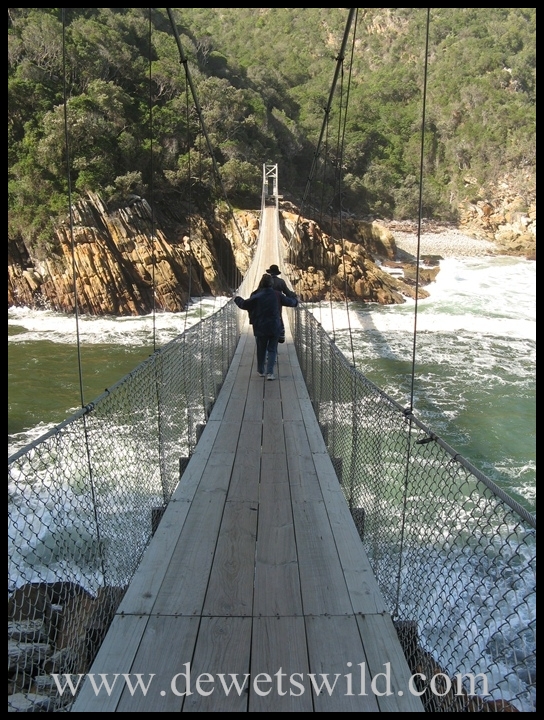
The 77m long suspension bridge across the Storms River in the Tsitsikamma section of the Garden Route National Park, South Africa.

Tsitsikamma

Fairy tale forests and rugged rocky shores

Tsitsikamma was South Africa’s first coastal national park, and has recently been incorporated into the newly proclaimed Garden Route National Park which spans the borders of the Eastern and Western Cape Provinces.

The Garden Route is one of South Africa’s best known tourist attractions, and the Tsitsikamma is a very popular destination, especially in summer. Accommodation and camping is provided by the South African National Parks at Nature’s Valley and Storms River Mouth – the former in a beautiful forest setting near the Groot River estuary and the latter right on the rocky shores of the Indian Ocean.

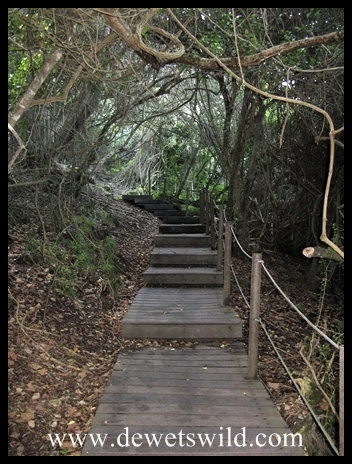
Hiking is a popular pastime in the Tsitsikamma, and at Storms River Mouth there’s a variety of trails to suit most tastes and fitness levels. The most popular of these lead to a suspension bridge, 77 meters long, across the Storms River just before it empties into the sea.

The wide range of habitats provides refuge to a rich diversity of plants, small animals and birds and the scenery is extraordinarily spectacular.

Many visitors spend weeks at a time here in the Tsitsikamma, and once you’ve experienced it for yourself it is easy to understand why.