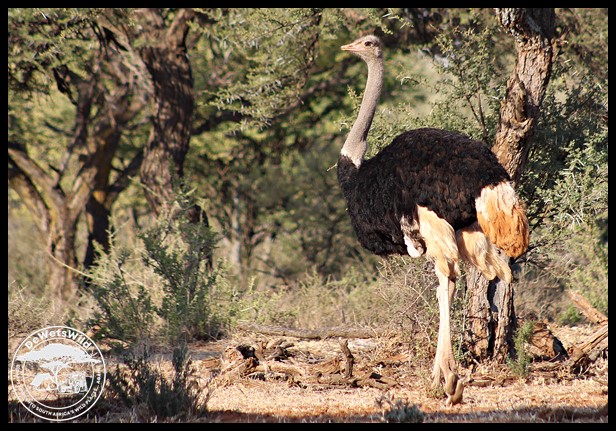
The Mokala National Park is home to an amazing diversity and number of animals and morning and afternoon drives exploring the Park, or time spent at the Stofdam Hide, invariably produces wonderful encounters with them. Come along as we share some of what we saw during our tour of Mokala last month.

Gemsbok and Springbok

Vervet Monkey and Warthog
The Black-backed Jackal is definitely Mokala’s most regularly seen carnivore and, besides regularly coming across them them as you traverse the reserve, you are very likely to hear them calling from sunset and into the night.

Black-backed Jackal

Black-backed Jackal
While they’re not considered as good looking as most other antelopes, Blue Wildebeest are always a welcome sight nevertheless!

Blue Wildebeest

Blue Wildebeest

Blue Wildebeest (photo by Joubert)
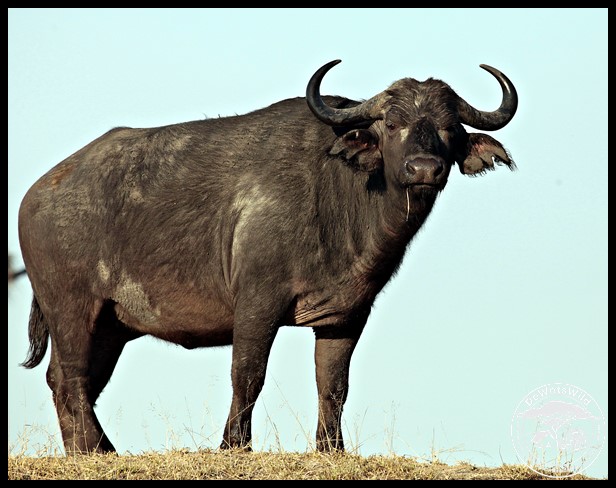
We’ve had better sightings of Mokala’s buffaloes on this trip than on any previous visits. While it is not clear whether this is because the population is expanding or whether they’re becoming more used to tourist vehicles we’re certainly not complaining!

Iconic Mokala: Buffalo, thorny savanna and low hills

Buffalo

Buffalo

Buffalo

Buffaloes

Buffalo

Buffalo

Buffalo

Buffalo

Buffalo

Buffalo

Buffaloes

Buffalo

Buffaloes

Buffalo

Buffalo

Buffalo

Buffalo

Buffaloes (photo by Joubert)
One the other side of the scale is the numerous kinds of butterflies that you’ll find at Mokala, even now during the cold of winter.

Brown-veined White and African Migrant butterflies congregating at a mud puddle

Zebra White Butterfly
The Eland is by far the largest antelope and yet their very skittish nature makes it tricky and rewarding to get a photograph of them. Luckily Mokala has a sizable population of Eland, making the task a little easier.

Eland

Eland
Another antelope that is as shy as it is beautiful is the Gemsbok.

Gemsbok

Gemsbok

Gemsbok (photo by Joubert)
With so many thorn trees, their favourite food, and no dangerous lions around, Mokala must feel like paradise to Giraffes!

Giraffes

Giraffe (photo by Joubert)

Giraffe calf (photo by Joubert)

Giraffes (photo by Joubert)
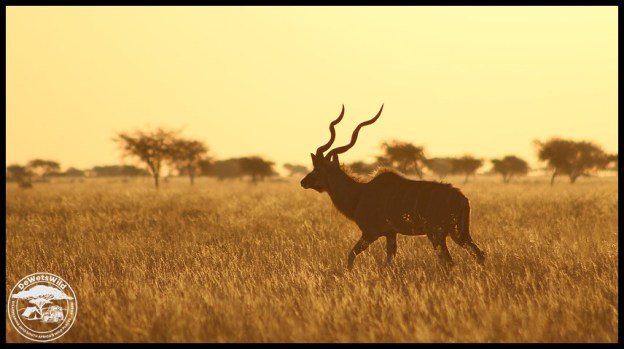
Many people consider the Greater Kudu the most regal of Africa’s antelope, and Mokala has more than its fair share of beautiful bulls!

Young Kudu bull

Kudus

Kudu bull

Kudu cow

Sunset Kudu at Mokala

Young Kudu bull

Young Kudu bull
The Meerkat – Timon of Disney’s The Lion King – really is an endearing little creature (unless you’re a chicken farmer…).

Meerkat (photo by Joubert)

Meerkat (photo by Joubert)

Meerkat

Meerkat
One of the animals you’ll encounter most frequently at Mokala is the Plains Zebra, and what makes Mokala’s population even more fascinating is the high number of individuals carrying relatively few stripes.

Plains Zebra

Many of Mokala’s Plains Zebras have fewer stripes that animals in most other populations

Many of Mokala’s Plains Zebras have fewer stripes that animals in most other populations

Many of Mokala’s Plains Zebras have fewer stripes that animals in most other populations

Many of Mokala’s Plains Zebras have fewer stripes that animals in most other populations

Many of Mokala’s Plains Zebras have fewer stripes that animals in most other populations

Many of Mokala’s Plains Zebras have fewer stripes that animals in most other populations

Many of Mokala’s Plains Zebras have fewer stripes that animals in most other populations

Many of Mokala’s Plains Zebras have fewer stripes that animals in most other populations

Many of Mokala’s Plains Zebras have fewer stripes that animals in most other populations

Plains Zebra foal drinking

Many of Mokala’s Plains Zebras have fewer stripes that animals in most other populations
The Red Hartebeest is an antelope superbly adapted to the drier western regions of South Africa and Mokala’s animals are in excellent condition.

Red Hartebeest

Red Hartebeest

Red Hartebeest

Red Hartebeest

Red Hartebeest

Red Hartebeest (photo by Joubert)
Mokala is an excellent place to see Roan Antelope, one of the rarest antelope species in South Africa.

Roan Antelope

Roan Antelope

Roan Antelope

Roan Antelope

Roan Antelope

Roan Antelope
Rock Dassies find Mokala’s boulder-strewn koppies perfectly to their liking.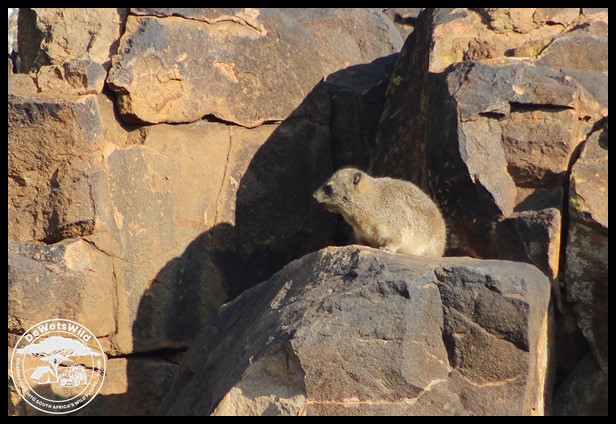
While some will give the title to the Kudu for me it is the Sable Antelope that ought to be crowned King of Africa’s Antelope.

Sable Antelope

Sable Antelope

Sable Antelope

Sable Antelope
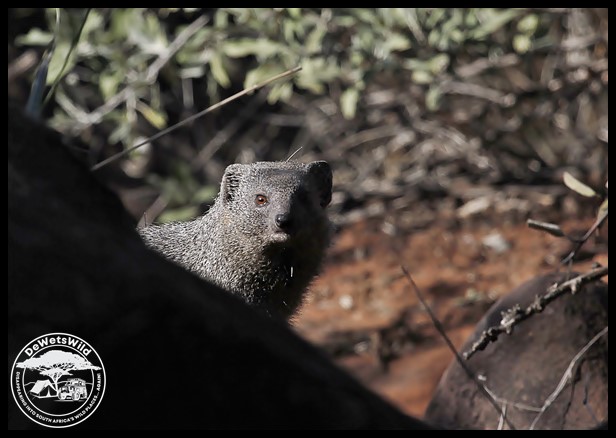
A quick visit by this Cape Grey Mongoose at our bungalow in Lilydale was a very welcome surprise!
One of our national sporting emblems and the country’s national animal, the Springbok is a beautiful antelope of which Mokala has a large population – an absolute delight to behold!

Springbok

Springbok

Springbok

Springbok

Springbok

Springbok

Springbok

Springbok

Springbok

Springbok

Springbok

Springbok

Springbok

Female Black Springbok

Female Black Springbok

Springbok

Springbok (photo by Joubert)
Of Mokala’s smaller antelope the Steenbok is the kind you’ll see most often.

Steenbok

Steenbok

Steenbok

Steenbok

Steenbok (photo by Joubert)
Another antelope that is rather scarce in South Africa but which thrives at Mokala is the Tsessebe, also renowned as being the fastest of all the antelopes.

Tsessebe

Tsessebe

Tsessebe

Tsessebe

Tsessebe (photo by Joubert)
Vervet Monkeys are a lot of fun to watch, though at Mokala, as in many of our other reserves, you shouldn’t trust them with open doors and windows, be it on your vehicle, tent or hut!

Vervet Monkey

Vervet Monkey

Vervet Monkey

Vervet Monkey

Vervet Monkey
Warthogs, with their plucky attitudes, are such lovable creatures even though they won’t win any beauty contests.

Warthog

Warthog

Warthog hurrying to Stofdam

Warthog (photo by Joubert)

Warthogs (photo by Joubert)
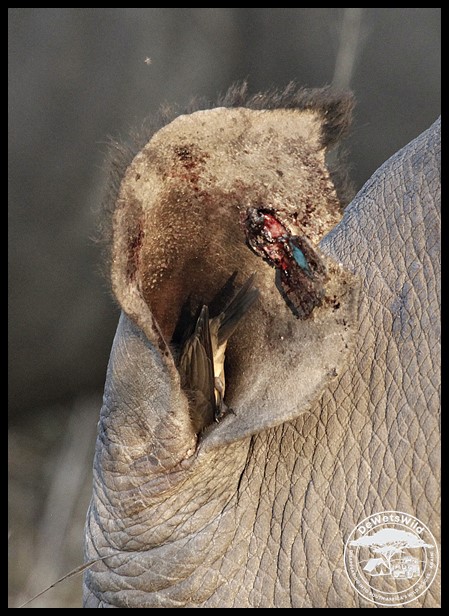
We also had several fantastic sightings of Mokala’s White Rhinos but, due to the continued threat of poaching and the locations where we saw them being easily identifiable I’m regrettably not able to show you any pictures of them in this post.
Remember that DeWetsWild can help you book a stay at Mokala National Park and I’d also be glad to escort you there on a guided tour!