Monthly Archives: December 2012

Ithala Game Reserve: 20 December 2012

We are blessed to be spending the next four nights at one of our favourite South African nature destinations: Ithala Game Reserve in Kwazulu-Natal, South Africa.

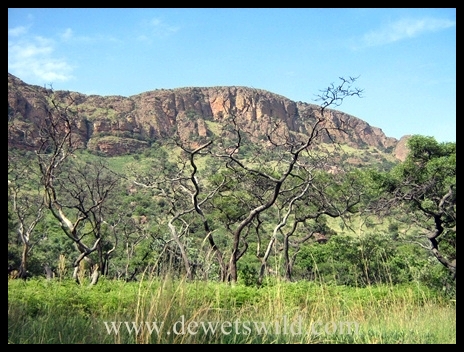
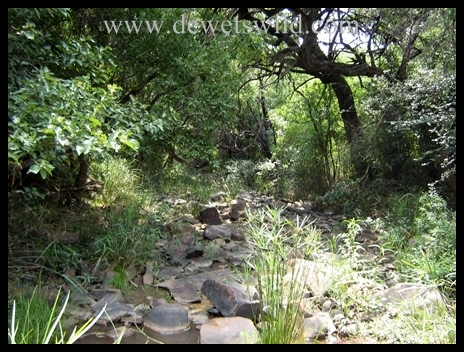
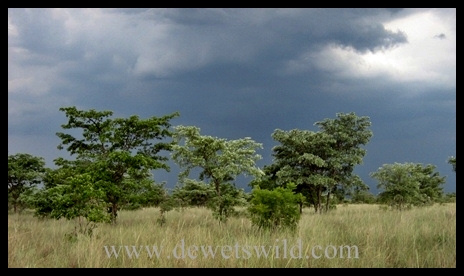
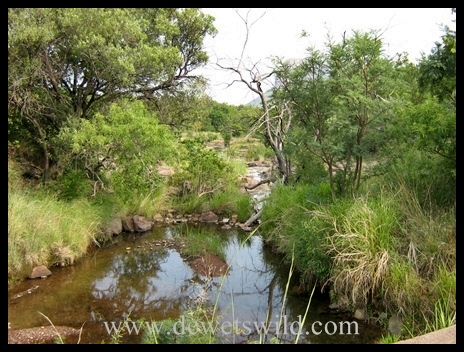
Having left Pretoria just before 03:00 this morning, and driving the 483 kilometres to Ithala’s entrance gate at leisurely pace , we arrived just after 09:00. The reserve is luxuriously green thanks to a lot of recent rain – it started raining again within hours of our arrival. Sitting here typing on the verandah of our chalet in Ntshondwe Camp, darkness has descended around us and the bush is alive with the sounds of the African night –  it’s great to be back!

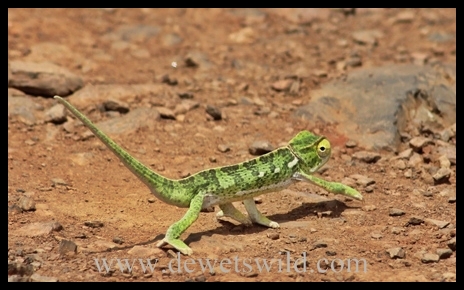
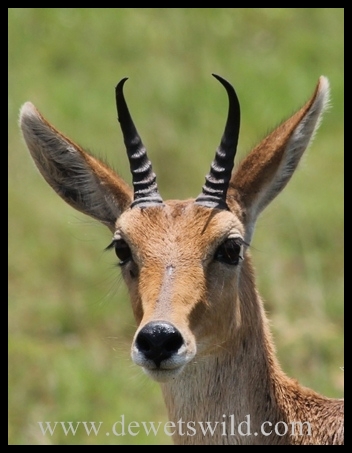
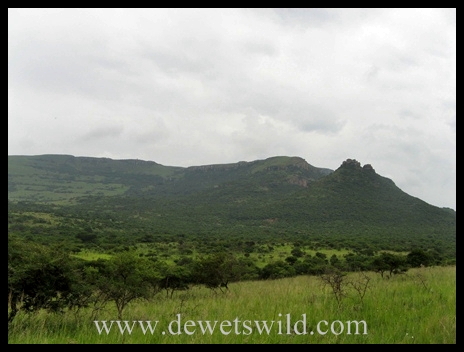
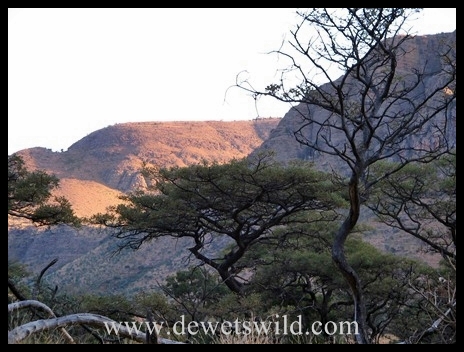
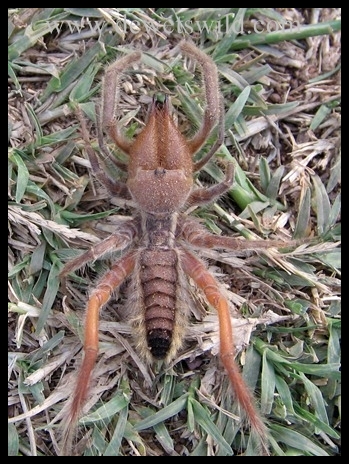
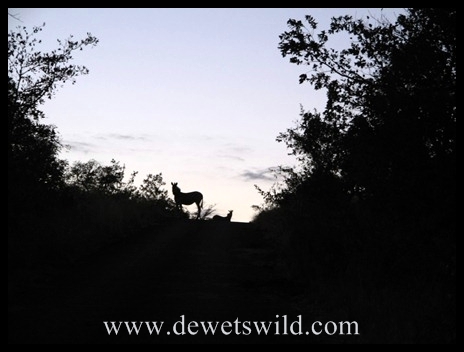
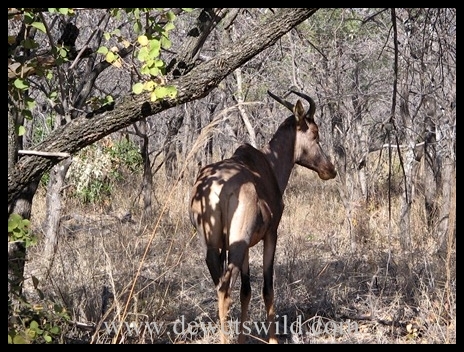
We’ll be posting a full report on our return to the city but here’s three of today’s photo’s as a teaser.

Exploration

We arrived at Ithala Game Reserve this morning, and will be exploring the area along winding routes like this one for the next four days (you can click on the image for a clearer view):

We’re participating in the online adventure travel magazine LetsBeWild.com‘s Wild Weekly Photo Challenge for bloggers. This week’s challenge is “Exploration“.

Marakele National Park

The aptly named Marakele National Park is most certainly a “place of sanctuary” to much of South Africa’s indigenous wildlife, as the translation of the Tswana name suggests.

Located in the Waterberg mountain range in the Limpopo Province, there are two main reasons for the park’s extraordinary diversity of plant and animal life. Firstly, it is located in the transition zone between the country’s drier western and wetter eastern climatic zones. Secondly, it has an impressive altitudinal range between 980 and 2100m above sea level. Thus the park has a rich variety of habitats housing a wide variety of fauna and flora – many of which is endangered or unique to the area, and as a result it forms a core area of the Waterberg Biosphere Reserve.

The Waterberg cycad (Encephalartos eugene-maraisii) is one example of a rare plant species finding sanctuary here at Marakele. This plant was named in honour of naturalist, author and poet Eugene Marais who spent much of his life here in the Waterberg, his work inspired by the beautiful landscapes, fascinating wildlife and warm people of the region.

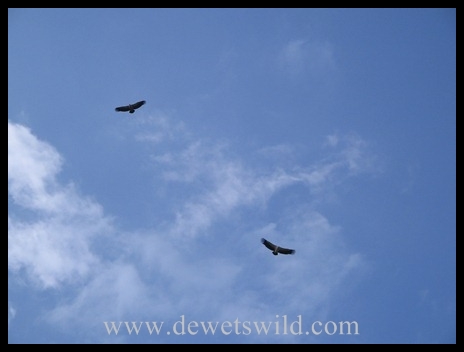
Marakele may be home to Africa’s Big Five, but pride of place certainly goes to the population of Cape Griffon vultures that have made their home among the towering cliffs – at 800 breeding pairs it is one of the biggest colonies of these endangered birds left on the planet.

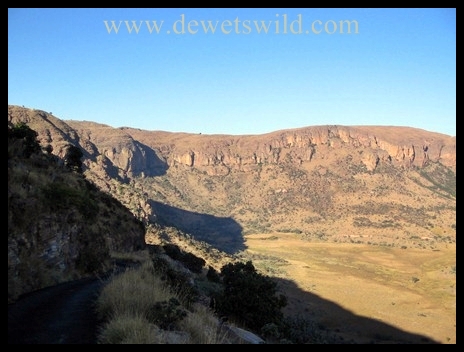
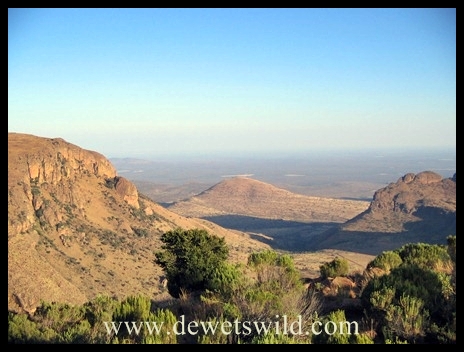
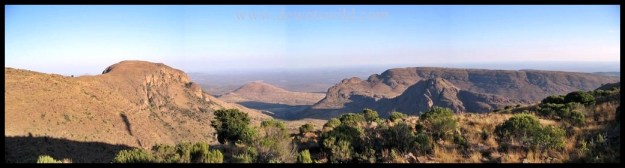
The best place to see the vultures are from the Lenong viewpoint located high on a cliff edge, where they soar by in breath-taking proximity. The very narrow road leading up to the viewpoint may be one of the steepest and most hair-raising drives in South Africa, but the spectacular views from the top is a sight to behold and treasure.


The Park was originally proclaimed in 1986 (then named Kransberg after a prominent peak in the Waterberg range) and has been continuously expanded to its current size of almost 650km². Accommodation is available at Tlopi Tented Camp while the Bontle Camping Area provides decent facilities for caravanners and campers. Guided activities are on offer, and other facilities include a hide next to a waterhole that provides excellent opportunities to photograph birds and game, and two rustic picnic spots.

Visit Marakele National Park and you will soon realise that humans too can find sanctuary from the humdrum of everyday life here.

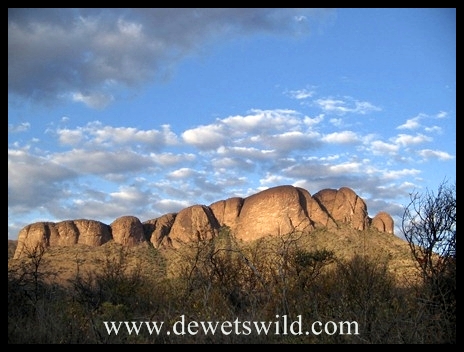
Sunset over Marakele National Park

Delicate

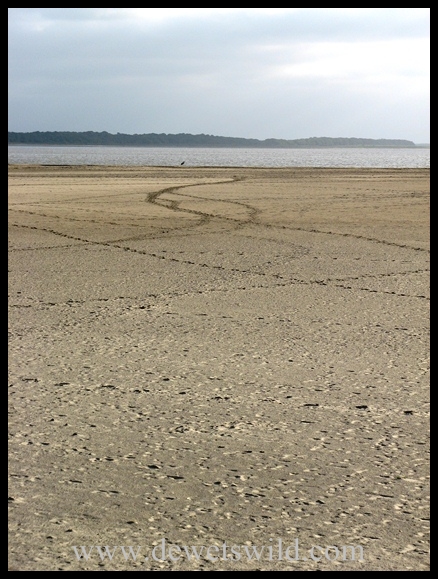
A multitude of animal footprints crossing the delicate mud flats of Lake Saint Lucia, in the iSimangaliso Wetland Park.

Delicate

For more of this weeks challenge go to Weekly Photo Challenge: Delicate.

Flying

The red-billed quelea is considered to be the world’s most numerous bird-species. These seed-eaters occur in huge flocks, sometimes numbering in the millions, and move around seasonally in search of food. These pictures were taken in April of this year, near Satara in the Kruger National Park in South Africa.

(you can click on the images for a clearer view)

We’re participating in the online adventure travel magazine LetsBeWild.com‘s Wild Weekly Photo Challenge for bloggers. This week’s challenge is “Flying“.

Mapungubwe National Park


In the far north-west corner of South Africa’s Limpopo Province, on the border with Botswana and Zimbabwe, is a national park that protects not only a rich and diverse natural landscape, but also a fascinating cultural heritage.

Mapungubwe National Park was officially proclaimed only in 1995 (originally called Vhembe-Dongola National Park) and was conferred World Heritage Site status in 2003, but the area’s rich history dates back much further than that. Atop the inconspicuous Mapungubwe Hill, archaeologists have uncovered evidence of a thriving and advanced African civilisation, dating back to between 900 and 1250AD, trading with countries as far away as Egypt, India and China. This rich cultural heritage is today showcased in an award-winning interpretive centre and guided tours are presented to the archaeological site on and around Mapungubwe Hill.

The Park however has much more to offer nature enthusiasts though. The Park is home to large predators like lion, leopard and spotted hyena, a large number of elephants, many antelope species, zebra and giraffe, a huge variety of birds, reptiles and invertebrates, and interesting plant life – not least of which is the impressive baobabs.

From a cliff-top viewpoint there are magnificent views over the confluence of the Limpopo and Shashe rivers where South Africa, Botswana and Zimbabwe meets, with a well laid-out picnic site nearby.
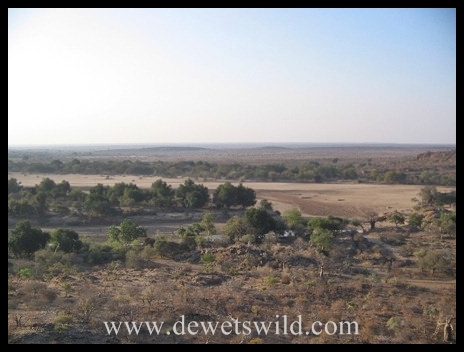
2056 Confluence uitkyk

In the same general vicinity a unique raised walkway – high enough for elephants to walk underneath with ease and almost a kilometre in length – leads through the riverine vegetation on the banks of the Limpopo. Here the fever trees, with their yellow trunks, are particularly beautiful – a notice board at the start of the trail calls into memory a quote from one of Rudyard Kipling’s’ Just So Stories, The Elephant’s Child: “…till at last he came to the banks of the great grey-green, greasy Limpopo River, all set about with fever-trees…”.

The Maloutswa Hide, in the western section of the Park, is another highlight not to be missed. Here, in a shaded, spacious wooden building overlooking a large pan one can easily while away hours watching the animals and birds come and go to slake their thirst at the water’s edge.

SANParks offer overnight accommodation in four camps (Leokwe Rest Camp, Limpopo Forest Tented Camp, Tshugulu Lodge and Vhembe Wilderness Camp) and camping at the Mazhou Campsite, and a variety of guided activities are also on offer.

Today grand plans are being implemented to establish a unified trans frontier conservation area centred on Mapungubwe by incorporating state and private land from the three neighbouring countries – a praise-worthy initiative well worth supporting.

Changing Seasons

The birth of impala lambs in South Africa coincides with the start of summer, with up to 90% of the lambs arriving within a three week period at the end of November and early December. These lambs were photographed at the Ithala Game Reserve last year.

(you may click on the image for a clearer view)

For more of this weeks challenge go to Weekly Photo Challenge: Changing Seasons.

Peaceful

This tranquil sunrise scene was photographed near Skukuza in the Kruger National Park, ironically at a location called Lake Panic due to the large number of crocodiles and other predators and other dangerous animals that lurk in the vicinity. To us, there is no place where we feel more at peace than in the Kruger Park.

Peaceful

We’re participating in the online adventure travel magazine LetsBeWild.com‘s Wild Weekly Photo Challenge for bloggers. This week’s challenge was “Peaceful” and we’re very happy to have been awarded another honorable mention for our entry!

Honorable Mention