
With poaching still an enormous concern in South Africa it was wonderful to enjoy a couple of great sightings of white rhinos during our 2024 Manyeleti Magic photographic safari in June.

White Rhino

White rhinos

White Rhino cow and calf

White Rhino
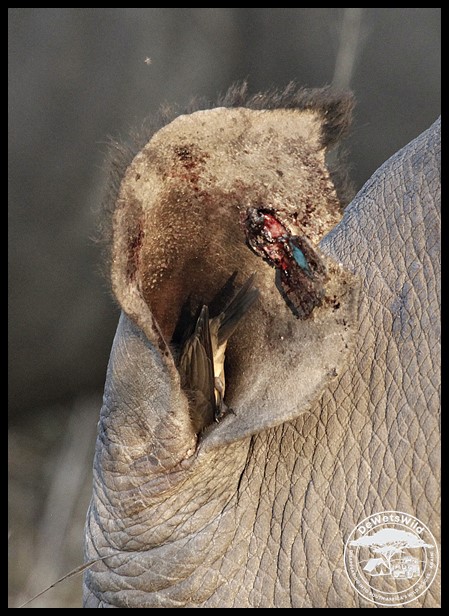
Invariably the rhinos we saw were accompanied by both red- and yellow-billed oxpeckers that were not at all shy about the intimate spaces they were inspecting for ticks!

Red-billed Oxpecker inspecting a White Rhino’s ear

Red-billed Oxpecker diving into a White Rhino’s ear

Red-billed Oxpecker

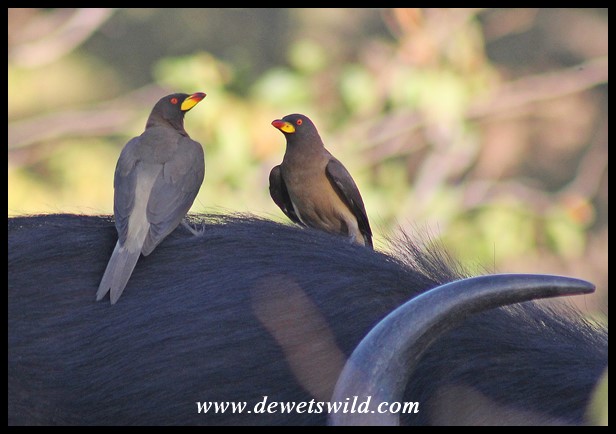
Yellow-billed Oxpecker

Red- and Yellow-billed Oxpeckers sharing a rhino
We’re already taking bookings for our 2025 Manyeleti Magic Photographic Safari and Workshop, to be conducted out of Buffelshoek Camp again in June of next year in conjunction with Hannes Rossouw Photography. Contact us if you’d like to join this one, or if you and a group of family and friends are keen to do something similar on other dates we’d be very glad to accommodate you!


 DeWetsWild