
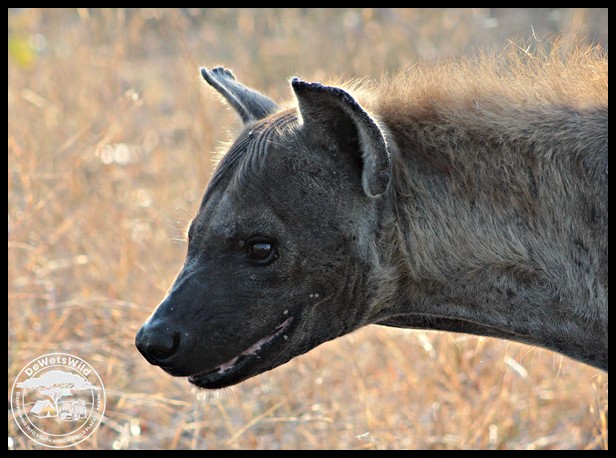
I’ve dedicated this post to the scavenger animals and birds we encountered while touring the Kruger National Park in October. These creatures are often terribly maligned, despite the vital function they perform in healthy ecosystems.
I have a real liking for Spotted Hyenas. They’re nothing like the cowardly scoundrels popular media would have you believe. They’re intelligent and fascinating creatures and spending a little bit of time with them, observing their behaviour and interactions, will quickly convince you of that. I was very happy that we had so many close encounters with hyenas during or October trip to Kruger.


Our vultures are in crisis. Due to poisoning and habitat loss all the species occurring in the country are now at dire risk of extinction, and it is vital that wilderness’ like the Kruger National Park remain safe havens for these birds fulfilling such a critical task in the ecosystem. We had many sightings of vultures on the wing, pairs at nests and others sitting exposed on the open branches of tall trees, and twice had the pleasure of watching them peck at and squabble over the carcasses of large animals (a buffalo and an elephant respectively).


Some birds and animals are opportunistic more than they’re scavengers. This Yellow-billed Kite is making the most of a windfall spurfowl that was the victim of a hit-and-run on the main road between Satara and Letaba.


Finishing off this post with a few images of another mammal that catches far more of its own food than it scavenges. Black-backed Jackals are the most numerous canid in the Kruger National Park and any visit to the Park will usually yield a few sightings of them. Finding a den however is a rare occurrence, so having the good luck of timing our visit to Satara with the local jackal pair in the family way was wonderful (even if the adorable family caused a traffic jam at the entrance gate to the camp every evening that they played outside just before dark)!


I am a fully accredited and legally registered tour guide (with all the necessary insurance, professional drivers license and first aid certification) – don’t hesitate to reach out if you’d like me to arrange a guided tour of beautiful South Africa and all her natural wonders, like the Kruger National Park, for you as well, or even just to assist with your holiday reservations for our national parks and nature reserves throughout the country.


 DeWetsWild