Equus quagga
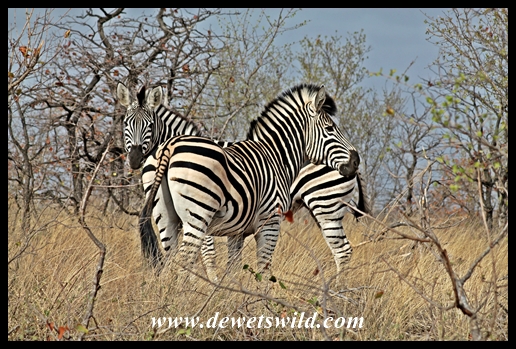
The photogenic plains zebra is one of Africa’s most familiar and popular large game animals and they occur in good numbers in protected areas almost all over South Africa.

Plains Zebra

Plains Zebra

Plains Zebra on the move

Plains Zebra

Plains Zebra

Plains Zebra

Plains Zebra

Plains Zebra

Plains Zebra

Plains Zebra

Plains Zebra

Plains Zebra

Plains zebra

Plains Zebra stallion, sporting battle scars

Plains Zebra

Plains Zebra

Plains Zebra

Plains Zebra
They occur in small and relatively stable family groups of up to 30 animals, consisting of a dominant stallion, up to nine mares and their foals of various ages. Young stallions are kicked out of their maternal groups at about the age of three years, and then band together in bachelor groups. Larger groups, that sometimes number into the thousands, are aggregations of these family and bachelor groups. Adults are normally very protective of the foals, though stallions will often kill foals when they take over a family group from another stallion.

Plains zebras

Plains Zebras

Plains Zebra

Plains Zebras

Plains Zebras drinking at Zincakeni Dam

Plains Zebra

Plains Zebra

Plains Zebra

Plains Zebra

Plains Zebra

Plains Zebra

Plains Zebras

Plains Zebras

Plains Zebras

Plains Zebra

Herd of Plains Zebra on the move

Plains Zebra

Plains Zebras

Plains Zebras

Plains Zebra

Plains Zebra

Plains Zebra

Plains Zebra

Plains Zebras

Plains Zebras

Plains Zebras

Zebra foal

Plains Zebras

Plains Zebra

Plains Zebra on the run
Plains zebra inhabits open grasslands and bushveld and avoid densely vegetated areas. They are extremely dependant on water and need to drink daily, and subsists almost exclusively on a diet of grass.

Plains Zebras

Plains Zebra

Plains Zebras

Plains Zebras

Plains Zebras in Mapungubwe National Park (photo by Joubert)

Plains Zebras

Plains Zebra

Plains Zebra mare and newborn foal

Plains Zebra

Plains Zebras in Mapungubwe National Park

Plains Zebras drinking at a waterhole in Mapungubwe National Park

Plains Zebra (Photo by Joubert)

Plains Zebras fighting

Plains Zebras

Plains Zebra

Plains Zebra

Plains Zebra

Plains Zebra close-up

Plains Zebras

Plains Zebra mare and foal (with a photo-bombing cattle egret)

Plains Zebra searching for fresh green shoots
Foals are born at any time of the year, though births peak around the start of the rainy season. The foals can stand and walk within twenty minutes of birth and are suckled until about 13 months of age. Adults weigh between 220 and 340kg (stallions being only slightly heavier than adult mares) and stand up to 1.4m high at the shoulder.

Plains Zebra

Plains Zebra

Plains Zebra mare and foal

Many of Mokala’s Plains Zebras have fewer stripes that animals in most other populations

Plains Zebra

Plains Zebras

Many of Mokala’s Plains Zebras have fewer stripes that animals in most other populations

Plains Zebra

Plains Zebra

Many of Mokala’s Plains Zebras have fewer stripes that animals in most other populations

Many of Mokala’s Plains Zebras have fewer stripes that animals in most other populations

Plains Zebras

Zebra foal

Plains Zebra foal drinking

Plains Zebras

Plains Zebras

Many of Mokala’s Plains Zebras have fewer stripes that animals in most other populations

Many of Mokala’s Plains Zebras have fewer stripes that animals in most other populations

Plains Zebra

Plains Zebra

Plains Zebra

Plains Zebras

Plains Zebras

Many of Mokala’s Plains Zebras have fewer stripes that animals in most other populations

Plains Zebra mare and foal

Plains zebra

Zebra foal

Plains Zebra

Plains Zebra

Plains Zebra foal

Zebra foals mutual grooming

Plains Zebra family

Zebras in the rain…

Plains Zebra

Plains Zebra (photo by Joubert)

Plains Zebra

Many of Mokala’s Plains Zebras have fewer stripes that animals in most other populations

Many of Mokala’s Plains Zebras have fewer stripes that animals in most other populations

Many of Mokala’s Plains Zebras have fewer stripes that animals in most other populations

Plains Zebra

Plains Zebra

Plains Zebra
Zebras are a favourite prey of lions and spotted hyenas, and foals also often fall prey to leopards, cheetahs and wild dogs. As a result, their life expectancy in the wild is usually below 20 years.

Plains zebra

Plains Zebra

Plains Zebra

Plains Zebra

Plains Zebras

Plains Zebras on the aptly named Kwaggasvlakte (photo by Joubert)

Plains Zebra mare and foal

Plains Zebra (photo by Joubert)

Plains Zebras

Plains Zebras

Plains Zebra and White Rhino sharing a waterhole

Zebras at sunrise

Plains Zebra on a hillside

Plains Zebra foal getting a tail in the face

Plains zebra mare and foal

A dazzle of zebra on the plains south of Pafuri

Plains Zebra (photo by Joubert)

Plains Zebra

Plains Zebra

Plains Zebra

Plains Zebras

Plains Zebra

Plains Zebra stallion

Plains Zebra

Plains Zebras

Plains Zebras

Plains Zebras

Plains Zebras

Plains Zebra

Plains Zebra foals

Plains zebra

Plains Zebra foal

Huge herds of plains zebra congregating along the Mnondozi stream

Plains Zebra with muddy socks

Plains Zebra

Zebras and marulas outside Satara

Thirsty baby zebra

Plains Zebras gathering at a waterhole in the Shingwedzi River

Plains Zebra close-up

Plains Zebra playing in the mud

Plains Zebra

Plains Zebra drinking

Plains Zebra stallion

Plains Zebra

Plains zebra

Plains Zebra mare and foal (photo by Joubert)

Plains Zebra

Plains Zebra stallion (photo by Joubert)

Plains Zebras

Plains zebra

Another energetic zebra

Plains Zebra

Plains Zebra

Huge congregation of zebra at Mooiplaas

Plains Zebra (photo by Joubert)

Plains Zebra

Plains Zebra

Plains Zebra altercation

Plains Zebra

Heavily pregnant Plains Zebra mare

Plains Zebra

Plains Zebra

Plains Zebra close-up (photo by Joubert)

Plains zebra and foal

Plains Zebra

Plains Zebra foal

Plains Zebras

Plains Zebra mare and foal

Plains Zebras (photo by Joubert)

Plains Zebra

Plains Zebra

Plains zebra

Plains Zebras (photo by Joubert)

Zebra altercation

Plains Zebras

Plains Zebra

Playful Plains Zebra stallion

Plains Zebra female and foal

Plains Zebra (photo by Joubert)

Plains Zebra trying to trip an opponent

Zebra huddle (photo by Joubert)

Plains Zebra (photo by Joubert)

Plains Zebra with unique pattern

Plains Zebra

Plains Zebra

Plains Zebra foal

Plains Zebra stallion close-up (photo by Joubert)

Plains Zebra smile

Two very dusty zebras (photo by Joubert)

Thirsty Zebra foal

Plains Zebras

Plains zebra

Plains Zebra Trio (photo by Joubert)

Plains zebras drinking from Grootvlei Dam

Loving Zebras

Plains Zebra

Plains Zebra

Plains Zebras on the run

Plains Zebra portrait
One of the most inspiring conservation projects in South Africa is the breeding of zebras that resemble the extinct quagga (Equus quagga quagga), the southernmost subspecies of the plains zebra that was hunted to extinction in the late 1870’s, with the last specimen of this uniquely South African species of horse, a mare, dying in distant Amsterdam Zoo in 1883. Over a century later however it was realised, through DNA analysis, that the quagga was a localised race of the still extant plains zebra, and the Quagga Project came into being to try and bring them back through selective breeding. With each subsequent generation showing more and more quagga-like characteristics, one day we may again see true-to-form quaggas roaming their native country in vast numbers.

Plains Zebra with very Quagga-like markings in the Nuwejaars Wetland

One of the Nuwejaar’s Wetland’s prized “quaggas”

Three of the Nuwejaar’s Wetland’s prized “quaggas”

Three of the Nuwejaar’s Wetland’s prized “quaggas”

A herd of “quaggas” mixing with buffaloes – a sight not seen in this part of the world for hundreds of years!

A herd of “quaggas” mixing with buffaloes – a sight not seen in this part of the world for hundreds of years!

A herd of “quaggas” mixing with buffaloes – a sight not seen in this part of the world for hundreds of years!

A herd of “quaggas” mixing with buffaloes – a sight not seen in this part of the world for hundreds of years!

Three bachelor “quaggas” at the Nuwejaars Wetlands

Bachelor “quagga” at the Nuwejaars Wetlands

Bachelor “quaggas” at the Nuwejaars Wetlands



 DeWetsWild