
A wonderful consequence of the water wonderland that is the iSimangaliso Wetland Park now, is the incredible numbers of amphibians evident throughout the Park. I’m featuring just a few of them here.
Driving around the Park you cannot escape the calls of the Painted Reed Frogs, though they’re almost impossible to see without stepping out of your vehicle and searching for them (which isn’t allowed, due to the presence of dangerous animals). I was therefore very impressed with myself when I saw this Painted Reed Frog as I was driving by. See how small it is!


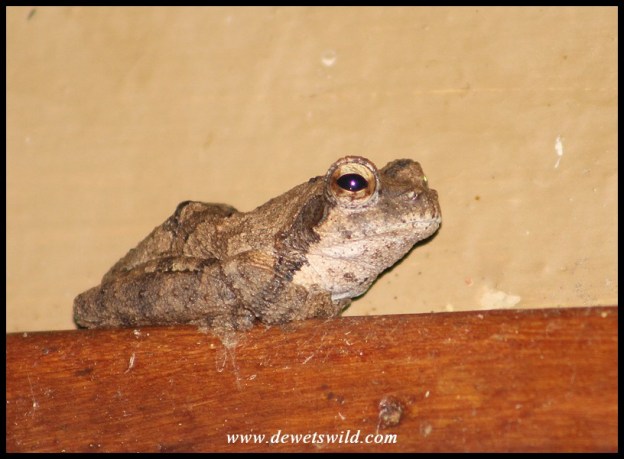
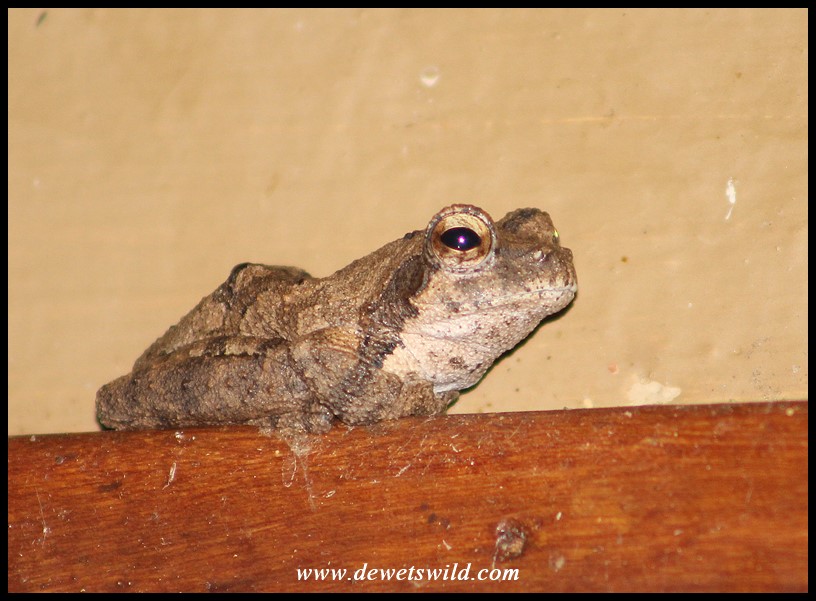
While using the facilities at one of the stopping points on the Western Shores of Lake Saint Lucia I noticed this Peeping Tom hiding in a corner. It is a Red Toad and I left him there to amuse the next visitor as well…

Red Toad in an ablution block in the Western Shores section of the iSimangaliso Wetland Park
Platannas seem to have quickly colonized all the newly formed stretches of water in the iSimangaliso Wetland Park, but usually quickly dive under water at the slightest disturbance. It was pleasing to find one that wasn’t too shy to pose for a few photo’s.


It would be better if it cultivated a more apprehensive disposition though, because Platannas are on the menu of many waterbirds and in the 10 days I spent in iSimangaliso on this latest trip I saw many a Platanna disappearing down a gullet.
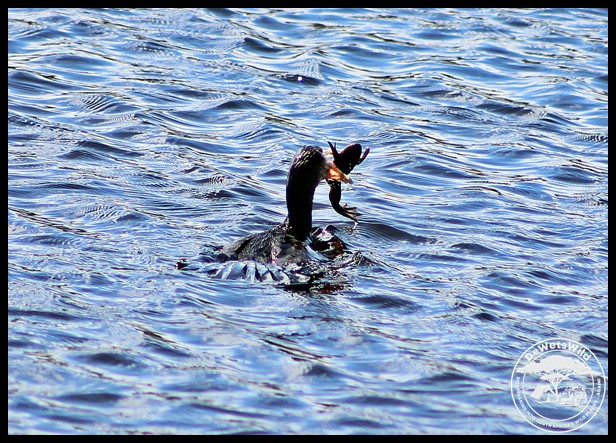
Reed Cormorant with a Platanna
After dark, hundreds of immature African Bull Frogs emerged onto the roads, especially following rainy days.

Immature African Bull Frog on a road in the iSimangaliso Wetland Park
Kumasinga Hide at uMkhuze Game Reserve has turned into a paradise for Southern Foam Nest Frogs, with dozens of the cute little creatures clinging to the hide’s framework, with a few foam nests already constructed over the water and a few still in the making (allowing me to make a video of the process).


Remember that DeWetsWild will gladly assist you with reservations and guided tours of the iSimangaliso Wetland Park if you’d like to visit this wonderful place as well.


 DeWetsWild