When we first walked to the KuMfazana hide on our recent visit to the iSimangaliso Wetland Park, we didn’t quite find what we expected. Normally, if the pans in front of the hide holds water, there are hippos and crocodiles and a myriad of water-dependent birds to keep visitors entertained for hours. This time however it was the walkway through the swamp forest to the hide that held us enthralled for hours, and not because of some “hairy and scary” creatures either…

We dubbed this stretch of the walkway to the hide at kuMfazana “Butterfly Glen”
It was thanks to the sheer numbers and diversity of butterflies to be seen along this short walk that we visited kuMfazana almost daily for the week that we were at Cape Vidal in January 2021. Last time I saw anything like it was during a solitary autumn visit to the Kruger National Park in 2019. iSimangaliso’s rich plantlife and habitats supports an extraordinary list of butterfly species, each seemingly more beautiful than the one you’ve seen just before. Other spots in the Park, most notably at Cape Vidal and Mission Rocks, also contributed to the bounty but none so richly as kuMfazana. I really hope this gallery gives you an idea of what we experienced that week.

Green-banded Swallowtail butterflies

Green-banded Swallowtail butterflies

Novice butterflies

Novice butterfly

Natal Tree Nymph butterfly

Small Orange Tip

Small Orange Tip butterfly

African Monarch

African Monarch

African Common White

African Migrant

African Monarchs mating

African Monarch

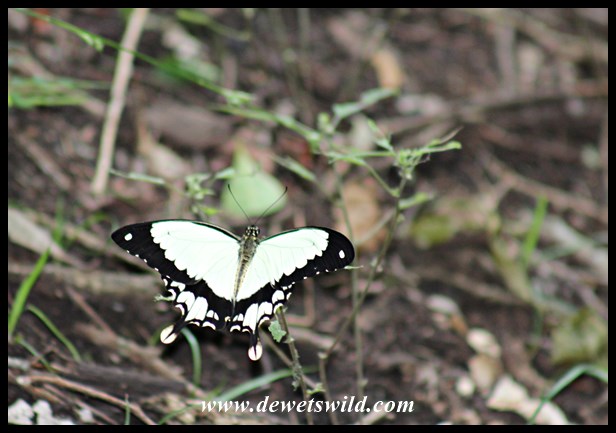
Female Mocker Swallowtail mimicking the Layman butterfly

Variable Diadem

Female Mocker Swallowtail mimicking the Layman butterfly

False Dotted Border

Common Bush Browns in flight

Blue Pansy

Wanderer butterfly

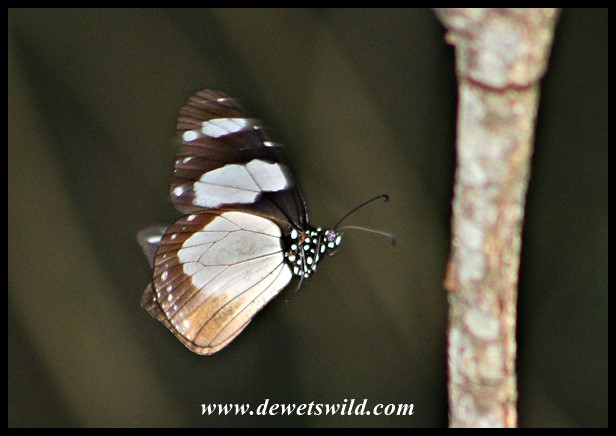
Female Mocker Swallowtail mimicking the Novice butterfly

Natal Acraea

Female Mocker Swallowtail mimicking the Friar butterfly

Female Mocker Swallowtaill mimicking the Friar butterfly

Forest Leopard butterfly

Forest Leopard butterfly

False Dotted Border

African Migrant

African Migrant

Chief butterfly

Wanderer butterfly

Novice butterfly

Chief butterfly

Novice butterfly

Common Diadem (female) mimicking African Monarch

Green-banded Swallowtail

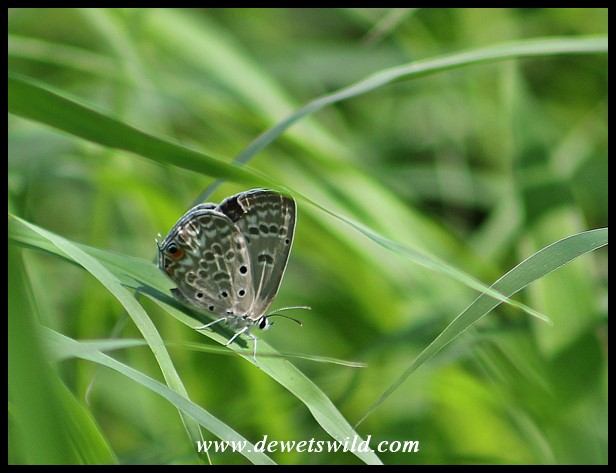
Natal Blue butterfly

Forest Leopard butterfly

Streaked Sailer butterfly

An unidentified member of the Tip-family of butterflies

Novice butterflies

Citrus Swallowtail

Streaked Sailer

Streaked Sailer

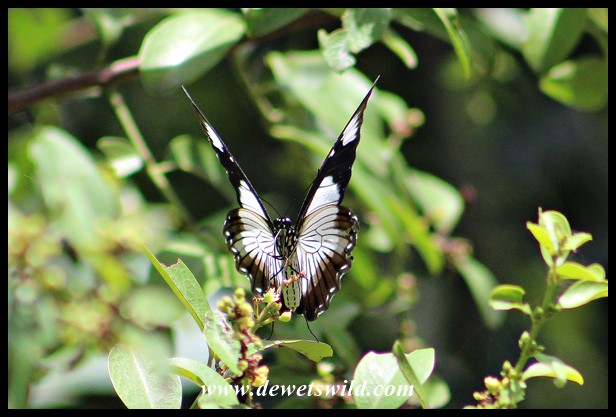
A Flying Handkerchief – the male Mocker Swallowtail

Streaked Sailer

Spotted Hairtail

African Wood White

Novice butterflies (photo by Joubert)

Novice butterflies (photo by Joubert)

African Monarch

Citrus Swallowtail

False Swift butterfly

A Flying Handkerchief – the male Mocker Swallowtail

Boisduval’s Tree Nymph (female)

Boisduval’s Tree Nymph (female)

Boisduval’s Tree Nymph (male)

Natal Tree Nymph

Natal Tree Nymph

Golden Piper butterfly

Small-striped Swordtail

Small-striped Swordtail (photo by Joubert)

Common Bush Brown

Novice (Amauris ochlea)
While not nearly as conspicuous as their butterfly cousins there also was a few eye-catching moths to be found.

Sundowner Moth

Unidentified moth species

Unidentified caterpillar, probably of a moth species

Unidentified caterpillar, probably of a moth species
The diversity of dragonflies on the eastern shores of Lake St. Lucia almost matches that of the butterflies, and I was frustrated at not being able to identify the species most of them belonged to. Realising how little I actually know about these often seen insects I’m determined to remedy that as soon as possible.

Violet Dropwing Dragonfly female (photo by Joubert)

Violet Dropwing Dragonfly (female)

Common Tigertail Dragonfly

Jaunty Dropwing Dragonfly

Jaunty Dropwing Dragonfly (female)

Violet Dropwing Dragonfly

African Piedspot Dragonfly

Violet Dropwing Dragonfly (female)

Julia Skimmer Dragonfly

Unidentified Dragonfly (photo by Joubert)

Broad Scarlet Dragonfly
Insects of all kinds thrive in iSimangaliso’s sub-tropical climate. Regrettably that includes mosquitoes…

Wasp of the genus Stizus

Carpenter Bee Robber Fly

Dung Beetle with his bounty

Dung Beetle

Adult Antlion

Unidentified Flightless Wasp

Elegant Grasshopper

Elegant Grasshopper
When we saw a spider-hunting wasp dragging a paralysed sac spider to its nest I must admit to getting a large dose of pleasure from the hapless spider’s predicament. Sac spiders are among the most venomous spiders in South Africa and responsible for most of the serious spider bites suffered in our country. They deliver a nasty bite of cytotoxic venom and the bite-site is prone to secondary infection. The reason for my schadenfreude? A sac spider bit a then infant Joubert resulting in a visit to the emergency room late night on a New Years eve a few years ago…

Wasp with Sac Spider prey

Wasp and Sac Spider prey
-27.636136
32.582520








 DeWetsWild