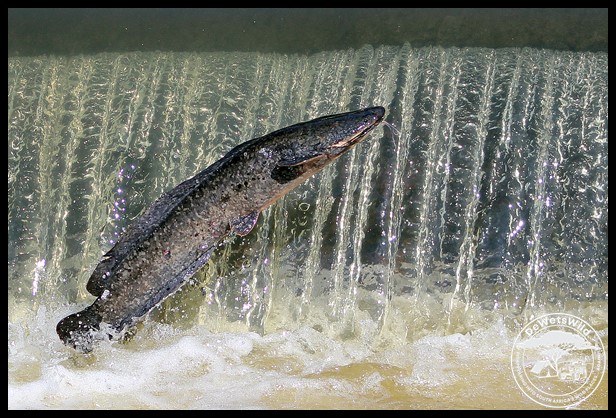
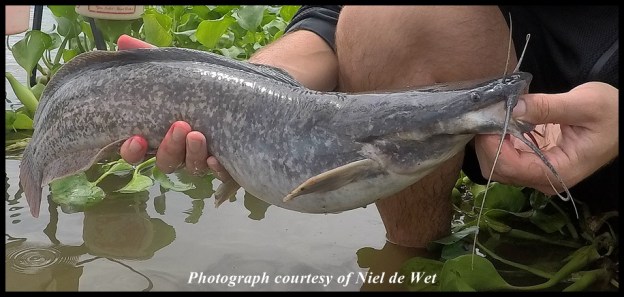
During a visit in November to Rietvlei Nature Reserve on Pretoria’s outskirts, along with friend and colleague Hannes Rossouw, we were treated to the show of hundreds of Sharptooth Catfish trying to move upstream following a good downpour the day before. What an amazing spectacle it was!

Sharptooth Catfish moving upstream in the Rietvlei Nature Reserve

Sharptooth Catfish moving upstream in the Rietvlei Nature Reserve

Sharptooth Catfish moving upstream in the Rietvlei Nature Reserve

Sharptooth Catfish moving upstream in the Rietvlei Nature Reserve

Sharptooth Catfish moving upstream in the Rietvlei Nature Reserve

Sharptooth Catfish moving upstream in the Rietvlei Nature Reserve

Sharptooth Catfish moving upstream in the Rietvlei Nature Reserve

Sharptooth Catfish moving upstream in the Rietvlei Nature Reserve

Sharptooth Catfish moving upstream in the Rietvlei Nature Reserve

Sharptooth Catfish moving upstream in the Rietvlei Nature Reserve

Sharptooth Catfish moving upstream in the Rietvlei Nature Reserve

Sharptooth Catfish moving upstream in the Rietvlei Nature Reserve

Sharptooth Catfish moving upstream in the Rietvlei Nature Reserve

Sharptooth Catfish moving upstream in the Rietvlei Nature Reserve

Sharptooth Catfish moving upstream in the Rietvlei Nature Reserve

Sharptooth Catfish moving upstream in the Rietvlei Nature Reserve

Sharptooth Catfish moving upstream in the Rietvlei Nature Reserve

Sharptooth Catfish moving upstream in the Rietvlei Nature Reserve

Sharptooth Catfish moving upstream in the Rietvlei Nature Reserve

Sharptooth Catfish moving upstream in the Rietvlei Nature Reserve

Sharptooth Catfish moving upstream in the Rietvlei Nature Reserve

Sharptooth Catfish moving upstream in the Rietvlei Nature Reserve

Sharptooth Catfish moving upstream in the Rietvlei Nature Reserve
The reason why they’re moving upstream is to mate and lay eggs in newly inundated areas. These catfish were videoed at the Marais Dam in the reserve, vying for mating rights and the best spots to lay and fertilise their eggs.
Remember that I am available to escort you on a guided tour of the Rietvlei Nature Reserve when you visit Pretoria, and that Hannes will gladly accompany us if you’re looking for tips from an expert wildlife photography tutor!


 DeWetsWild