Tag Archives: Bontle

Beautiful Bontle

It seems only fitting that we should start the report back on our recent visit to Marakele National Park at Bontle, the beautiful little bushveld campground set on the plains below the imposing Waterberg mountains, and that we called home during our three night stay.

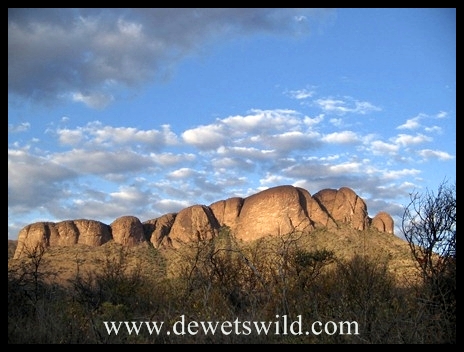
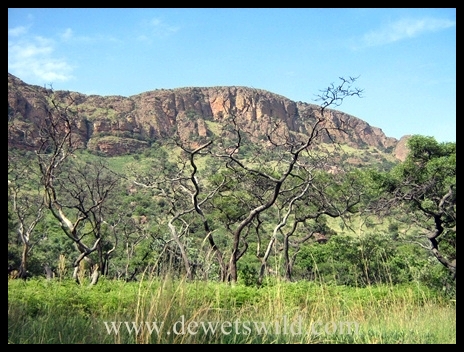
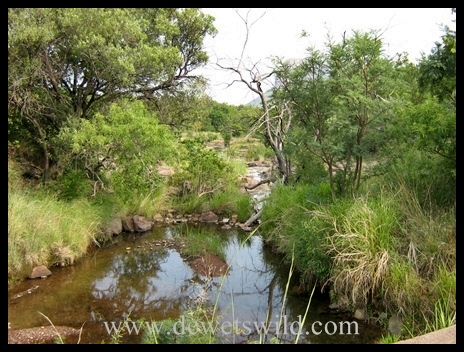
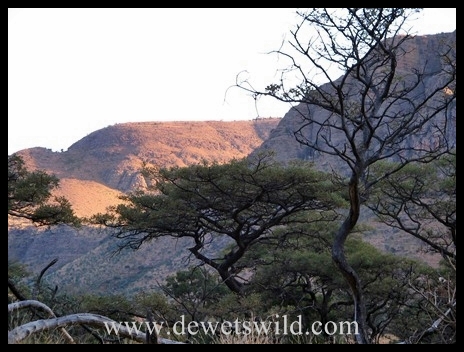
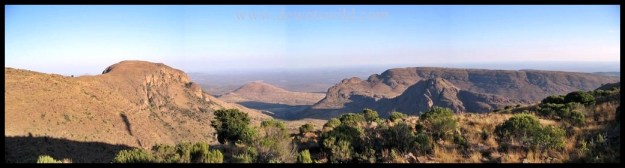
Bontle actually means “beautiful” in Setswana, and surveying the place from beneath a shady tree you can’t help but agree. Just outside the camp a waterhole attracts a constant stream of birds and animals, with a range of low hills to the south forming a beautiful backdrop to the scene.
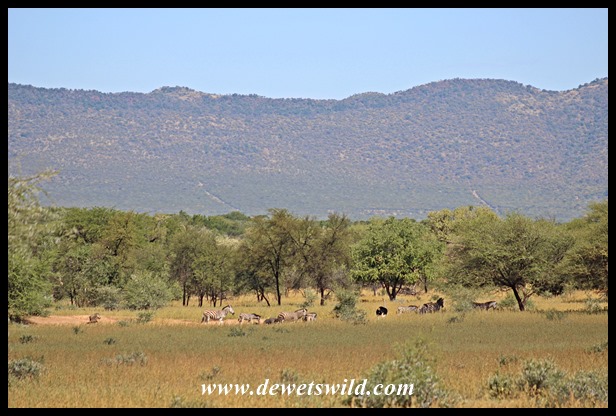
View from Bontle

View from Bontle

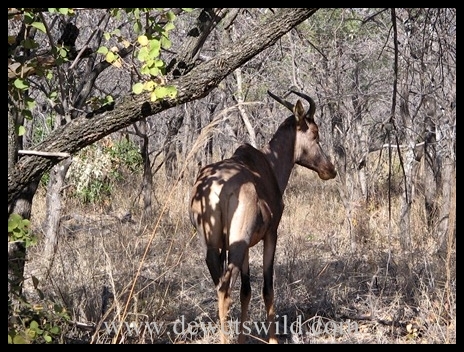
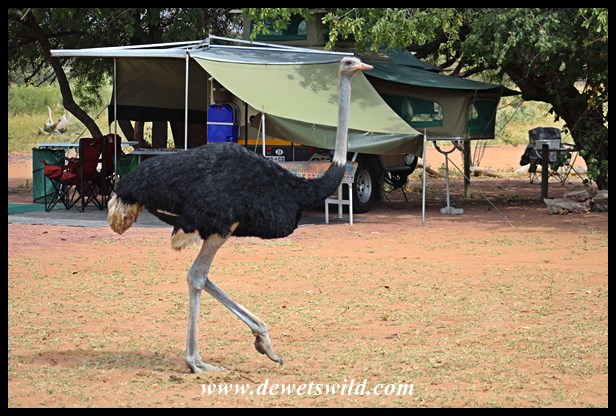
Wildlife has open access to Bontle, which is unfenced. While you don’t have to be concerned about being trampled by an elephant or eaten by a lion (these species occur elsewhere in Marakele, but not in the Kwaggasvlakte-section where Bontle’s located) you may well find yourself at close quarters with a variety of birds, various species of antelope, warthogs, zebras, giraffes, monkeys, baboons, bushbabies, springhares, jackals, ostriches and even white rhinos when you pop your head out your tent!

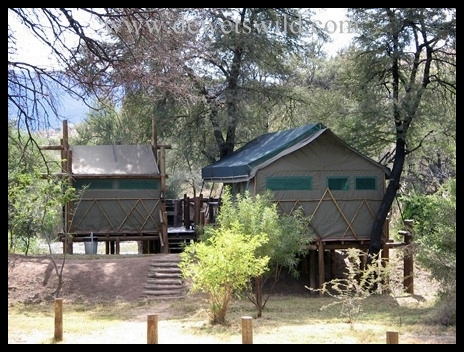
The campground accommodates 36 tents and caravans (all the campsites have electric plugpoints) around three communal ablution blocks (one of which is accessible to campers in wheelchairs). Ten safari tents are fairly recent additions to the offering at Bontle. Four of them sleep 4 guests each and the others 2 each. One of the two-bed tents have also been built with the needs of guests in wheelchairs in mind. The little kiosk at the entrance gate and reception office, about 1.5km from Bontle, conveniently stocks firewood, ice, sweets and cold drinks. Stock up on fuel and groceries in the nearby town of Thabazimbi.

This was our first stay at Bontle (managed by South African National Parks); on previous visits to Marakele we stayed at Tlopi Tented Camp in the bigger portion of the Park where the “Big-5” roam. But now that we’ve had a taste of Bontle’s beautiful tranquility it is hard to imagine that we’ll be able to resist the urge to return for very long.
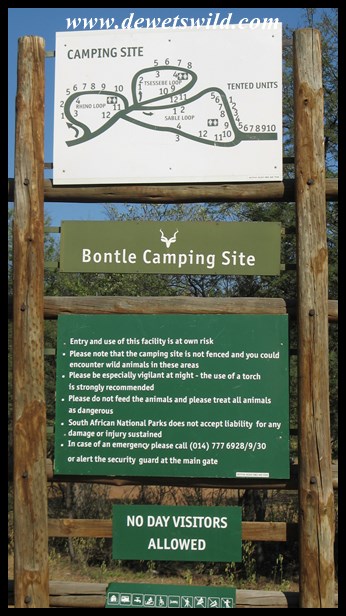
Welcome to Bontle!

Welcome to Bontle!

More on Marakele in upcoming editions of de Wets Wild!
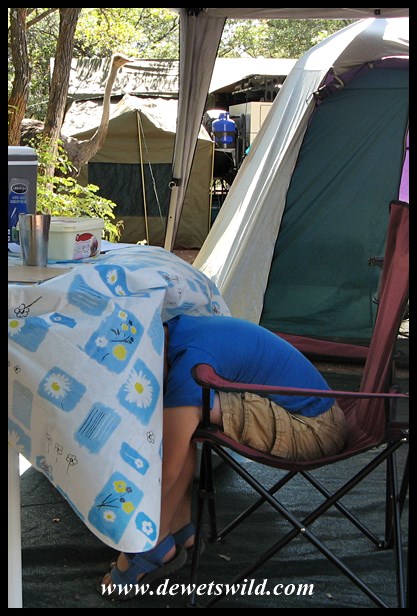


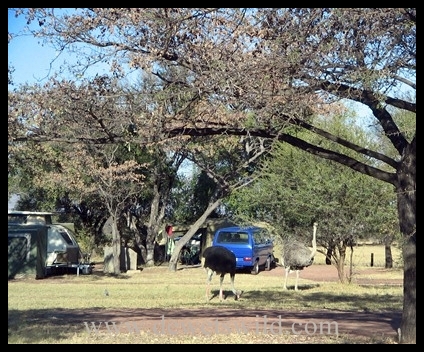
Hiding from an ostrich, like an ostrich…

Wildlife moves freely through the campsites at Bontle, in the Marakele National Park. Here Joubert demonstrates just how to hide from an inquisitive female ostrich…

Marakele_30Apr-2Mei2016 (2)

We’ve come to the end of our long weekend at Marakele, and will share some of this wonderful Park’s sights with you in upcoming editions of de Wets Wild – stay tuned!


Marakele breakaway

It is the Workers’ Day long weekend in South Africa, and we’re spending it camping at peaceful Bontle Camp in the Marakele National Park.

Marakele 29Apr2016

Marakele National Park

The aptly named Marakele National Park is most certainly a “place of sanctuary” to much of South Africa’s indigenous wildlife, as the translation of the Tswana name suggests.

Located in the Waterberg mountain range in the Limpopo Province, there are two main reasons for the park’s extraordinary diversity of plant and animal life. Firstly, it is located in the transition zone between the country’s drier western and wetter eastern climatic zones. Secondly, it has an impressive altitudinal range between 980 and 2100m above sea level. Thus the park has a rich variety of habitats housing a wide variety of fauna and flora – many of which is endangered or unique to the area, and as a result it forms a core area of the Waterberg Biosphere Reserve.

The Waterberg cycad (Encephalartos eugene-maraisii) is one example of a rare plant species finding sanctuary here at Marakele. This plant was named in honour of naturalist, author and poet Eugene Marais who spent much of his life here in the Waterberg, his work inspired by the beautiful landscapes, fascinating wildlife and warm people of the region.

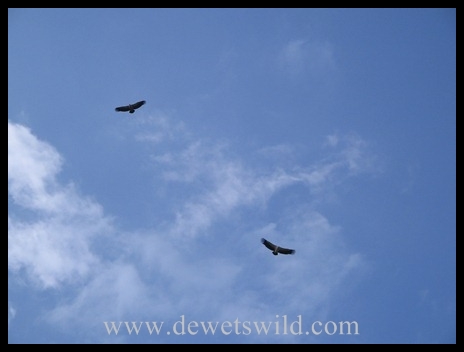
Marakele may be home to Africa’s Big Five, but pride of place certainly goes to the population of Cape Griffon vultures that have made their home among the towering cliffs – at 800 breeding pairs it is one of the biggest colonies of these endangered birds left on the planet.

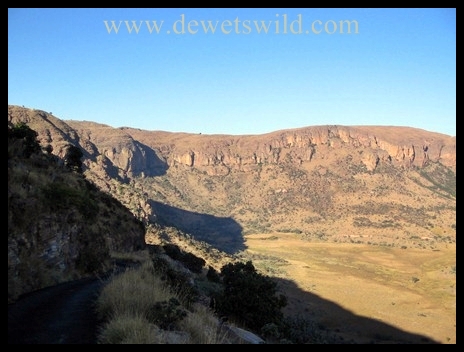
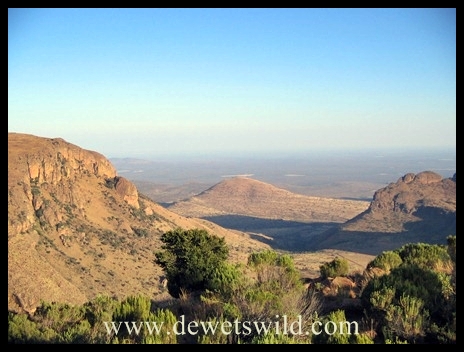
The best place to see the vultures are from the Lenong viewpoint located high on a cliff edge, where they soar by in breath-taking proximity. The very narrow road leading up to the viewpoint may be one of the steepest and most hair-raising drives in South Africa, but the spectacular views from the top is a sight to behold and treasure.


The Park was originally proclaimed in 1986 (then named Kransberg after a prominent peak in the Waterberg range) and has been continuously expanded to its current size of almost 650km². Accommodation is available at Tlopi Tented Camp while the Bontle Camping Area provides decent facilities for caravanners and campers. Guided activities are on offer, and other facilities include a hide next to a waterhole that provides excellent opportunities to photograph birds and game, and two rustic picnic spots.

Visit Marakele National Park and you will soon realise that humans too can find sanctuary from the humdrum of everyday life here.

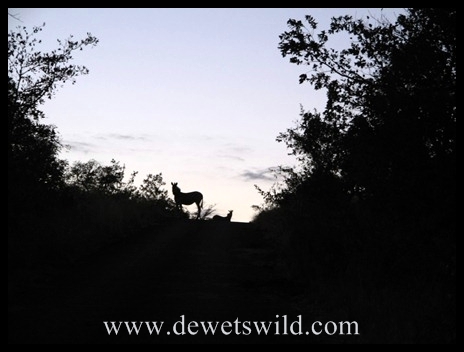
Sunset over Marakele National Park