May ’25 update from Rietvlei Nature Reserve

With May drawing to a close I can reflect on the blessing of more chances to explore our local Rietvlei Nature Reserve with guests interested in learning more about this little piece of paradise right on our capital city’s doorstep. Winter’s definitely starting to bite, and sightings of of reptiles and butterflies are dwindling.

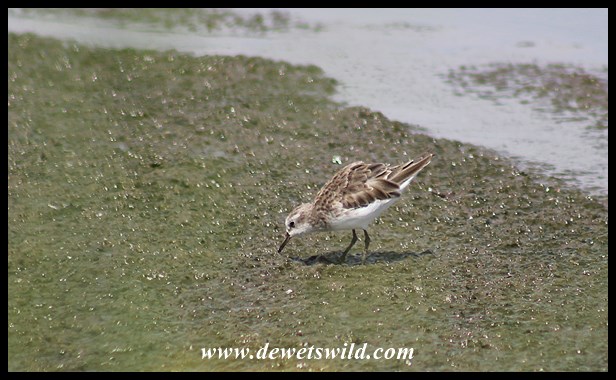
The migrant birds that spend the summer in our part of the world have disappeared, and the resident birds have exchanged their best summer breeding plumage for drabber colouration. Nevertheless, Rietvlei is still an amazing place for bird watchers and I ticked off 96 species in the past month.

With the veld opening up as the grass starts drying the mammal viewing at Rietvlei is definitely getting easier, with the larger herbivorous animals starting to congregate near water and in areas with greener pastures.

If you’d like to join me on a guided tour of Rietvlei – on a hike or on an open vehicle drive – you can book through melanie@rietvleicoffee.co.za / +27(0)74-820-9926.

List of birds seen at Rietvlei Nature Reserve during May 2025:

Scientific Afrikaans English
Acridotheres tristis Indiese Spreeu Common Myna
Acrocephalus gracilirostris Kaapse Rietsanger Lesser Swamp Warbler
Afrotis afraoides Witvlerkkorhaan Northern Black Korhaan
Alopochen aegyptiaca Kolgans Egyptian Goose
Amandava subflava Rooiassie Orange-breasted Waxbill
Amblyospiza albifrons Dikbekwewer Thick-billed Weaver
Anas erythrorhyncha Rooibekeend Red-billed Teal
Anas sparsa Swarteend African Black Duck
Anas undulata Geelbekeend Yellow-billed Duck
Anhinga rufa Slanghalsvoel African Darter
Anthus cinnamomeus Gewone Koester African Pipit
Ardea melanocephala Swartkopreier Black-headed Heron
Ardea purpurea Rooireier Purple Heron
Bostrychia hagedash Hadeda Hadeda Ibis
Bubulcus ibis Veereier Western Cattle Egret
Burhinus capensis Gewone Dikkop Spotted Thick-knee
Butorides striata Groenrugreier Green-backed Heron
Campethera bennettii Bennettse speg Bennett’s Woodpecker
Cecropis cucullata Grootstreepswael Greater Striped Swallow
Centropus burchellii Gewone Vleiloerie Burchell’s Coucal
Ceryle rudis Bontvisvanger Pied Kingfisher
Chroicocephalus cirrocephalus Gryskopmeeu Grey-headed Gull
Circaetus pectoralis Swartborsslangarend Black-chested Snake Eagle
Cisticola juncidis Landeryklopkloppie Zitting Cisticola
Cisticola tinniens Vleitinktinkie Levaillant’s Cisticola
Colius striatus Gevlekte Muisvoel Speckled Mousebird
Corvus albus Witborskraai Pied Cow
Corythornis cristatus Kuifkopvisvanger Malachite Kingfisher
Crinifer concolor Kwevoel Grey Go-Away Bird
Crithagra gularis Streepkopkanarie Streaky-headed Seedeater
Curruca subcoerulea Bosveldtjeriktik Chestnut-vented Warbler
Dessonornis caffer Gewone Janfrederik Cape Robin-Chat
Dicrurus adsimilis Mikstertbyvanger Fork-tailed Drongo
Elanus caeruleus Blouvalk Black-winged Kite
Estrilda astrild Rooibeksysie Common Waxbill
Euplectes ardens Rooikeelflap Red-collared Widowbird
Euplectes orix Rooivink Southern Red Bishop
Euplectes progne Langstertflap Longtailed Widowbird
Falco biarmicus Edelvalk Lanner Falcon
Fulica cristata Bleshoender Red-knobbed Coot
Gallinago nigripennis Afrikaanse Snip African Snipe
Gallinula chloropus Grootwaterhoender Common Moorhen
Hirundo rustica Europese Swael Barn Swallow
Icthyophaga vocifer Visarend Fish Eagle
Indicator minor Kleinheuningwyser Lesser Honeyguide
Jynx ruficollis Draaihals Red-throated Wryneck
Lamprotornis bicolor Witgatspreeu Pied Starling
Lamprotornis nitens Kleinglansspreeu Cape Glossy Starling
Laniarius atrococcineus Rooiborslaksman Crimson-breasted Shrike
Laniarius ferrugineus Suidelike Waterfiskaal Southern Boubou
Lanius collaris Fiskaallaksman Common Fiscal
Lophoceros nasutus Grysneushoringvoel African Grey Hornbill
Macronyx capensis Oranjekeel Kalkoentjie Cape Longclaw
Microcarbo africanus Rietduiker Reed Cormorant
Micronisus gabar Kleinsingvalk Gabar Goshawk
Motacilla capensis Gewone Kwikkie Cape Wagtail
Netta erythrophthalma Bruineend Southern Pochard
Numida meleagris Gewone Tarentaal Helmeted Guineafowl
Passer diffusus Gryskopmossie Southern Grey-headed Sparrow
Passer melanurus Gewone Mossie Cape Sparrow
Phalacrocorax lucidus Witborsduiker White-breasted Cormorant
Phoeniculus purpureus Rooibekkakelaar Green Wood-hoopoe
Platalea alba Lepelaar African Spoonbill
Plectropterus gambensis Wildemakou Spur-winged Goose
Ploceus capensis Kaapse Wewer Cape Weaver
Ploceus velatus Swartkeelgeelvink Southern Masked Weaver
Porphyrio madagascariensis Grootkoningriethaan African Swamphen
Prinia flavicans Swartbandlangstertjie Black-chested Prinia
Prinia subflava Bruinsylangstertjie Tawny-flanked Prinia
Psittacula krameri Ringnekparkiet Rose-ringed Parakeet
Pternistis swainsonii Bosveldfisant Swainson’s Spurfowl
Pycnonotus tricolor Swartoogtiptol Dark-capped Bulbul
Riparia paludicola Afrikaanse Oewerswael Brown-throated Martin
Saxicola torquatus Gewone Bontrokkie African Stonechat
Scleroptila gutturalis Kalaharipatrys Orange River Francolin
Scleroptila levaillantii Rooivlerkpatrys Red-winged Francolin
Sigelus silens Fiskaalvlieevanger Fiscal Flycatcher
Spatula hottentota Gevlekte Eend Blue-billed Teal
Sphenoeacus afer Grasvoel Cape Grassbird
Spilopelia senegalensis Rooiborsduifie Laughing Dove
Streptopelia capicola Gewone Tortelduif Cape Turtle Dove
Streptopelia semitorquata Grootringduif Red-eyed Dove
Struthio camelus Volstruis Common Ostrich
Tachybaptus ruficollis Kleindobbertjie Little Grebe
Tadorna cana Kopereend South African Shelduck
Tchagra australis Rooivlerktjagra Brown-crowned Tchagra
Telophorus zeylonus Bokmakierie Bokmakierie
Threskiornis aethiopicus Skoorsteenveer African Sacred Ibis
Trachyphonus vaillantii Kuifkophoutkapper Crested Barbet
Turdoides jardineii Pylvlekkatlagter Arrow-marked Babbler
Turdus smithi Geelbeklyster Karoo Thrush
Urocolius indicus Rooiwangmuisvoel Red-faced Mousebird
Vanellus armatus Bontkiewiet Blacksmith Lapwing
Vanellus coronatus Kroonkiewiet Crowned Lapwing
Vanellus senegallus Lelkiewiet Wattled Lapwing
Zosterops virens Kaapse Glasogie Cape White-eye

List of mammals seen at Rietvlei Nature Reserve during May 2025:

Scientific Afrikaans English
Alcelaphus buselaphus Rooihartbees Red Hartebeest
Canis mesomelas Rooijakkals Black-backed Jackal
Ceratotherium simum Witrenoster White Rhinoceros
Connochaetes gnou Swartwildebees Black Wildebeest
Cynictis penicillata Witkwasmuishond Yellow Mongoose
Damaliscus pygargus Blesbok Blesbuck
Equus quagga Bontsebra Plains Zebra
Hippopotamus amphibius Seekoei Hippopotamus
Kobus ellipsyprymnus Waterbok Waterbuck
Leptailurus serval Tierboskat Serval
Suricata suricatta Meerkat Suricate
Syncerus caffer Buffel Cape Buffalo
Taurotragus oryx Eland Eland

Long-winged Orange Acraea

Acraea (Hyalites) alalonga

The Long-winged Orange Acraea has a limited distribution, being found only on the Drakensberg escarpment and its foothills from Limpopo to northern Kwazulu-Natal. They inhabit montane grasslands. Adults are seen specifically only in two periods of the year; November to January, and again March to May, and have a wingspan of around 6-7cm. The larvae feed on the leaves of plants from the legume family.

Giant Waterbug

Family Belostomatidae

The Giant Waterbugs – the South African species, of which there are 7, grow up to 9cm long! – are fierce insect predators that inhabit well vegetated ponds, marshes and slow-flowing streams. These insects store air in a chamber underneath their wings allowing them to stay submerged while hunting for prey. They’ll catch and devour anything that they can overpower, including insects, tadpoles, frogs and fish. The adults are strong fliers and often attracted to outside lights. In five of the local species the male carries the eggs on his back until the larvae hatch, which is why they’re also called Brooding Waterbugs, while the remaining two species simply attach their eggs to vegetation.

Orange River Francolin

Scleroptila gutturalis

The Orange River Francolin is a ground-living bird that inhabits open, flat and often arid grasslands, where it feeds on a wide range of plant material and invertebrates. In South Africa their distribution centres on Gauteng, the Free State and North West, extending marginally into adjacent provinces. On the African continent there’s two widely separated populations, one in Southern Africa and the other in North-East Africa, which are considered by some authorities to be separate species entirely. According to the IUCN the species is of least concern, though agricultural practices may have a severely negative impact on populations in farming areas.

Orange River Francolins are shy birds and difficult to observe, although their loud crowing often gives away their presence. They’re usually seen in pairs – they’re monogamous and territorial – or in small family groups. These francolins may nest at any time of year in response to rainfall, with the female incubating a clutch of up to 8 eggs in a little hollow she scrapes in the ground surrounded by dense grass. The hatchlings emerge after a 3 week incubation and leave the nest soon after. They grow quickly and start making practice flights even before they’re 2 weeks old! Fully grown they measure about 34cm in length and weigh approximately 400g.

Join us on our 2025 Sweni Wilderness Photographic Safari!

Elevate your photography skills in the African wilderness! Join our expert-led 2025 Sweni Wilderness Photo-safari and Workshop for unique opportunities to capture stunning images. Technical guidance, unique access, and unforgettable experiences await serious wildlife photography hobbyists!

Puku

Today, on Endangered Species Day, we feature another African mammal that isn’t indigenous to South Africa.

Kobus vardonii

The Puku is a medium-sized antelope, with rams standing about 90cm tall at the shoulder and weighing around 75kg. The ewes are considerably smaller. They’re particularly picky about their habitat, always having to be within easy reach of water and preferring the limited areas of grassland wedged between rivers or marshes and the surrounding woodland on higher ground. Pukus are almost exclusively grazing animals and they’re most active at dawn and dusk.

Puku ewes and their lambs live in rather unstable herds numbering up to 50, though usually much smaller, passing through the territories of mature rams which try to keep the herd in his area so he may mate with any receptive females. Rams that aren’t able to compete for territory come together in bachelor herds. Ewes give birth to a single lamb at any time of year, with a peak during the drier months, after an 8 month gestation.

Given a clearly declining and fragmented population the IUCN considers the Puku to be near threatened. The population on the Chobe river floodplain, confined to Botswana’s Chobe National Park, likely numbers less than 200. It was therefore a real thrill for me to see wild Puku on a visit there in 2024, during which these pictures were taken. They’re also found in pockets of Angola, Zambia, the DRC, Malawi and Tanzania.


Gabar Goshawk

Micronisus (Melierax) gabar

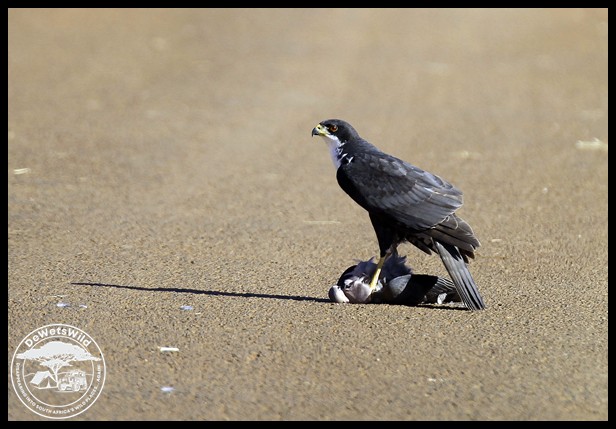
The Gabar Goshawk is a raptorial bird that live in open woodlands, especially where Vachellia thorn trees dominate the vegetation. Small birds make up the bulk of their diet, though they will also occasionally catch rodents, reptiles and large insects.

Like many other birds of prey adult Gabar Goshawks are usually bonded in monogamous, territorial pairs. They normally nest from mid-winter to early summer. During this time the female takes about a month to build the stick-platform nest in a large tree before laying her clutch of 2-4 eggs. She also does most of the incubation duty, which takes about 5 weeks, and then stays with the hatchlings for around 3 weeks while the male brings food to the family. The chicks eventually leave the nest at about 5 to 6 weeks of age but remain dependent on their parents for at least another month thereafter.

According to the IUCN, the Gabar Goshawk is of least concern. They occur widely over sub-Saharan Africa and in our country occurs in parts of every province.

Giant Mantis

Sphodromantis gastrica

The Giant Mantis, also known as the African Mantis or the Common Green Mantis, is an imposing insect, growing to up to 7cm in length. It is a very common mantid species and occurs in practically every corner of South Africa, being as at home in our gardens as it is in more natural surroundings. They are excellent ambush hunters and feed on invertebrates – they are especially fond of caterpillars – but occasionally even bigger prey, like small frogs and geckos, gets their attention.

As in many other kinds of praying mantis the males of the Giant Mantis may be unlucky enough to be eaten by the female, starting at his head, during or after copulation! The female deposits as many as 100 eggs in a soft cocoon-like egg case, with the babies then hatching at the onset of the spring season. There is no parental care whatsoever and the hatchlings disperse quickly to avoid being cannibalised by their parent or siblings. If they make it to adulthood they may live to about a year old. Females are much more plump than males.

Southern Pied Babbler

Turdoides bicolor

Southern Pied Babblers inhabit drier savanna woodland and thornveld habitats, subsisting on a diet of insects and other arthropods supplemented by small invertebrates like geckos, lizards and frogs, and apparently do not have any requirement for surface water to drink. They usually forage in groups of 3 to 15, often alongside other kinds of birds, taking turns to keep watch for danger. They also breed cooperatively, usually during spring and summer, with all group members helping to build the nest and feed the clutch of up to 5 hatchlings that hatch after two weeks of incubation. While the chicks fledge before they’re 3 weeks old they will be provided food by other group members until they’re about two-and-a-half months old.

The Southern Pied Babbler occurs only in Namibia, Botswana, south-western Zimbabwe and South Africa (Limpopo, Gauteng, North West and the Northern Cape). According to the IUCN it is considered to be of least concern, despite a declining population.

Serval

Serval

Leptailurus serval

The long-legged Serval is a wild cat that inhabits areas with long grass, usually near water, marshes and reedbeds. They feed mainly on rodents but will prey on anything from insects to birds, reptiles, amphibians and mammals up to the size of small antelope. Servals mostly hunt on the ground, leaping spectacularly – up to 3m high and 4m long – to stun their prey from above, being successful in about 50% of their attempted hunts and killing on average 16 animals per day.

Servals weigh about 10kg and stand around 55cm high at the shoulder. Males are slightly larger than females.

Like most felids Servals are active from dusk to dawn, taking refuge in dense vegetation, holes, among boulders and even occasionally up in trees during the day. They’re usually seen alone unless when a pair is mating or when a female moves around with her kittens. The extent to which both males and females are territorial is not clearly understood. Servals are quite fast over short distances and given their preferred habitat it is probably no surprise that they’re good swimmers as well. Females give birth to up to 3 kittens after a 2.5 month gestation, their births coinciding with periods during which rodent numbers are likely to peak. The kittens may stay with their mother for up to a year though they can hunt for themselves from about 6 months of age. They may live to 19 years of age though about 12 years is more usual in the wild.

In South Africa the Serval occurs widely in all provinces except the Eastern, Northern and Western Cape, where they are spotted only occasionally following reintroduction programmes and natural range expansion. While it is considered near-threatened in South Africa, mainly due to habitat loss, the IUCN lists the Serval overall as of least concern, being found over most of sub-Saharan Africa with the exception of the tropical rain forests and the arid Kalahari and Namib deserts. An isolated population in Morocco however is considered to be endangered.