The Addo Elephant National Park is one of South Africa’s most visited wild places, and not without reason. The Park has a wealth of habitats and a wonderful array of wildlife, not least of which is the elephants that were the original reason for Addo’s proclamation. Furthermore it is such an easy destination to visit, with an excellent network of roads, conveniences like a shop and restaurant, and comfortable accommodation options for visitors.
During our visit earlier in January I posted a few photographs on a daily basis to give those following along on our travels a glimpse of what we were experiencing. Let’s start this recap with those.

Baby Elephant walking away with mom

Spekboom blossoms

Lots of activity at Rooidam

Bokmakierie

Elephant Bull

How’s the weather up there?

Warthog

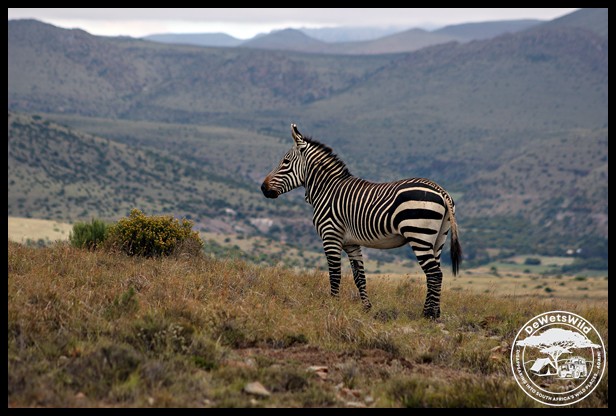
Plains Zebra stallion

Black-backed Jackal

Cape Sparrows

Hyenas occupying a stretch of mud at Hapoor Dam

Buffaloes drinking at Hapoor

Black-backed Jackal

Red Hartebeest

Warthog

Elephant Bull

Elephant Bulls

Elephant Cows begging for a chance at the waterhole

Elephants enjoying the water and mud

Elephant youngster

Elephant rough-and-tumble

Zuurkop viewpoint

Spotted Hyena portrait

Plains Zebras

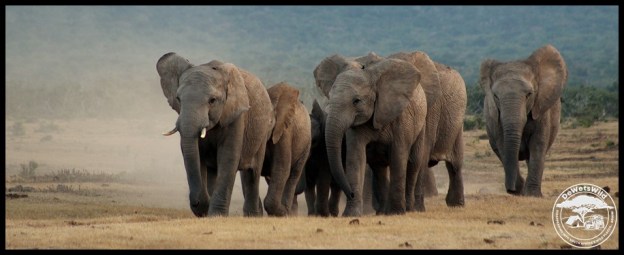
Elephant herd in a rush to water

Scrub Hare

Ndlovu Valley view

Juvenile Pale Chanting Goshawk

Elephant Bull at Hapoor Dam

Cattle Egrets

Buffaloes

Three little warthogs and an Elephant

Spotted Hyena

Ludwig’s Bustard

Black-backed Jackal

Warthog

Yellow Mongoose

The tip of an elephant’s trunk

Meerkats

Kudu bull

Common Duiker

Bushbuck
There’s no denying that Addo’s Elephants are the stars of the show – rightly so, considering how close the population were to being wiped out when the Park was proclaimed – but national parks like Addo conserve so much more than just the big, charismatic African fauna. Addo is richly endowed with various kinds of smaller, often less noticeable, plants and wildlife, and visitors who take care to look for them will find their visits endless enriched.

Wild Asparagus in bloom

Spekboom blooming

Bush Karoo Rat

Addo Flightless Dung Beetle

Brown-veined White butterflies congregating on wet dung

Bush Karoo Rat female with young

Tasman’s Girdled Lizard

Buquet’s Vagrant

Karoo Boer-bean

Crassula perforata

Snake Plant blooming

Robber Fly

Angulate Tortoise
Addo is also a haven for a wide variety of birds – we managed to identify 81 species during our four day visit.

Immature Fiscal Flycatcher

Red-necked Spurfowl

Red-necked Spurfowl

Malachite Sunbird

Black-headed Heron

Cattle Egret

Karoo Scrub-Robin

Black-crowned Night Heron

Black-crowned Night Heron chick

African Spoonbill

Southern Boubou

Speckled Mousebird

Red-faced Mousebird

Forest Buzzard

Fiscal Shrike

Ant-eating Chat

Cape Crow

Pied Crow

Pale Chanting Goshawk

Southern Black Korhaan male

Helmeted Guineafowl

Bokmakierie

Red-billed Oxpeckers

Male Ostrich

Streaky-headed Seed-eater

Ludwig’s Bustard

Ludwig’s Bustard

Red-knobbed Coot chicks at the nest

Brimstone Canary

Female Southern Double-collared Sunbird

Cardinal Woodpecker (photo by Joubert)

Common Buzzard

Common Buzzard (photo by Joubert)

Common Buzzard (photo by Joubert)

Red-capped Lark (photo by Joubert)
Of course a national park on this continent will never grow famous if it isn’t home to a wide variety of charismatic mammals, and here Addo certainly ranks among the best of the best. Lions, hyenas, jackals, zebras, antelope, buffaloes and warthogs can pop out around any corner and are usually quite comfortable around humans in their vehicles, making for great photographic opportunities.

Plains Zebra

Plains Zebra smile

Plains Zebras

Warthog

Kudu bull in thick bush

Spotted Hyena

Spotted Hyena

Black-backed Jackals

Plains Zebra foal

Buffaloes

Plains Zebra stallion

This warthog family almost ran straight into the jackal!

Warthog babies

Spotted Hyena

Black-backed Jackal

Black-backed Jackal

Lions on a distant hillside
And then, of course, there’s the elephants. Addo’s elephants are more relaxed than most other populations in the country and, if you are as enthralled with these beautiful animals as we are, you will enjoy the many up-close encounters Addo delivers with the giant pachyderms.

Elephants playing in the water

Elephant calf

Tiny Elephant calf

Elephant bull taking a drink of water

Two elephant bulls greeting each other

Elephant cows in Addo seldom have well developed tusks

Elephant cow and calf

Elephant herd in a rush to the waterhole

Close-up detail of an elephant’s tail

Elephant feeding on a Plumbago
DeWetsWild is proud to be a contracted reservations agent for the Addo Elephant National Park, so whether you’d like us to assist you with a reservation to visit on your own or would like us to include the Park in a guided tour arranged specifically for you, please don’t hesitate to reach out!















 DeWetsWild