DeWetsWild conducted a two-week tour of the Kruger National Park with altogether nine people to see out 2025 and ring in 2026 and every day for the month of February I’ll be sharing just a few of the many memories our group collected.
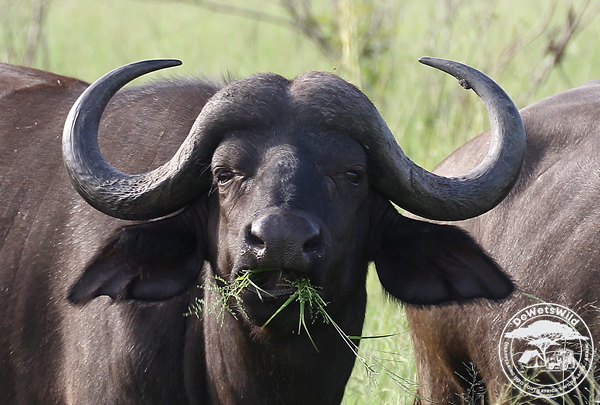
When they’re so docilely chewing their mouthfuls of lush summer grass it is easy to forget just how dangerous our African buffaloes are – that is until they give you “the eye”!
Buffaloes grazing
Buffaloes grazing
Buffaloes grazing
Buffaloes grazing
If you’d like to join me on a guided tour of South Africa’s wild places, of even if you’d just like a bit of help putting your reservations together, don’t hesitate to reach out!
DeWetsWild conducted a two-week tour of the Kruger National Park with altogether nine people to see out 2025 and ring in 2026 and every day for the month of February I’ll be sharing just a few of the many memories our group collected.
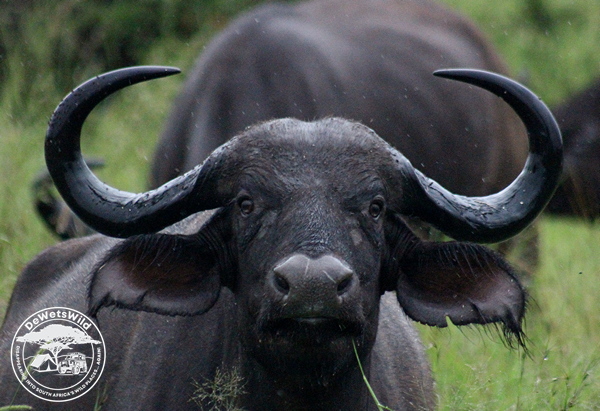
We didn’t get to see many buffalo during the trip, despite them being among the mammals with the highest population in the Park. This was probably as a result of the good rainfall the Park was receiving, leading to a flush of green grass and easily accessible water in areas well away from the tourist roads. It was actually during a downpour that we found a small herd just south of Satara. One of the cows in the group was noticeably nervous and on high alert, and while we never could figure out why she was so highly strung it was clear she wasn’t to be messed with!
Very alert buffalo cow near Satara
Very alert buffalo cow near Satara
If you’d like to join me on a guided tour of South Africa’s wild places, of even if you’d just like a bit of help putting your reservations together, don’t hesitate to reach out!
The Manyeleti Game Reserve has a large population of buffaloes and we encountered several enormous herds of these bulky bovines while exploring the reserve on our recent Manyeleti Magic photographic safari. Being able to venture so close to animals this intimidating is always a thrilling affair.
One buffalo from a herd several hundred strong
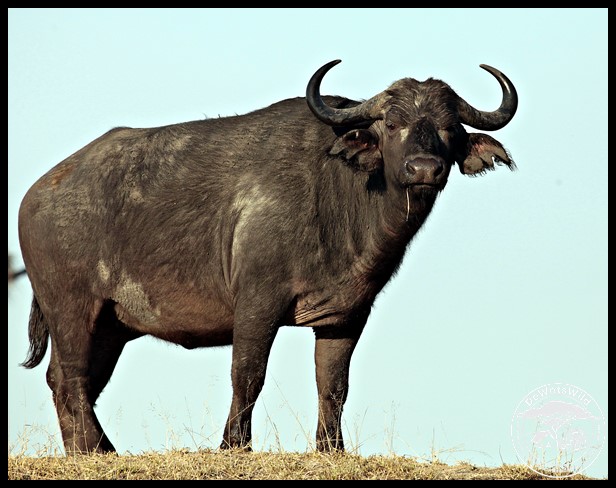
A Buffalo standing on a dam wall gives an unusual perspective
A Buffalo standing on a dam wall gives an unusual perspective
A Buffalo standing on a dam wall gives an unusual perspective
A Buffalo standing on a dam wall gives an unusual perspective
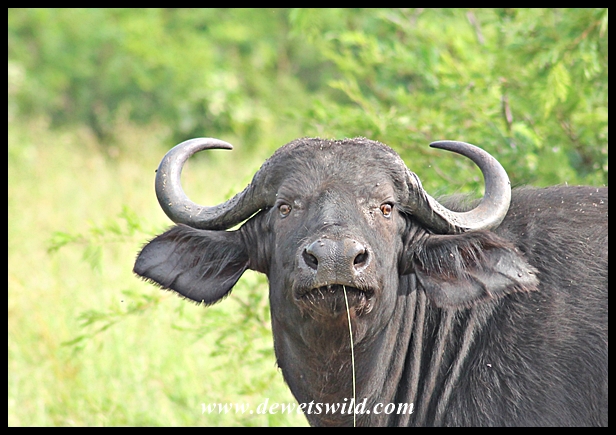
Buffalo taking a little longer to chew this prickly grasshead
Buffalo taking a little longer to chew this prickly grasshead
Old Buffalo bull
Buffalo cow with interesting headdress
Buffalo calf
Alert Buffalo bull
Buffalo cow
Young Buffalo bull
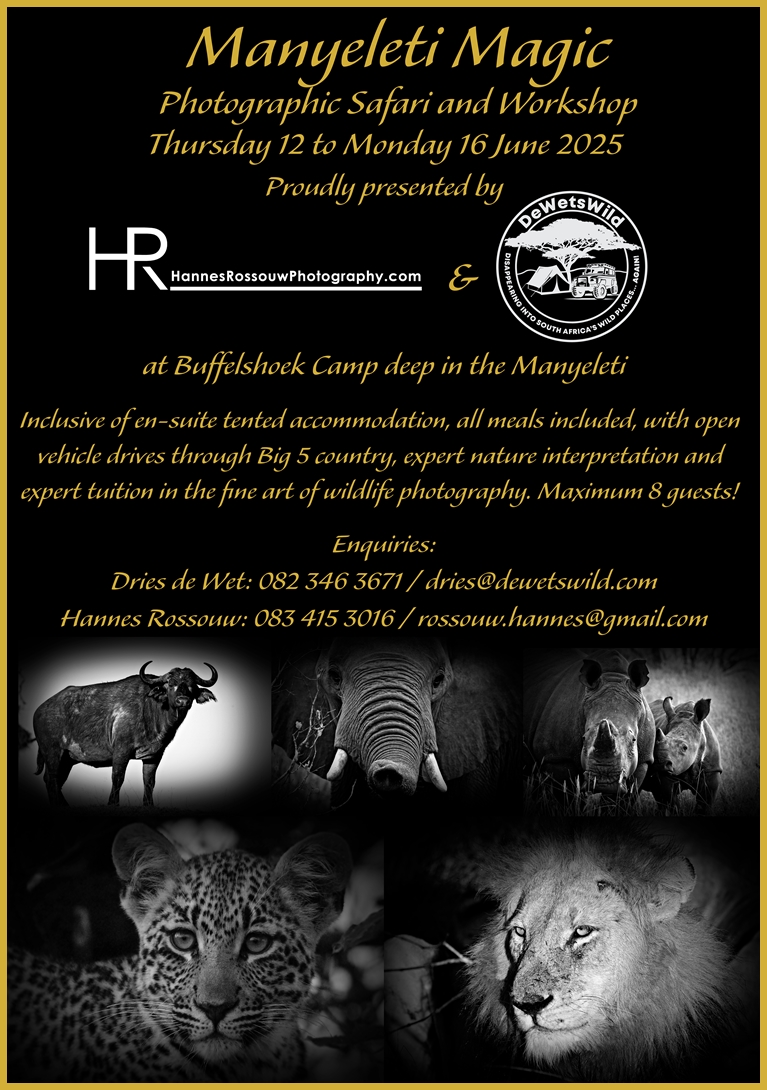
We’re already taking bookings for our 2025 Manyeleti Magic Photographic Safari and Workshop, to be conducted out of Buffelshoek Camp again in June of next year in conjunction with Hannes Rossouw Photography. Contact us if you’d like to join this one, or if you and a group of family and friends are keen to do something similar on other dates we’d be very glad to accommodate you!
The pugnacious African buffalo, Africa’s only extant species of wild cattle, is a worthy member of the elite “Big-5” group of animals. Though they can appear very docile, buffalo are extremely dangerous, especially when threatened or wounded; they’ve even been known to circle back around hunters tracking them to launch unexpected attacks on their persecutors from behind.
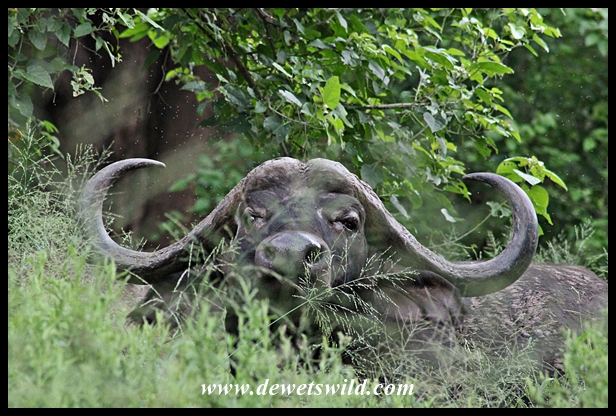
You wouldn’t want to find yourself on foot in thick vegetation like this when buffalo are around…
These bulky animals weigh in between 500 and 900kg, with adult bulls being much larger than the cows.
Buffalo cow
Buffalo bull
African Buffalo
African Buffalo
Buffaloes always look ready for a fight!
Buffaloes always look ready for a fight!
One angry African Buffalo bull
African Buffalo
African Buffalo
African Buffalo
African Buffalo
African Buffalo
African Buffalo
Old buffalo bull
Buffalo, seemingly not enjoying the grass…
Buffalo bull
Buffalo
Buffalo horn
Buffalo with an itch
Buffalo
Buffalo cow
African buffalo (photo by Joubert)
Cantankerous Buffalo bull
Iconic Mokala: Buffalo, thorny savanna and low hills
African buffalo inhabit a wide range of habitats, ranging from open grassy plains to dense rainforest, their most important requirements being an ample supply of fresh grazing, regular access to drinking water, and cover in which to evade (or ambush) predators.
Buffalo Bull (photo by Joubert)
Buffalo bull in typical habitat
Powerful Buffalo Bulls
Buffalo herd on the plains north of the Sabie
Muddy Buffalo Cow (photo by Joubert)
Buffalo fight! (photo by Joubert)
Buffaloes drinking at Nsemani Dam
Buffaloes at a waterhole
Big herd of Buffalo at Nsemani Dam
Cantankerous old buffalo bull
Buffalo bull
Two very intimidating Buffalo bulls
Buffalo bull
Buffalo cow
Big old buffalo
Buffalo road block
African buffalo
Buffalo bull (photo by Joubert)
Buffalo bull
Buffalo bull
Buffalo bull (photo by Joubert)
Buffalo bull (photo by Joubert)
Buffalo bull in Marakele National Park
Buffalo bull (photo by Joubert)
Buffaloes on the move
Portrait of a buffalo cow.
Resting buffaloes
Thirsty buffalo calf
This buffalo bull watched us walking nervously between our vehicle and the Island View hide
Buffalo calf
Buffalo family
Buffalo calf
Buffalo bull
Buffalo bull
Buffalo cows and calf
Buffalo cow
Buffalo bull
Buffalo bull
Buffalo bull
Buffalo are gregarious animals, congregating in herds that may number into the thousands. Encountering one of these huge herds is among Africa’s most memorable experiences.
Buffalo herd
Buffalo calf
Buffalo herd
Buffalo herd
Buffalo herd
Buffalo herd
Buffalo herd
Herd enjoying a mud spa
Coming to water along the Tsendze
Buffalo
Buffalo
Buffaloes
Buffalo cow without her horns
Sleepy buffalo and red-billed oxpecker
Buffalo Quartet
African buffalo
Buffalo bull
Buffalo cow
Buffaloes next to the Sabie River
Buffalo
African buffalo
African buffalo
A herd of African Buffaloes coming to drink
African Buffalo
Buffalo Bull
Buffalo Bull
Buffalo in the wetland
African Buffalo
African Buffalo
One buffalo from a herd several hundred strong
A Buffalo standing on a dam wall gives an unusual perspective
Buffalo taking a little longer to chew this prickly grasshead
Old Buffalo bull
Old bulls that cannot keep up with the breeding herds become loners or join “bachelor” groups. It is these old “dagga boys” that have the worse reputation of being overly aggressive and extremely dangerous, probably due to being easier targets for hunters and predators than members of the well-protected herds where there’s safety in numbers.
Buffalo bull
Buffalo bull
Buffalo bull
Buffalo bull
Marching buffalo bulls
Buffalo facing the rising sun
Buffalo crossing the H4-1
Buffalo bull
Buffalo looking for fresh grass on the side of the road
Buffalo
Buffalo bull
Buffalo with malformed horns
Buffalo
Buffalo
What a buffalo looks like just before he charges!
Buffalo Wallow at Dries se Gat, Mokala National Park
Buffalo Wallow at Dries se Gat, Mokala National Park
Buffalo Wallow at Dries se Gat, Mokala National Park
Buffalo Wallow at Dries se Gat, Mokala National Park
Buffalo Wallow at Dries se Gat, Mokala National Park
Buffalo Wallow at Dries se Gat, Mokala National Park
Buffalo Wallow at Dries se Gat, Mokala National Park
Buffalo Bull
Mad old buffalo bull
Big old buffalo bull
Buffalo calf on the run (Photo by Joubert)
Buffalo cow (Photo by Joubert)
Calves are normally born during the rainy season, and can keep up with their maternal herds within hours of birth. Buffalo of all ages are a favourite prey of lions, and large herds are often followed by prides of lion that specialise in taking down these powerful animals, despite the good chance that they’ll pay with their lives for their boldness. Buffalo are also susceptible to a wide range of diseases and parasites, and have a natural life expectancy of between 15 and 30 years.
Young buffalo bull
Buffalo cow
Young buffalo bull
Young buffalo bull
Buffalo calf
Buffalo
Enjoying the first rays of sun on a cold morning
Irritated young buffalo
Trio of buffalo bulls
Buffalo roadblock
Buffalo roadblock
Buffalo in the rain
Buffalo near Mopani
Buffalo Wallow at Dries se Gat, Mokala National Park
Buffalo Wallow at Dries se Gat, Mokala National Park
Buffalo Wallow at Dries se Gat, Mokala National Park
Buffalo Wallow at Dries se Gat, Mokala National Park
Buffalo Wallow at Dries se Gat, Mokala National Park