
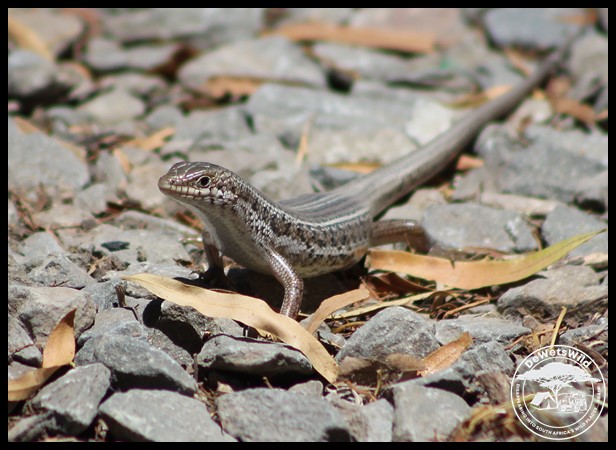
Trachylepis capensis
The Cape Skink inhabits a wide range of habitats and occurs in all South Africa’s provinces, in Namibia, Lesotho and parts of Eswatini, Zimbabwe and Botswana, and the IUCN considers the species to be of least concern. Sadly they suffer badly in urban areas due to predation by domestic cats. They tame easily and are quite gentle. These lizards are diurnal and hunt for insects in open patches. Females give birth to up to 18 live babies, usually in the summer months. Fully grown, and not including the tail, they may reach a length of 13cm.

Cape Skink

Cape Skink

Cape Skink
 DeWetsWild
Hi DeWet, Please note that my email has changed; it is now xxxxxx. Thanks for your emails, as a former Tourist Guide, I really enjoy them, and I admire you pix of all the wildlife! Regards John McCarter
Thank you very much for the encouraging message, John!
I’ve sent you a direct message about your updated email address so that I can attempt to update your subscription.
Lovely photographs – as always 🙂
You’re as kind as always, Anne. Thank you very much.